Can You Install Steel Roofing Sheets Over Existing Tiles?

Oct 6, 2025 | Advice

Steel roofing sheets can be installed over your building’s existing tiles, but only if the roof is structurally sound and the installation is carried out correctly.

This method is called over-sheeting and is used to save time and reduce costs. It can be suitable for agricultural buildings, garages, outbuildings and a range of other property and building types, but it’s not always the right solution. In this article, we’ll explain when over-sheeting works, what to check before starting installations and when it’s better to remove the old roof entirely.


What is Over-Sheeting?

Over-sheeting is the process of installing new roofing sheets over an existing roof without removing the original covering. In the case of steel roofing, this means fixing steel sheets above old tiles using a supporting framework such as a timber batten system or lightweight metal rails. It’s commonly used to extend the life of a roof, reduce installation time and avoid the cost and disruption of a full strip-and-replace job.

When Is Over-Sheeting a Viable Option?

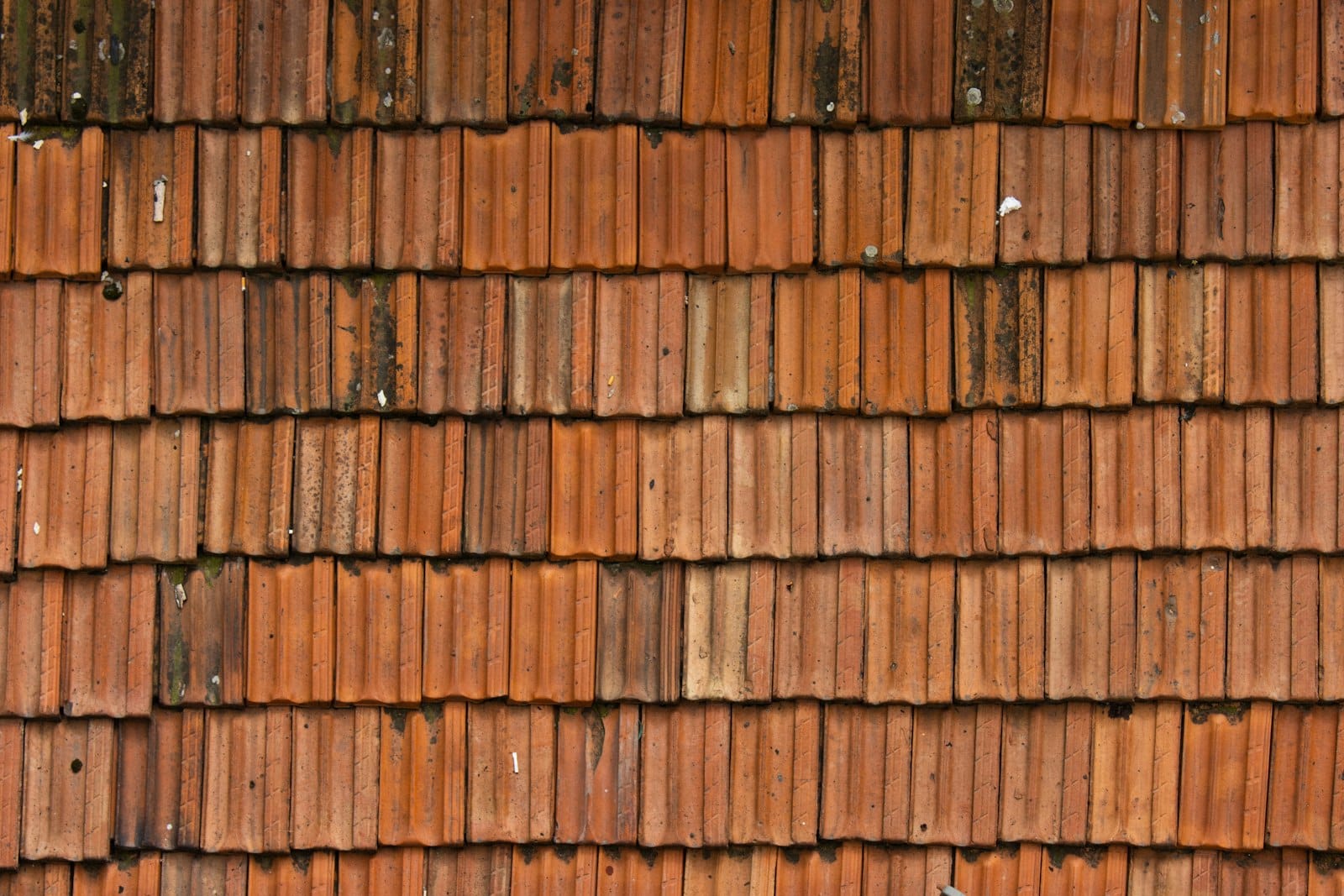
Steel sheets can be fitted over tiled roofs if the tiles are dry, secure and free from damage. The roof structure beneath must be strong enough to support the added weight of steel sheets and any supporting battens or framework.

This approach is common on farms and industrial sites where speed and cost-efficiency are important. It can also work for domestic buildings, but only after a proper assessment.


What Are the Benefits of Installing Over Existing Tiles?

Over-sheeting offers practical advantages for those looking to upgrade a roof without the disruption of a full replacement. By installing steel roofing sheets over existing tiles, you can streamline the process and reduce costs, provided the roof is in suitable condition.

  • It avoids the need to strip and dispose of old tiles
  • It keeps the building covered during installation
  • It can improve insulation by creating an air gap between the layers

These benefits make it a useful option for buildings that need to stay operational during roofing work.


What to Check Before Installing

Before fitting steel sheets over tiles, it’s essential that you carry out the following checks to ensure the roof can safely support the new installation and perform as expected over time:

  • Structural load – Even though steel roofing is lightweight, adding a second layer increases the load. A structural check should confirm that the rafters and purlins can support the extra weight.
  • Tile condition – Tiles must be intact and securely fixed. Cracked, loose or water-damaged tiles can compromise the new roof and lead to future problems.
  • Condensation control – An air gap between the tiles and steel sheets can trap moisture. To prevent condensation, install a breathable membrane or use steel sheets with anti-condensation backing.
  • Fixing method – Steel sheets cannot be fixed directly to tiles. Timber battens or a metal framework must be installed over the tiles, with fixings that reach the structural supports beneath.
  • Roof pitch – Steel roofing requires a minimum pitch to allow water runoff. If the existing roof is too flat, pooling may occur, increasing the risk of leaks.

How to Install Steel Roofing Sheets Over Existing Tiles

Installing steel sheets over tiles requires careful preparation and the right fixings to ensure a secure, long-lasting result. Here’s a step-by-step guide to help you get it right:

  • Start by inspecting the roof to confirm the tiles are secure and the structure is sound. Any loose or broken tiles should be repaired or removed before work begins.
  • Fix treated timber battens or a lightweight metal framework over the tiled surface. These should be anchored into the rafters or purlins, not the tiles themselves, to provide a solid fixing point for the steel sheets.
  • Lay a breathable membrane or anti-condensation barrier over the battens if moisture control is needed. This helps prevent condensation build-up between the tile layer and the steel sheets.
  • Begin sheeting from the eaves and work upwards towards the ridge. This ensures proper water runoff and helps maintain alignment.
  • Lay sheets in the direction of the prevailing wind to reduce the risk of wind-driven rain lifting the overlaps.
  • Secure the sheets using self-drilling tek screws with washers, driving them through the crown of the profile into the battens or framework. Fixings should be spaced according to the sheet profile and span.
  • Fix both ends of each sheet and along the side laps to ensure a tight, weatherproof seal. Use stitch screws or lap tape if recommended by the manufacturer.
  • Pre-drill sheets if necessary, especially when working with multiple layers or thicker profiles, to prevent movement or cracking during installation.

This method allows you to upgrade your roof without removing the existing tiles, provided the structure is suitable and the correct materials are used.


When Should Tiles Be Removed?

In some cases, removing the existing tiles is the better option. This includes roofing projects or situations where:

  • Roofing shows signs of structural damage or sagging
  • Tiles are cracked, loose, deteriorating or otherwise not fully fit for purpose
  • Projects require insulation or vapour barriers directly on the rafters
  • Building regulations demand a full roof replacement

By removing the tiles, you’ll enable a cleaner installation and ensure compliance with safety standards.


Conclusion

Installing steel roofing sheets over existing tiles can be a practical and cost-effective solution, but only when the roof is in good condition and the installation is properly planned. Structural checks, moisture control and correct fixing methods are essential to ensure long-term performance.

If you’re unsure whether your roof is suitable for over-sheeting, speak to a roofing professional or contact our team at Cardinal Steels for advice.

Explore our full range of steel roofing sheets, including anti-condensation options and profiles suited for over-sheeting. Get in touch today to find the right solution for your project.


FAQs

1. Can steel roofing sheets be installed directly onto tiles?

No, steel sheets should not be fixed directly to tiles. A timber batten or metal framework must be installed over the tiles to provide a secure fixing point.

2. What pitch is required for steel roofing sheets?

Most steel profiles require a minimum pitch of 5 degrees to allow proper water runoff and prevent pooling.

3. Is over-sheeting suitable for residential roofs?

It can be, but only after a structural assessment. Over-sheeting is more common on agricultural and industrial buildings where appearance and insulation standards may differ.

4. Will installing steel sheets over tiles cause condensation?

It can if not properly managed. Use a breathable membrane or anti-condensation liner to prevent moisture build-up between the layers.

Get A Great Price On Roof Sheets Delivered Quickly

Roof sheets and z-purlins manufactured and cut to size in the West Midlands, delivered nationwide.

Our Products

Box profile roof sheets

Box Profile Roofing Sheets

Our CS 32/1000 is used in every sector. Box profile steel roofing sheets are available in all finishes and thicknesses.

corrugated roof sheets

Corrugated Roofing Sheets

3″ corrugated steel roofing sheets available in lengths up to 10m. Manufactured on-site in Bromsgrove.

z purlin frame

Z Purlins & C Sections

Steel Z purlins and C sections range from 1.4mm to 2.5mm in thickness. From CS 121 up to CS 265, and cut to length.