
With such a high level of hazards and risks on building sites, it is almost obvious that risk assessments and safety precautions are vital. Not only for a company to keep its workers safe, but also for the overall general public. It should be at the heart of all operations whether that be working at a height, plant handling, machinery, or hazardous substances. Exposure to risk and overall injury within the workplace is high.
According to the Health and Safety Executive, within construction, there were an estimated 74,000 work-related ill health cases between 2018 and 2021. The majority of which result from slips, trips, falls, manual handling, and falls from a height. Furthermore, the industry also sees an average of 41 fatalities a year, with 36 of those being construction workers and five being members of the public.
Research Conducted In 2022
Research conducted by WASP Site Safety has revealed that 92 % of construction workers report safety to be their top consideration in 2022. Following the coronavirus pandemic, the research found that construction workers across the UK are now prioritising site safety and quality, over time and money. This in turn has unveiled the high demand and need for advancements in site safety.
The Co-Found of WASP Site Safety, Tom Skerritt comments “WASP Site Safety was born based on a wealth of concerning industry insights – almost half of UK tradespeople have been seriously injured at work, a figure that’s frankly too high and needs to be dealt with. Our latest research found that 89% of construction workers’ lives would be made easier if they were able to purchase all of their safety equipment in one place. It also unveiled that just under half of the construction workers reported ‘cost’ and a ‘lack of stock’ as the main barriers when sourcing correct safety workwear.”
Survey Analysis
The survey consisted of construction workers of all ages, demographics, and seniority across the UK. It showed that concluded that 62% of business owners and senior managers have invested further into health and safety measures for their business. Additionally, the trend was reportedly here to stay, with a further 28% of owners and managers looking to invest.
Interestingly, 93% of the younger demographic aged between 16-24 year olds considered site safety as an important factor more than costs and turnaround time. However, 91% of the same age range stated they found it difficult to source safety workwear. Alluding to obstacles such as levels of stock (51%), extended delivery times (38%), and expense (36%).
A Managing Director at a leading construction company stated “The fear of getting stung with the wrong safety workwear does take a toll on my business. It’s a constant source of worry, making sure that I’m sending people to sites with the right equipment and workwear.”
Since this research WASP Site Safety has introduced a box that encompasses six of the essential items of safety workwear needed on a site:
- 2x Hi-Vis Vests
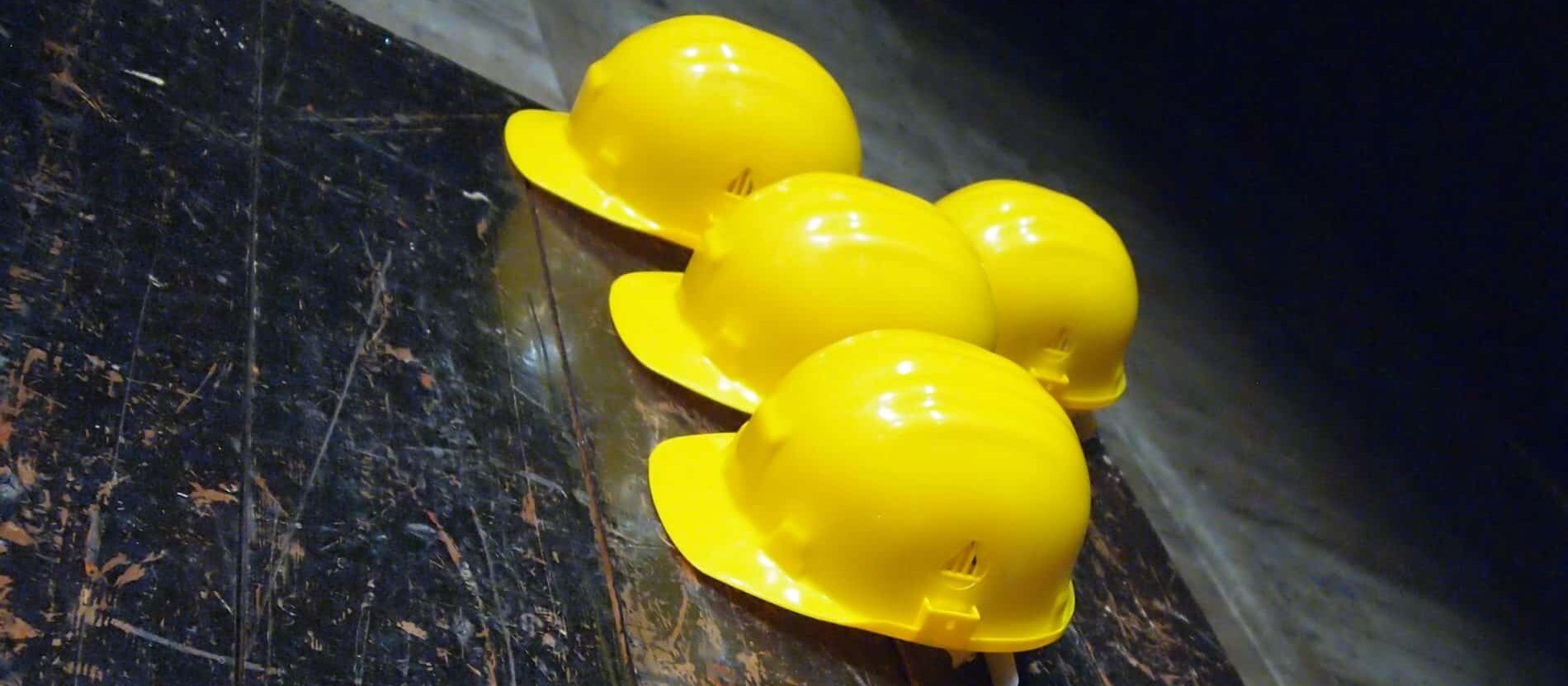
- 1x Safety Helmet
- 1x Safety Glasses
- 1x Cut Level D Safety Gloves
- 1x Ear Defenders
- 1x Ear Plugs
Health And Safety Risks For Roofers
50% of fatalities between 2016 to 2021 were due to falls from a height. The risks at a height are varied and include falls, improved use of tools, weather, trips on wires, and poorly trained staff. It is essential to plan, no matter how long you envisage being on a roof. The Management of Health and Safety at Work Regulations 1992 states you must organise and plan all roof work to ensure it is carried out safely. Cardinal Steels have outlined the top tips and considerations to take when working at a height.
Cardinal Steels
We manufacture and supply steel sheets and roof cladding, across the UK. High-quality corrugated steel roofing sheets and box profile roofing sheets for various sectors including, commercial, residential, agricultural, and industrial. Offering a 30-year guarantee, we have roofing Sheets available from 1m up to 12m in length or make bespoke to the job. Contact our friendly team today to answer all your questions and help you, help your customer and their individual needs.