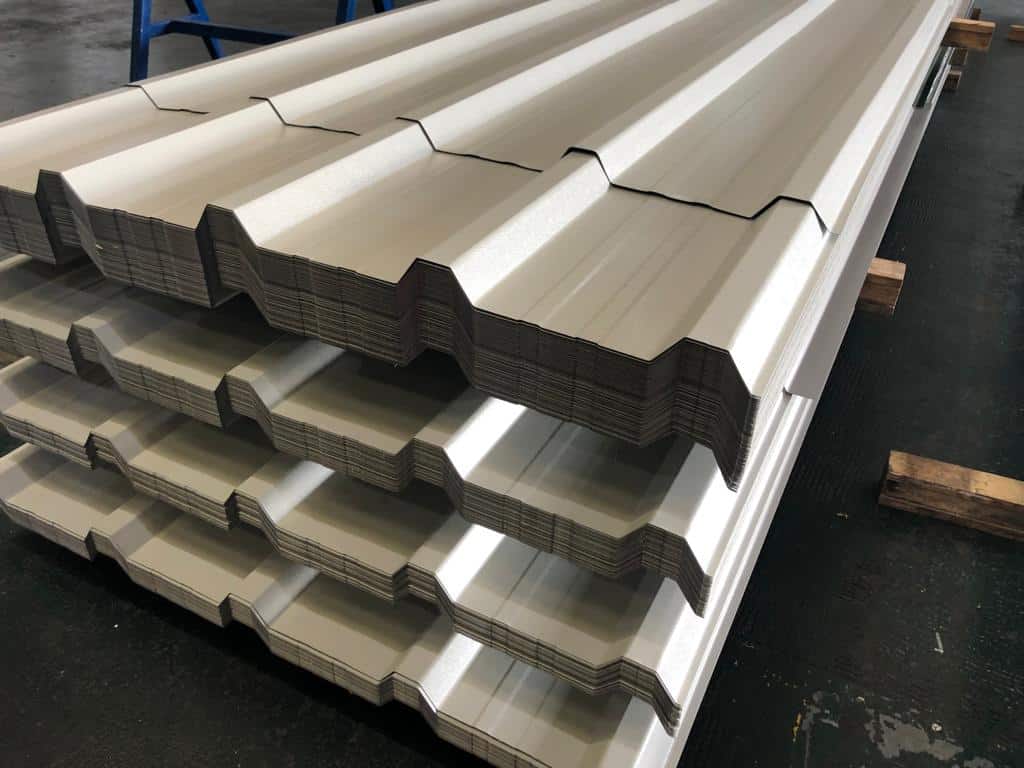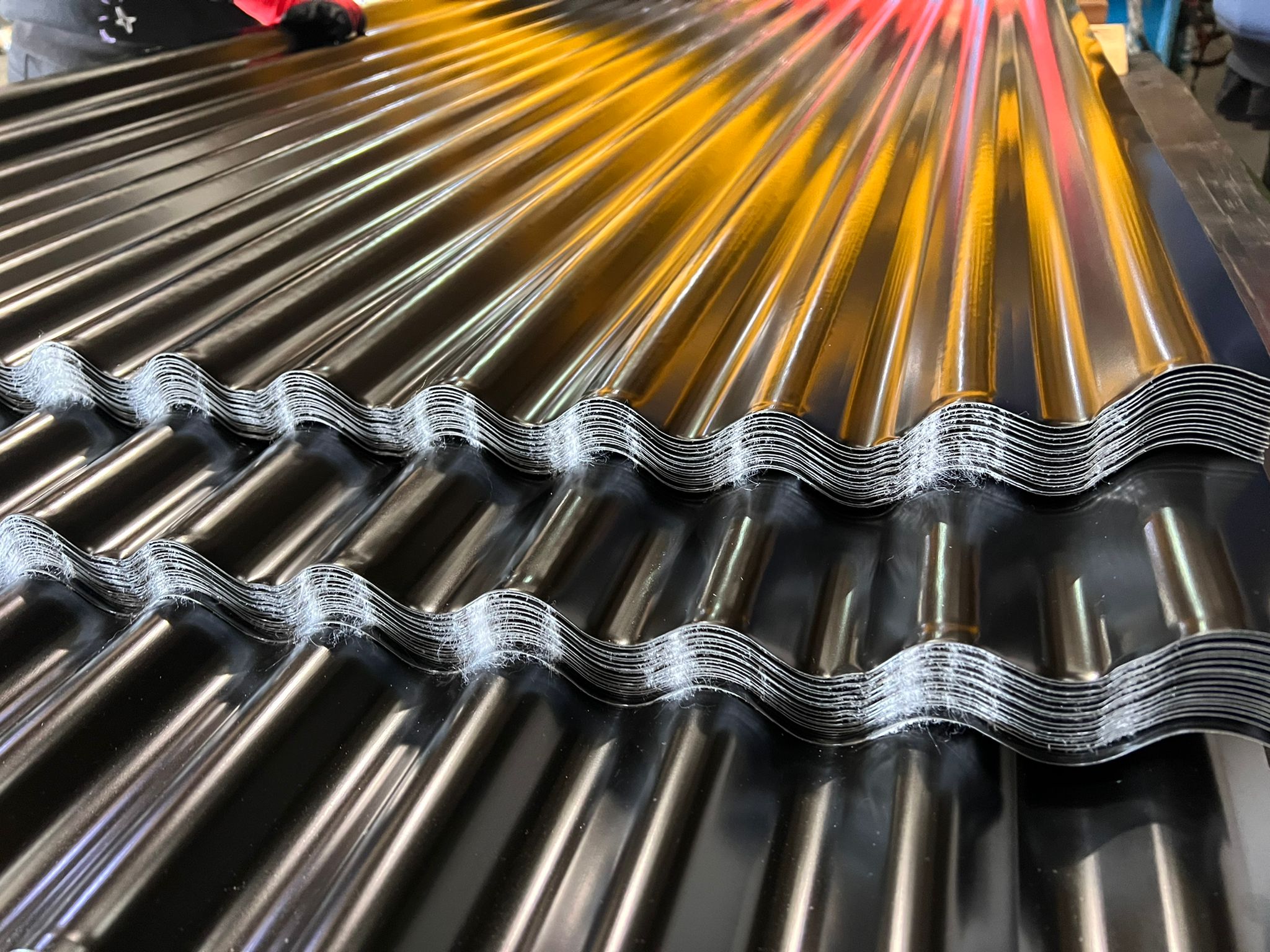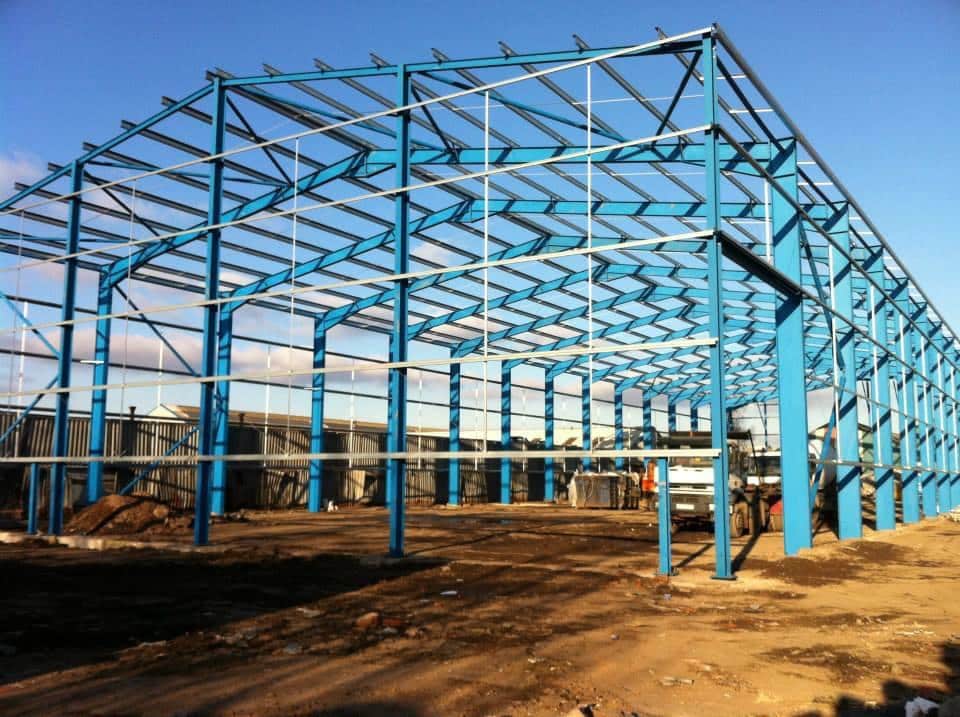
When selecting a metal roof, the sheet profile is only part of the equation. Just as important is the roof finish. The metal roof finishes you choose will determine not only how your building looks, but how long the roof will last, how well it will resist corrosion and how much maintenance it may require.
In this article, we explore some of the most common roof finish types used in the UK today such as galvanised, polyester, plastisol and more, along with their key benefits, limitations and best-use scenarios. Whether you’re a homeowner re-roofing a garage or a contractor cladding a large industrial unit, understanding your roof finish material options will help you make a more informed decision.
Galvanised
Galvanised sheets are made by coating standard steel with a layer of zinc. This zinc layer acts as a sacrificial coating in that it corrodes before the steel does by reacting first when exposed to moisture, thereby protecting the metal beneath and slowing the rusting process. Galvanised sheets are widely used in agriculture, utility buildings and internal linings – essentially in projects where visual appearance isn’t a major concern and where cost is a key factor.
If you’re working on a temporary structure or a sheltered building with minimal exposure to harsh weather, galvanised sheets offer a practical, low-cost solution. However, if you’re in need of longer-lasting protection, a coated finish may be a better investment.
Advantages |
Drawbacks |
|---|---|
|
|
|
|
|
|
|
|
|
Polyester Paint Finish
Polyester-coated sheets build on the protection of galvanised steel by adding a thin, coloured polyester paint layer, typically around 25 microns thick. This improves both corrosion resistance and visual appeal. This finish is well-suited to domestic projects, such as garages, workshops, garden rooms or even small commercial units, where colour matters but budgets are still tight.
Polyester paint finishes are a good middle-ground option between galvanised and PVDF, offering colour and mild durability. However, if the structure is in a high-exposure environment or needs to last more than 15 years, consider stepping up to Plastisol.
Advantages |
Drawbacks |
|---|---|
|
|
|
|
|
|
|
|
|
Plastisol Finish
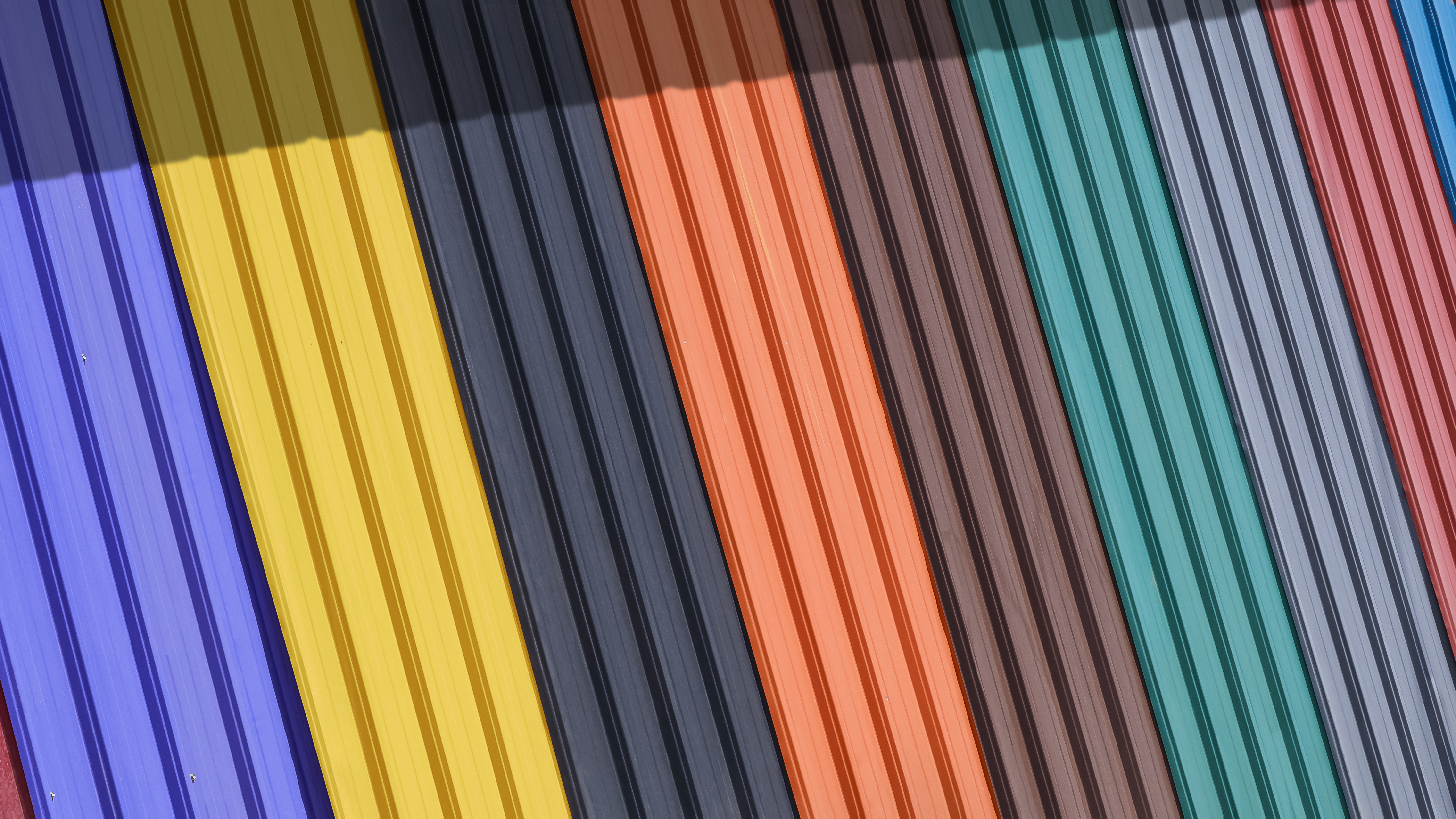
Plastisol is a thick, textured PVC coating (usually 200 microns in thickness) applied to galvanised sheets. It offers superior protection against weather, abrasion and chemical exposure, making it one of the most durable metal roofing finishes available. For this reason, Plastisol roofing sheet finishes are frequently employed for industrial, agricultural and coastal buildings, as well as storage units and sheltered structures, where toughness and reliability are top priorities.
If your project needs long-term resilience, Plastisol is often the best all-round choice. The investment pays off with minimal upkeep and strong protection in challenging environments.
Advantages |
Drawbacks |
|---|---|
|
|
|
|
|
|
|
|
|
PVDF (Polyvinylidene Fluoride) Finish
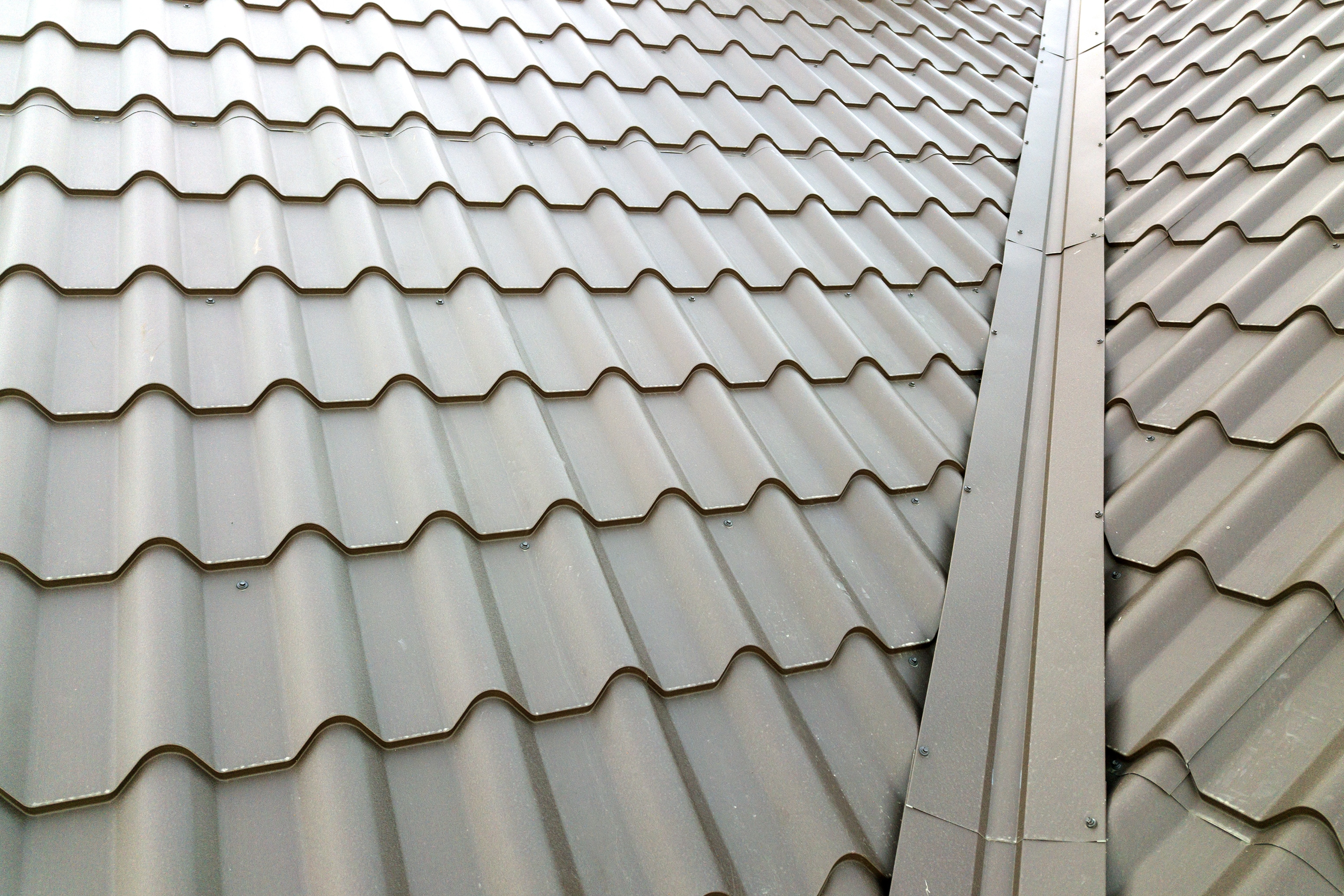
PVDF coatings are a premium fluoropolymer finish applied to galvanised steel. The smooth, glossy layer is designed for maximum UV resistance and colour retention over decades of exposure. This finish is typically used in high-end architectural projects, modern residential homes and office façades where both durability and visual appeal are critical.
PVDF is a great option when looks and longevity are equally important, but it may not be cost-effective for large-scale agricultural or industrial buildings where aesthetics are secondary to longevity.
Advantages |
Drawbacks |
|---|---|
|
|
|
|
|
|
|
|
|
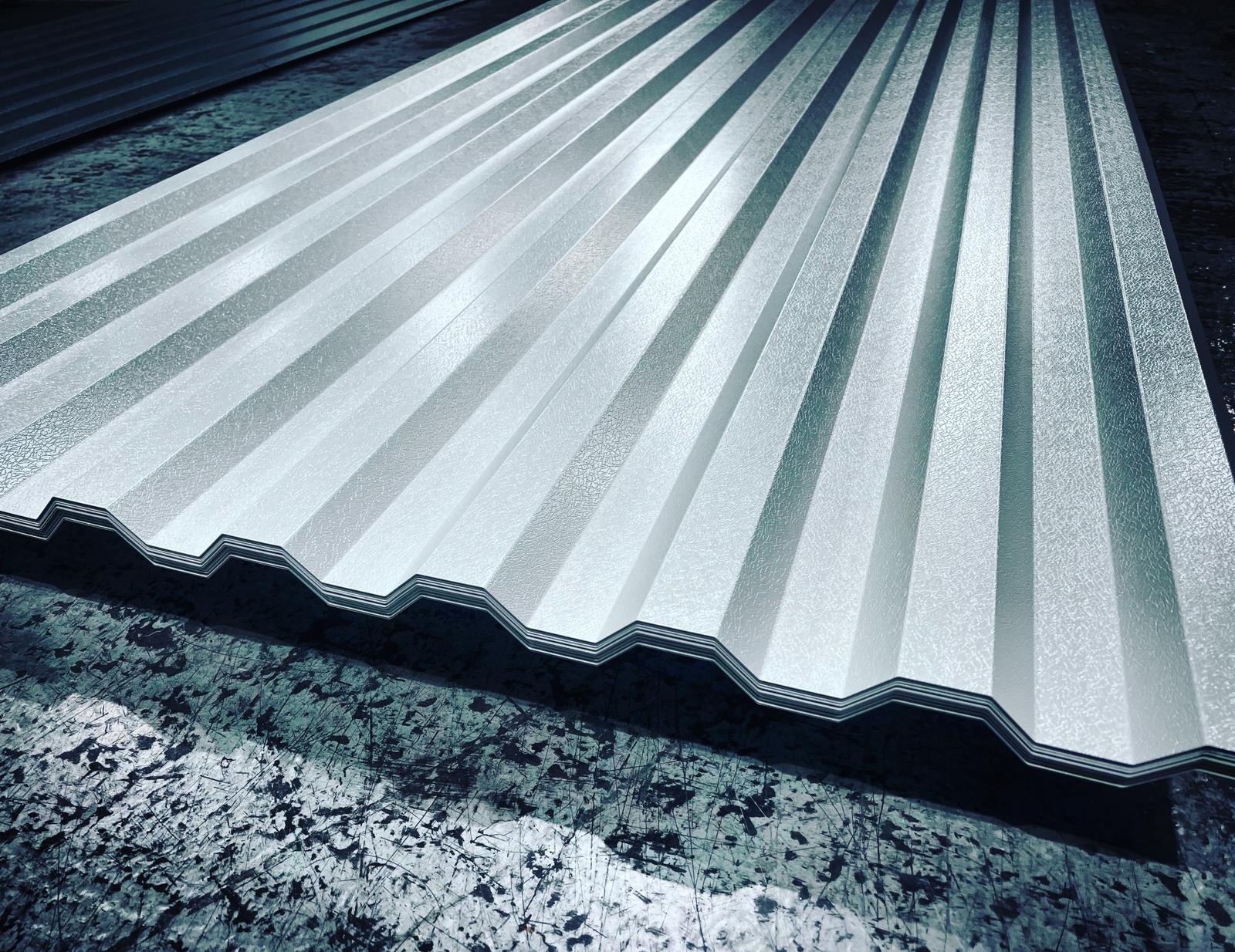
Aluzinc Finish
Aluzinc is a hybrid coating made from aluminium, zinc and a small amount of silicon. This combination creates a silvery, reflective surface with better corrosion resistance than standard galvanised steel. Aluzinc works well in energy-efficient buildings, hot climates, or long-term industrial applications, particularly where a metallic finish is preferred over painted colour. Aluzinc is a strong performer for modern projects looking for a clean, minimal metallic appearance with excellent longevity. It’s a particularly good choice in locations with high solar gain or industrial exposure.
Advantages |
Drawbacks |
|---|---|
|
|
|
|
|
|
|
|
|
Conclusion
Choosing the right roof finish type depends on your building’s purpose, your environmental conditions and how much maintenance you’re prepared to manage. Metal roofing finishes vary significantly in price, durability and appearance – so it pays to think long-term. If you’re unsure, speak with your metal roof sheet supplier or installer, who can offer guidance based on your specific project requirements.
From budget-friendly galvanised sheets to top-tier PVDF coatings, there’s a finish for every application, the key is matching it to your priorities.