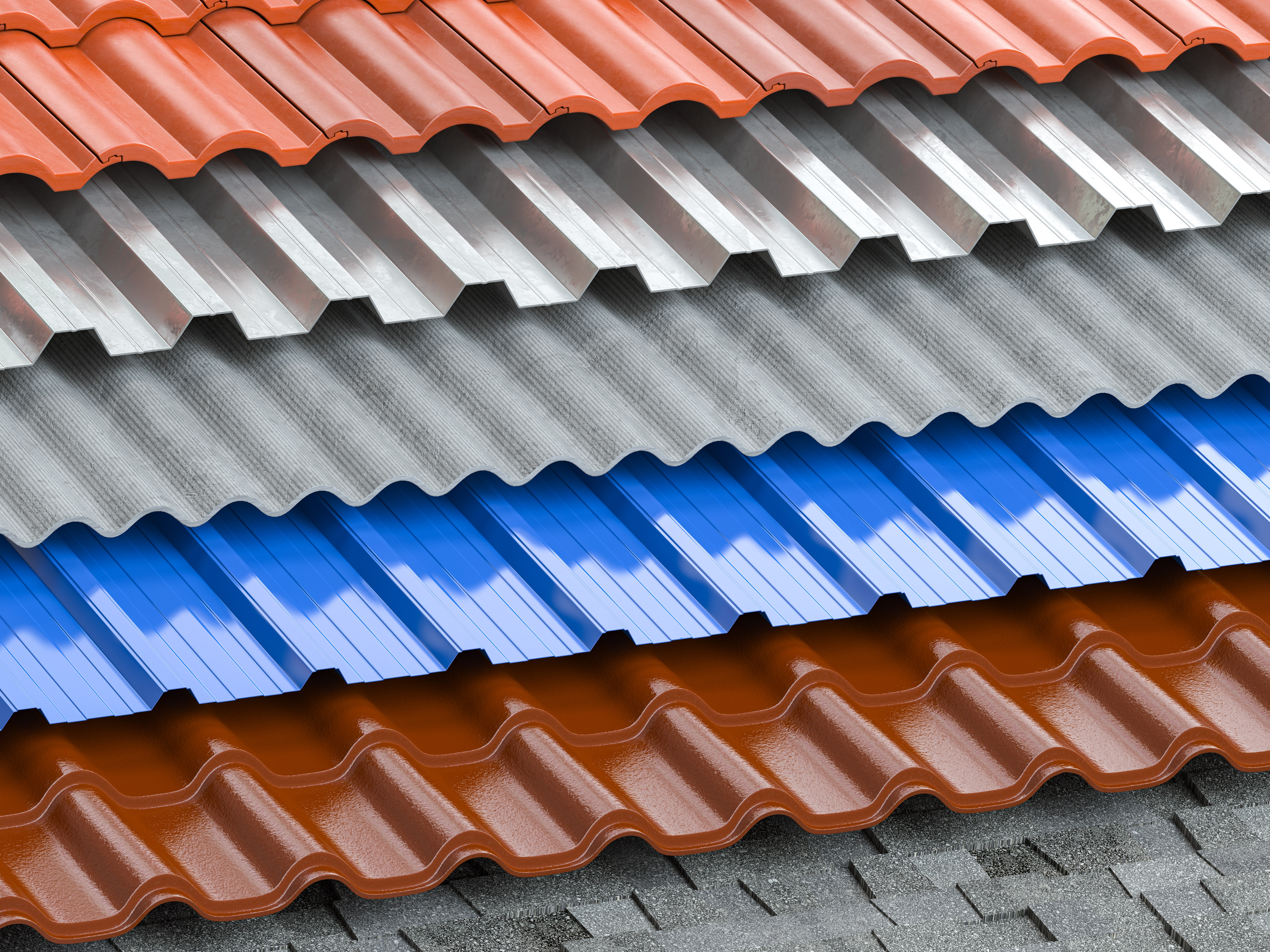
Standing in the builders’ merchant looking at rows of different roof sheets made of different materials, you’re faced with a bewildering array of choices. Steel, aluminium, fibreglass, polycarbonate – each promising different benefits and sporting very different price tags.
Choosing the right roof sheet material can make or break your project, affecting everything from longevity and maintenance costs through to planning permission and energy efficiency. In this comprehensive guide, we break down the most popular roof sheet materials used across the UK, examining their real-world performance, costs, and suitability for different applications to help you make an informed decision.
Steel Roof Sheets
The UK Market Leader
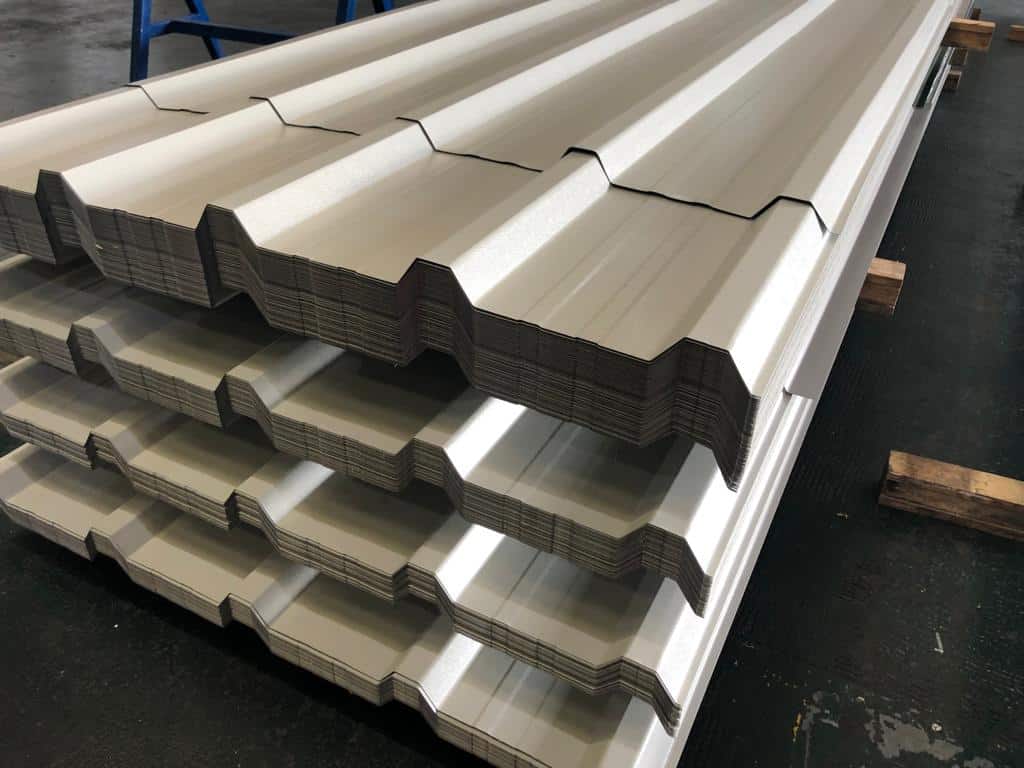
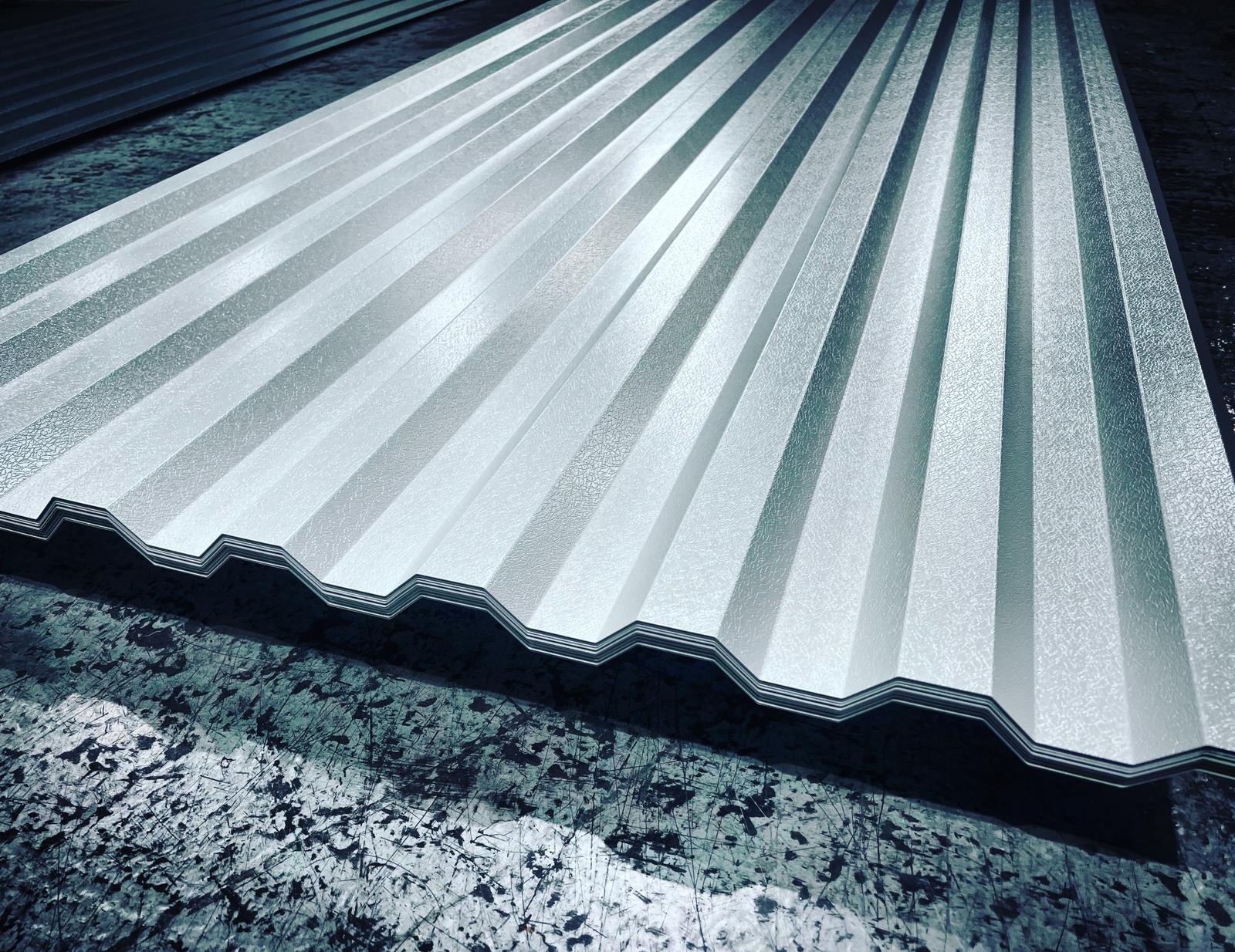
Steel dominates the UK roofing market for compelling reasons. Modern steel sheets combine exceptional durability with design flexibility, making them suitable for everything from industrial warehouses to contemporary homes. Quality steel roofing can last 40+ years with minimal maintenance, whilst offering superior wind resistance crucial for the UK’s challenging weather conditions.
The material’s fire resistance properties make it ideal for commercial applications, and its 100% recyclability appeals to environmentally conscious builders. Steel’s thermal expansion requires proper fixing systems, and without adequate insulation, it can amplify rain noise and create condensation issues. However, these challenges are easily managed with correct installation techniques.
Best for: Agricultural buildings, industrial warehouses, commercial developments and modern residential projects. This type of roof sheet material is particularly suitable for large spans and exposed locations where weather resistance is paramount.
Aluminium Roof Sheets
Lightweight Performance with Premium Credentials
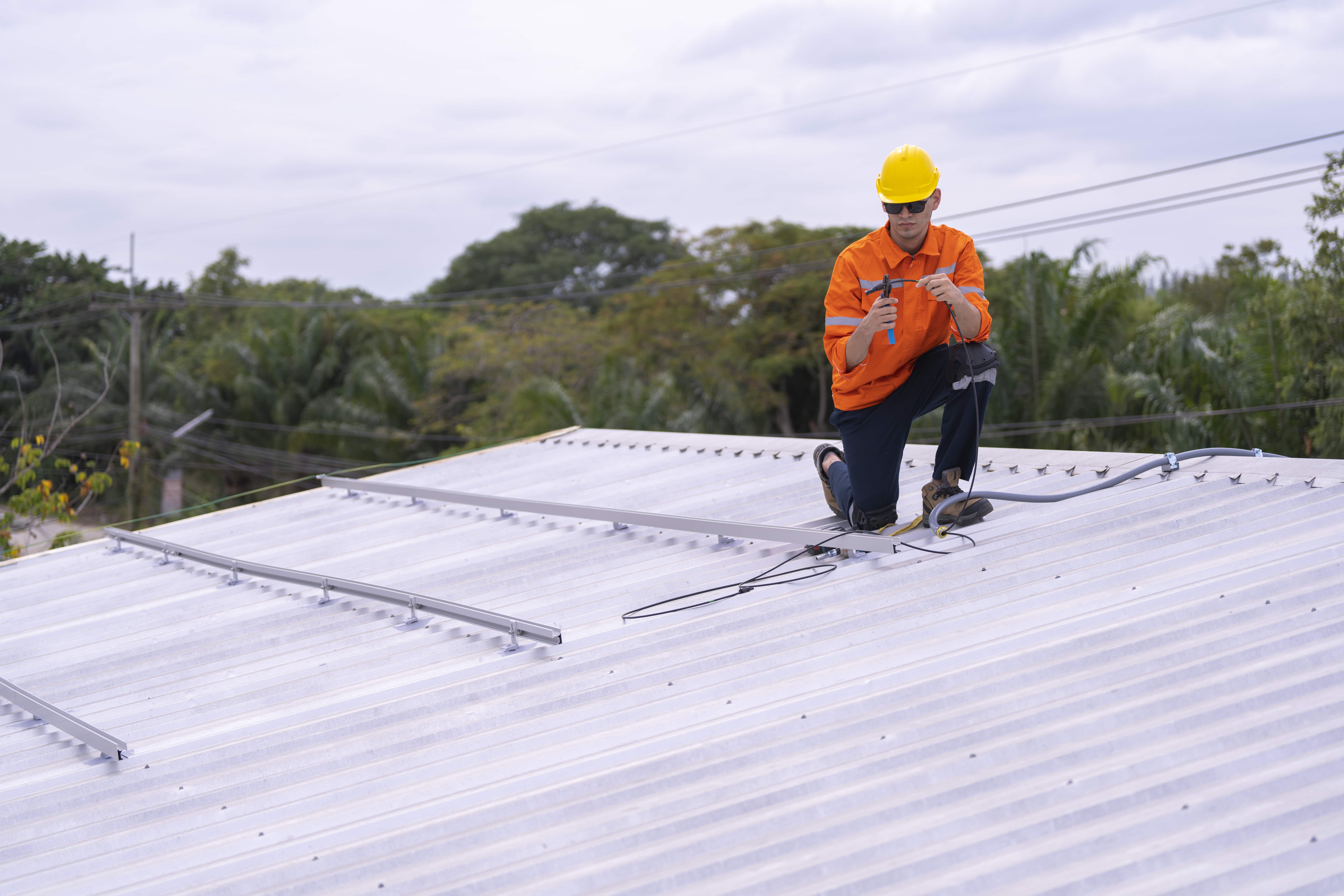
Weighing significantly less than steel whilst offering natural corrosion resistance, aluminium excels in coastal environments where salt exposure would challenge other materials. Its reflective properties can help reduce cooling costs, and the material requires minimal ongoing maintenance once properly installed.
The trade-off comes in higher initial costs and increased susceptibility to denting from hail or impact damage. Aluminium’s significant thermal movement requires careful design consideration and colour options remain limited compared to steel alternatives. Specialist fixings are essential to prevent galvanic corrosion, adding complexity to installation.
Best for: Coastal buildings, lightweight structures and specialist architectural projects where corrosion resistance justifies the premium cost.
Fibre Cement Roofing Sheets
The Balanced Middle Ground
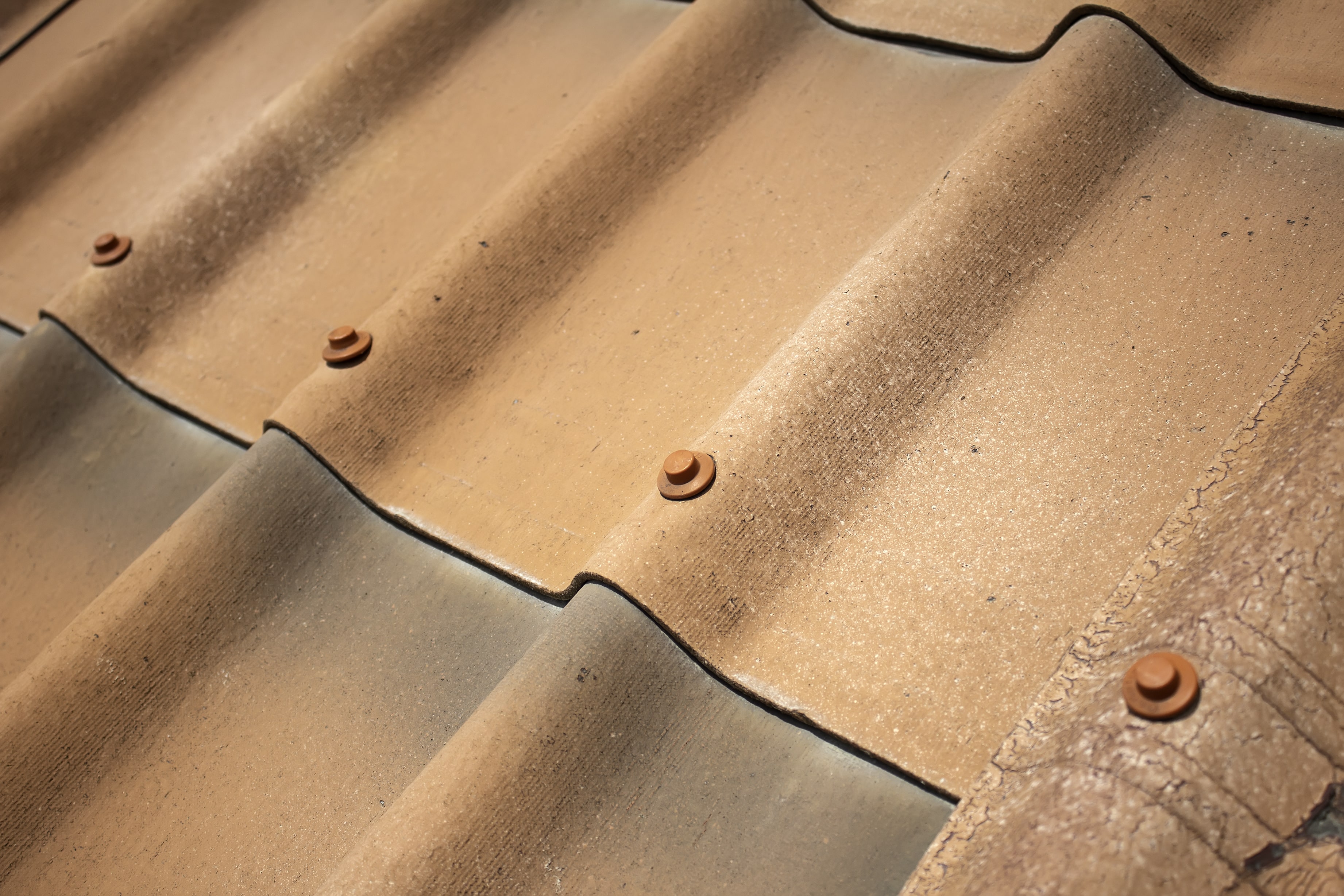
Offering excellent fire resistance at a reasonable price point, fibre cement appeals to budget-conscious projects without compromising essential performance characteristics. The material handles the UK’s variable climate well, with minimal thermal movement compared to metal alternatives and superior acoustic properties that reduce noise transmission.
Weight becomes a consideration requiring adequate structural support, and the material’s brittleness means it can crack under impact or excessive stress. Whilst fibre cement provides good value, its shorter service life compared to quality metal alternatives means replacement costs arrive sooner. Moisture absorption over time can also affect long-term performance.
Best for: Budget-conscious projects, agricultural buildings and applications where fire resistance requirements drive material selection.
Polycarbonate Roof Sheets
Bringing Light to Functional Spaces
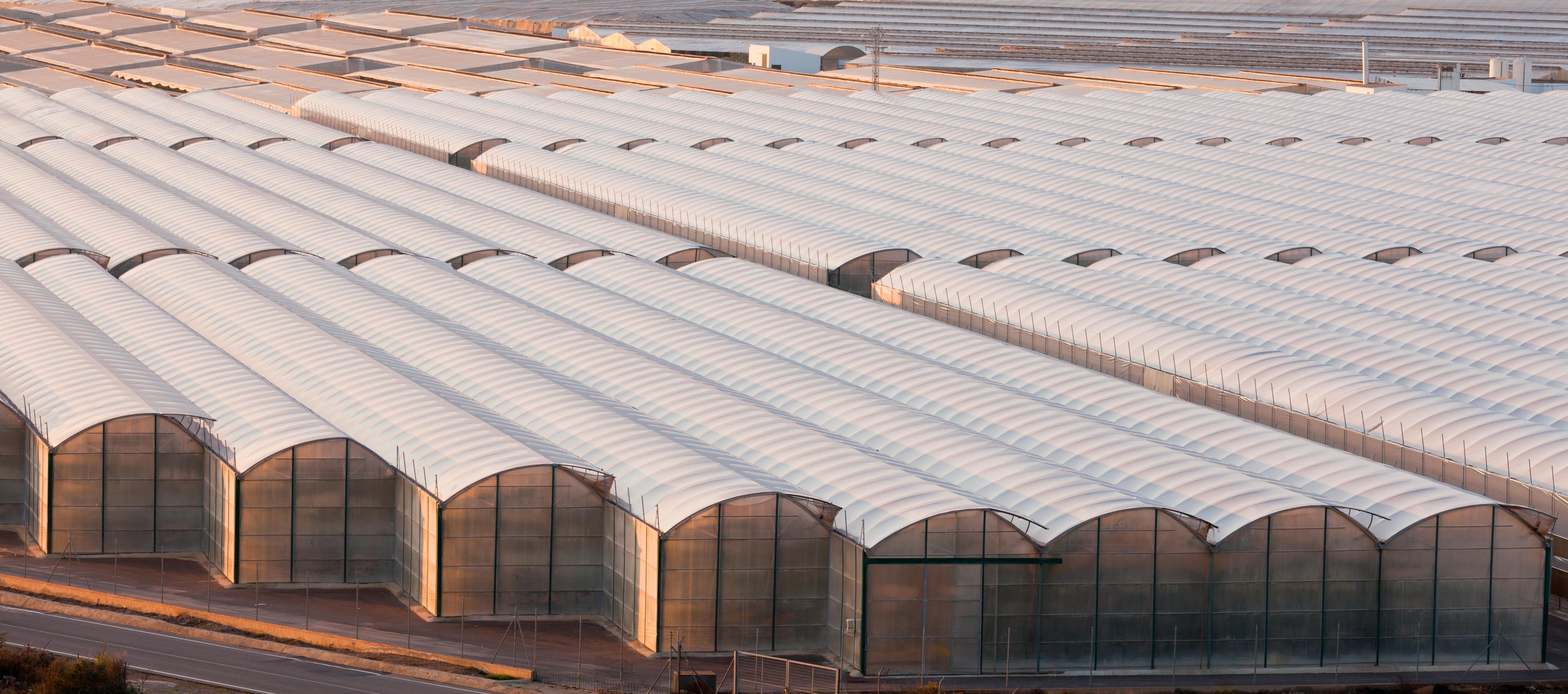
Where natural light transmission matters, polycarbonate sheets provide weather protection whilst maintaining transparency. The material’s excellent impact resistance and lightweight properties make installation straightforward, with multi-wall variants offering surprising thermal insulation properties.
However, polycarbonate’s 10-15 year lifespan means regular replacement costs, and significant thermal expansion requires careful detailing around edges and fixings. The surface scratches easily during installation and maintenance, whilst condensation problems can develop without proper ventilation. Fire performance limitations may restrict use in certain applications.
Best for: Conservatories, canopies, walkway covers and agricultural buildings where the natural light provides operational benefits.
Bituminous Sheets
Traditional Solutions for Basic Needs
Representing one of the most budget-friendly options available, bituminous sheets offer flexibility that accommodates structural movement without damage. Simple patch repair methods make maintenance accessible, whilst good acoustic properties suit applications where noise reduction matters.
The material’s limited 15-20 year lifespan and UV degradation mean frequent replacement cycles. Temperature sensitivity causes brittleness in cold weather and softening in heat, affecting installation timing and long-term performance. Poor fire resistance properties and limited recycling options at end-of-life also create concerns for modern building standards.
Best for: Temporary structures, basic agricultural outbuildings and budget projects where longevity takes second place to initial cost savings.
Composite and Specialist Materials
Innovation in Roofing Sheet Material at a Price
The UK market increasingly features composite materials engineered for specific performance requirements. These solutions can mimic traditional materials whilst offering superior characteristics, often incorporating built-in insulation or integrated weatherproofing systems.
Higher costs reflect the advanced engineering involved, whilst limited long-term performance data means some risk in specifying newer products. Specialist installation requirements may demand trained installers, and complex repair procedures can complicate maintenance. Longer lead times compared to standard materials also affect project scheduling.
Best for: High-performance applications where specific requirements justify premium costs and specialist installation demands.
Making the Right Choice for Your Project
- Climate and exposure – Coastal locations need corrosion-resistant materials like aluminium or quality coated steel, whilst wind exposure affects structural and fixing requirements
- Structural capacity – Existing buildings may require lightweight solutions, whilst new builds can accommodate heavier, longer-lasting materials
- Budget analysis – Consider lifetime costs including maintenance and replacement, not just initial purchase price
- Planning regulations – Conservation areas and fire rating requirements can restrict material choices and affect approval timelines
- Installation complexity – Steel and aluminium need compatible fixings, whilst polycarbonate requires thermal movement allowances
- Maintenance demands – From steel’s periodic touch-ups through to polycarbonate’s 10-15 year replacement cycles
The fixing systems required for different materials vary significantly in complexity and cost, and are also definitely worth getting brushed up on. Steel and aluminium demand compatible fixings to prevent galvanic corrosion, whilst polycarbonate needs allowance for thermal movement. Understanding these requirements early prevents costly installation complications.
Regular maintenance requirements differ substantially between materials. Steel needs periodic inspection and touch-up of damaged areas, aluminium requires minimal intervention beyond cleaning, whilst polycarbonate demands replacement of degraded sheets every 10-15 years. Factor these ongoing commitments into your material selection process.
Conclusion
Your roof sheet material choice affects building performance, maintenance costs and appearance for decades. Whilst steel dominates the UK market through proven reliability and versatile performance, the optimal selection depends on balancing your specific requirements against available budget and structural constraints.
Ready to select the perfect roof sheet material for your project? At Cardinal Steels, we supply comprehensive roofing solutions with expert technical support. Browse our steel roof sheet range or contact our experienced team today for personalised guidance on material performance and installation requirements. Make the right choice once and enjoy reliable protection for years to come.