Z purlins are critical components in steel-framed buildings, providing critical support for both roofs and walls.
Not all Z purlins are the same, their size, strength and profile must be carefully matched to the span, load and environmental conditions of your structure to ensure safety, durability and cost-efficiency.
At Cardinal Steels we offer a wide range of purlins, including Z purlins and C sections, in various thicknesses and depths to suit every project.
In this article, we’ll explain what Z purlins are, why selecting the correct size is important, the key factors influencing that size, and how Z purlins are calculated for optimal performance.
What Are Z Purlins?
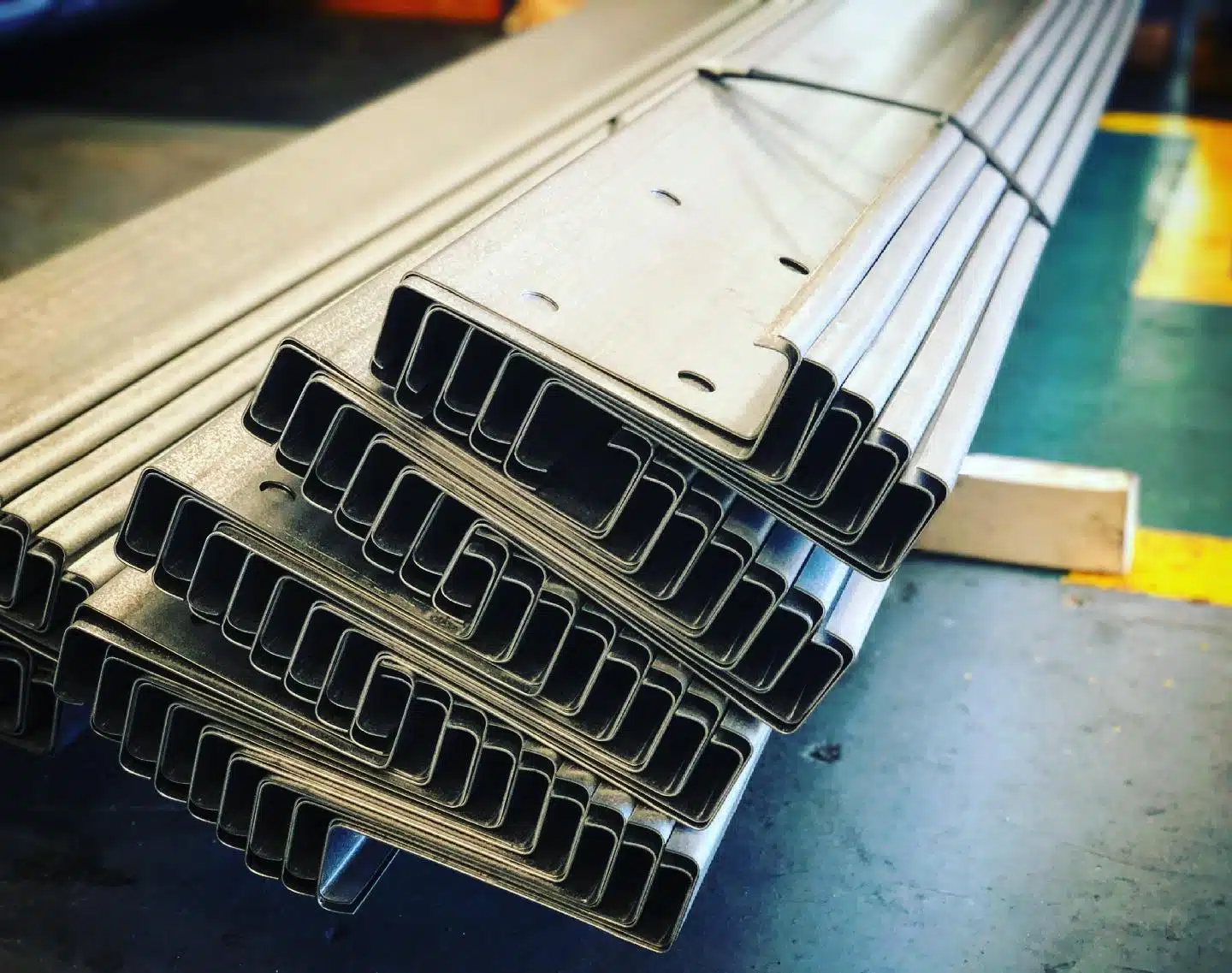
Z purlins are Z shaped steel beams used as horizontal structural supports for roof and wall panels in steel-framed buildings.
Key Points:
- They are made from cold-rolled or galvanised steel for strength and corrosion resistance.
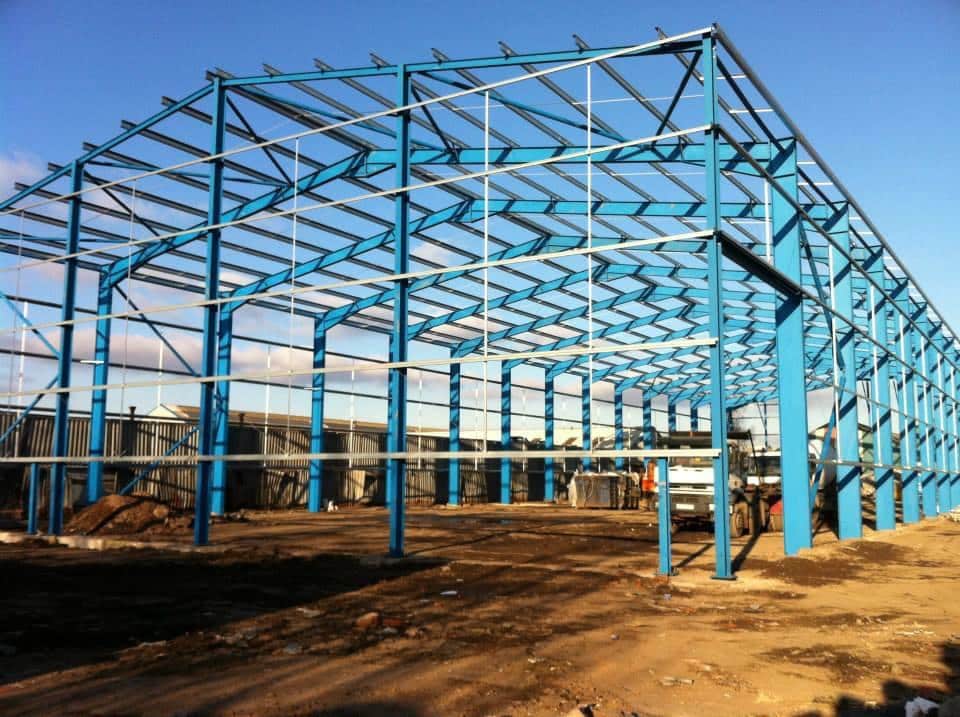
- They act as secondary structural members, transferring loads to the main frame.
- They support dead and live loads from roofing and wall sheets.
Advantages Over Other Profiles:
- Can span longer distances than C purlins.
- The Z shape allows lapping for continuous lengths
- Lightweight but strong, reducing overall structure weight.
Why Correct Z Purlin Size Matters
Selecting the correct Z purlin size is essential for::
- Safety: Prevents buckling, bending or structural failure.
- Stability: Maintains roof and wall alignment
- Cost efficiency: Avoids unnecessary steel usage
- Component Fit: Ensures compatibility with beams, trusses and cladding.
Incorrect sizing can cause sagging, excessive deflection or expensive repairs.
What Factors Influence Z Purlin Size?
Z purlins can be made in various size, length and depth.
When selecting the correct size Z purlin, you must consider the following factors:
The Span Length
- The span length is the distance the purlin stretches between supports such as beams or trusses.
- Longer spans require deeper or thicker purlins to resist bending
The Load Requirements
When choosing the right Z purlin, you must consider the load it will be carrying.
- Dead Load: Roofing sheets, insulation, ceilings and purlin weight.
- Live Load: Snow, wind, temporary equipment or maintenance equipment.
The Purlin Spacing
- The distance between two adjacent Z purlins will affect how much load each purlin will carry.
- Closer spacing will reduce the load per purlin but increases steel usage.
- Common spacing ranges between 1-3mm.
Material Properties
- The grade and thickness of the steel which influence the strength and stiffness of Z purlins.
- A higher grade steel will allow for shallower purlins whilst still maintaining its load capacity.
- Galvanised or coated steel improves corrosion resistance.
At Cardinal Steels, we manufacture our purlins in house to ensure they are of the highest quality, with a fast turnaround.
The Roof Pitch and Shape
The roof angle will affect the distribution of the load.
- A steeper roof may have a more vertical load from the roofing sheets but less horizontal load from varying factors such as snow.
- Low pitch roofs may require stronger Z purlins to resist bending under loads.
Environmental and Site Conditions
- Areas which are prone to high winds or heavy snowfall may require larger Z purlins or additional bracing.
- Corrosive environments such as costal or industrial areas may require the steel to be galvanised or coated for added longevity.
How is Z Purlin Size Calculated?
Taking into account the discussed factors which affect the size of a Z purlin, the calculation process is based on:
1. Determine Loads
You must know how much weight the purlin will carry, calculating both the dead and live load.
2. Measure Span
Identify the distance between supports to prevent excessive deflection.
3. Calculate Bending Movement
The purlin must resist the weight of the load without bending or deforming.
4. Check Stability
The flanges and lips in the Z shape purlins help prevent twisting or buckling under heavy loads, ensuring the purlin stays straight and strong overtime.
Conclusion
Choosing the right size Z purlin is crucial for the safety, stability and longevity of any steel-framed building,
By carefully considering key factors such as span length, load requirements, material strength and environmental conditions, you can ensure a durable, efficient, and cost-effective structural solution for your project.
At Cardinal Steel our detailed brochure provides you with all the information you need to make informed decisions about Z purlins, helping you select the best option for your building.