
Metal roofing is widely known for its durability, sleek appearance and long-term performance. Whether installed on homes, commercial buildings or agricultural sheds, metal roof sheets offer many benefits over traditional roofing materials. However, like all construction materials, they are not without their challenges.
In this article, we’ll explore some of the common problems with metal roofs, what causes them and most importantly, how you can go about fixing them. Whether you’re a property owner trying to identify a leak or a contractor faced with unexpected wear, this guide aims to help you spot issues early and respond effectively. By the end of this article, you’ll understand not only what the biggest problem with metal roofs tends to be but also how to deal with a variety of common issues that might affect their lifespan and performance.
1. Leaks and Water Ingress
One of the most frequently cited metal roof problems is leaking. This can occur due to improper installation, failed sealants, loose screws or roofing overlaps that are not correctly aligned. Even a minor defect can allow rainwater to seep in, potentially causing internal damage.
How to fix it:
- Inspect the roof carefully during dry and wet conditions, looking for discolouration, rust trails or water streaks
- Check for failed seals, especially around screws, joints, skylights and ventilation points
- Replace worn-out or missing sealant with a high-quality roofing silicone
- Tighten or replace loose fasteners using rubber washer screws which create a watertight seal
- Ensure overlapping sheets have the correct pitch and coverage; if they’re too shallow, water may backtrack under the lap
2. Condensation Build-Up
Metal roofs naturally cool quickly, especially at night. When warm moist air from inside the building meets the underside of the cold roof sheets, condensation forms. Over time, this moisture can lead to rust, mould or timber decay in the supporting structure.
This is particularly common in uninsulated agricultural buildings, garages and warehouses where there’s limited airflow or temperature control, which is why insulated metal roofing sheets are often used in these commercial premises
How to fix it:
- Use anti-condensation roof sheets which feature a fleece-like backing that absorbs moisture and allows it to evaporate as temperatures rise
- Improve ventilation within the roof space using ridge vents, louvres or soffit vents to circulate air
- Install vapour barriers beneath the metal sheets, especially in heated buildings, to reduce warm moist air from reaching cold surfaces
- Use insulation to maintain a consistent internal temperature and reduce moisture-laden air from forming dew points on cold surfaces
3. Corrosion and Rust
Although modern roof sheets are usually galvanised or coated to resist corrosion, damage to the protective finish or prolonged exposure to aggressive environments (e.g. near the coast or industrial areas) can lead to rust formation. Corrosion may start as small discoloured patches but can quickly spread if left unchecked, especially in areas where water pools or where fasteners have compromised the protective layer.
How to fix it:
- Clean off rust using a wire brush or rust remover, ensuring the surface is dry and free from contaminants
- Apply a zinc-based primer followed by a high-quality metal-specific topcoat to seal the area
- Replace heavily corroded sheets where the structural integrity is compromised
- When working near the coast or in harsh climates, opt for roof sheets with Plastisol or HPS200 finishes for added protection
4. Loose or Missing Fasteners
With thermal expansion and contraction, metal roof sheets naturally move slightly with temperature changes throughout the day and across seasons. As temperatures rise, the metal expands, and as they cool, it contracts. Over time, this constant movement can gradually loosen the fasteners holding the sheets in place or even cause them to pop out entirely, particularly if the fasteners weren’t properly sized or installed with adequate allowance for thermal movement.
How to fix it:
- Regularly check the integrity of screws, especially after seasonal changes or storms
- Replace missing or loose fasteners with new ones that have integral rubber washers
- Use screws with a suitable length and threading to ensure a firm hold in timber or steel purlins
- Avoid overtightening, which can cause the sheet to distort and create a gap that collects water
5. Scratches and Surface Damage
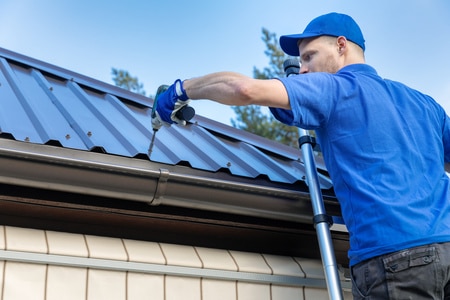
Scratches can occur during unloading, transport, installation or even routine maintenance if tools or equipment scrape against the panels. These exposed areas, once scratched, become more vulnerable to rust and can compromise the aesthetic appeal. This issue is especially common on coloured sheets with painted finishes, where any scratch stands out prominently.
How to fix it:
- Clean the area with a soft cloth and apply a matching touch-up paint to the scratched surface, following the manufacturer’s instructions
- Avoid using abrasive tools or dragging heavy equipment across the roof
- Use protective gloves, foam pads or rubber-soled shoes when working on the roof
- Store sheets on site carefully, ideally on a flat surface with spacers, to prevent accidental scratching before installation
6. Oil Canning (Waviness in Panels)
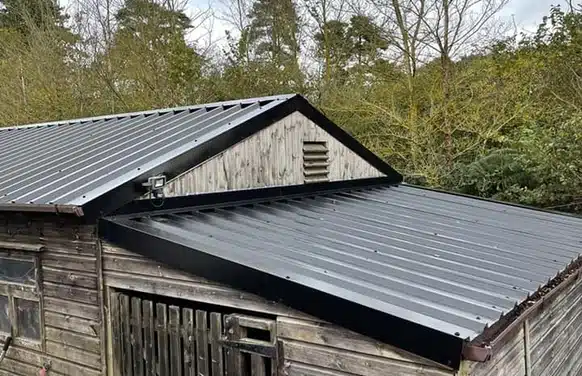
Oil canning refers to the visible waviness or distortion that appears on the flat areas of metal roofing panels, creating an uneven, rippled appearance that can be quite noticeable from ground level. This is usually an aesthetic issue rather than a structural one, and it’s more noticeable in wider, flatter profiles where there’s less inherent rigidity in the panel design. It can be caused during manufacturing processes, by incorrect storage methods that allow panels to bend or warp, poor fitting techniques that create stress points or by thermal movement over time as the metal expands and contracts with temperature changes.
How to fix it:
- Ensure sheets are not over-fastened or pulled too tightly during installation as this restricts natural movement
- Use thicker gauge steel which is less prone to flexing and deformation
- Install stiffening ribs or use profiles designed to hide surface distortions
- If oil canning is already present, cosmetic solutions such as overpainting or introducing shadow lines may help reduce visibility
7. Noise from Expansion and Rain
Metal roofs naturally expand and contract with temperature changes. During hot days and cool nights, this movement can create popping or ticking noises as the sheets flex against fasteners or adjoining panels. Additionally, during heavy rainfall or hailstorms, the noise generated by the impact on the sheets can be considerably louder than other roofing materials.
For some property owners, especially those with metal roofing over living spaces or offices, this can be extremely disruptive to try and live with day-to-day.
How to fix it
- Add insulation below the metal roof sheets, such as fibreglass or foam board, to absorb sound and reduce the echo effect
- Use acoustic underlay or sound-deadening mats during installation, particularly in residential or office buildings
- Ensure expansion gaps are properly accounted for during fitting so that thermal movement doesn’t cause stress on fixings
- Choose a profile with a textured finish or thicker gauge to naturally dampen sound
8. Panel Buckling or Warping
If panels are installed without enough room to move or are fixed incorrectly under tension, they may buckle or warp as they try to expand and contract naturally with temperature fluctuations. This can also happen when sheets are installed during hot weather and then cool down significantly, causing them to contract unevenly and creating stress points that lead to permanent deformation.
Warped panels can distort the intended drainage patterns, directing water flow in unintended directions and potentially creating pooling areas. They can also create gaps for water ingress at panel joints or connections, and simply look unsightly, detracting from the roof’s overall appearance and potentially affecting property value.
How to fix it:
- Replace severely buckled or deformed panels, especially if the distortion affects function or fit
- Ensure installation accounts for expansion with sufficient fixings and properly spaced laps
- Use slotted fixing holes to allow thermal movement
- Avoid installing sheets during the hottest parts of the day where possible, as this can result in expansion-related fitting issues
Conclusion
While metal roofing is one of the most resilient and long-lasting materials available today, no roof is entirely maintenance-free. By understanding these common problems with metal roofs and taking proactive steps to address them, you can significantly extend the lifespan of your roof and avoid costly repairs down the line.
Whether you’re trying to figure out what is the biggest problem with metal roofs or simply need practical advice for tackling leaks, noise or rust, this guide provides the knowledge and confidence to take action. For more complex problems or large-scale issues, contacting a specialist or your original supplier is always a good next step.