
You’re standing below your steel roof, looking up at years of accumulated grime, moss patches or mysterious stains that seem to get worse every month. Whether it’s agricultural residue from livestock buildings, industrial fallout from nearby factories or simply the relentless assault of British weather, that once-pristine steel roofing now looks tired and potentially compromised.
Cleaning a steel roof isn’t just about aesthetics. Neglected roofing can harbour corrosive contaminants, block drainage systems and significantly reduce your roof’s lifespan. This guide provides a systematic approach to cleaning steel roofing that works across all applications, from farm buildings through to coastal properties to standard UK homes.
Understanding Your Contamination Challenge
What’s actually on your roof to clean will depend on a few things, including your building type and where it’s located:
- Agricultural buildings – bird droppings, ammonia-rich livestock deposits, feed dust that creates acidic conditions
- Industrial facilities – chemical fallout, metallic particles, oil-based contaminants requiring specialist treatment
- Coastal properties – salt spray that accelerates corrosion if left untreated
- Residential/commercial – moss, algae, atmospheric pollution that seems harmless but damages coatings over time
Each contamination type needs specific consideration, but the fundamental cleaning approach works across all applications.
Essential Equipment and Safety Preparation
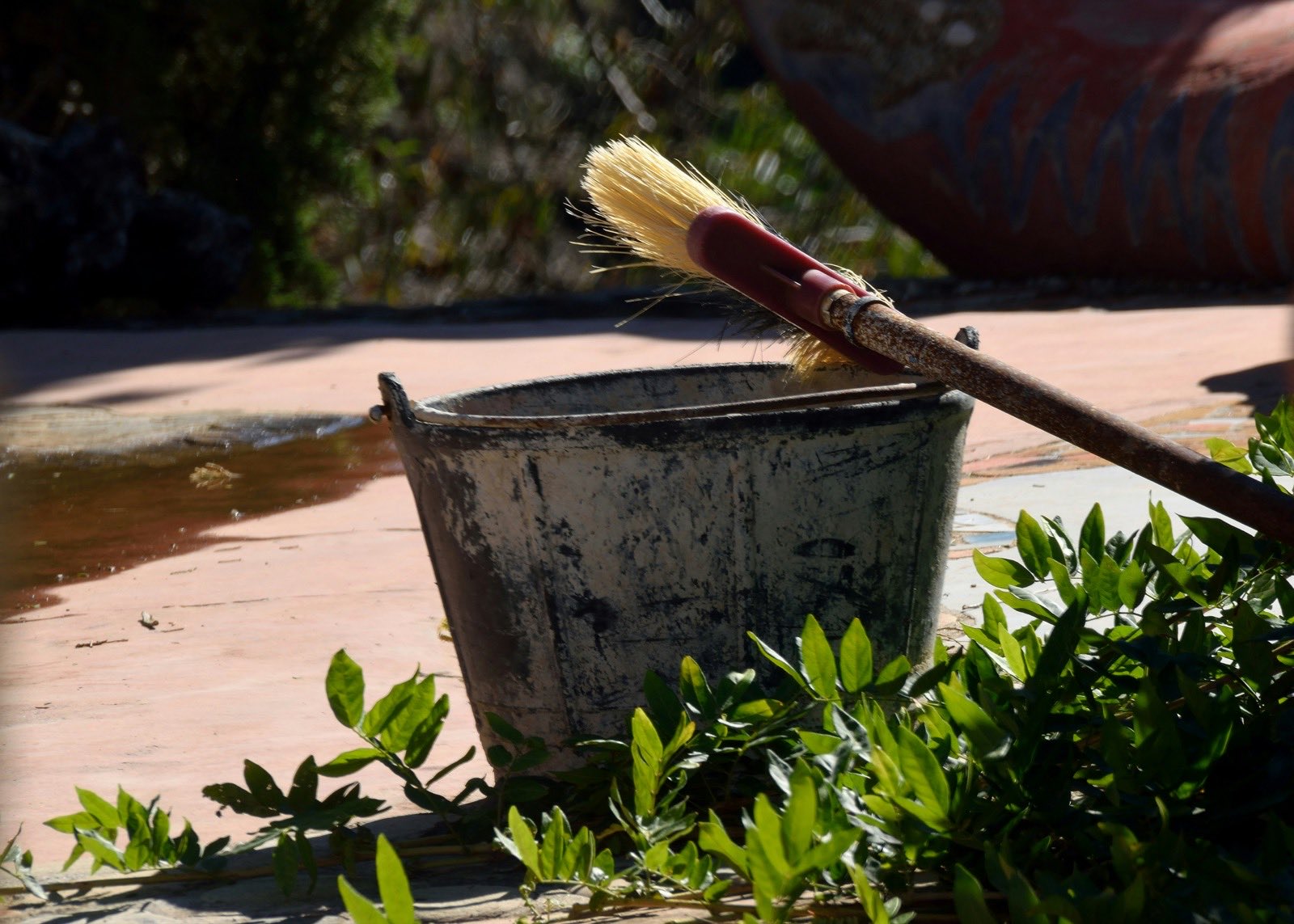
Proper equipment selection makes the difference between effective cleaning and potential damage to your roof’s protective coatings. The wrong tools or inadequate safety measures can turn a routine maintenance job into an expensive repair project or a dangerous situation.
Equipment you’ll need:
- Soft-bristled brushes (prevent coating damage)
- Low-pressure washer (under 1500 PSI)
- Appropriate cleaning solutions for your contamination type
- Garden hose for rinsing
- Extension pole for safer access
Safety essentials:
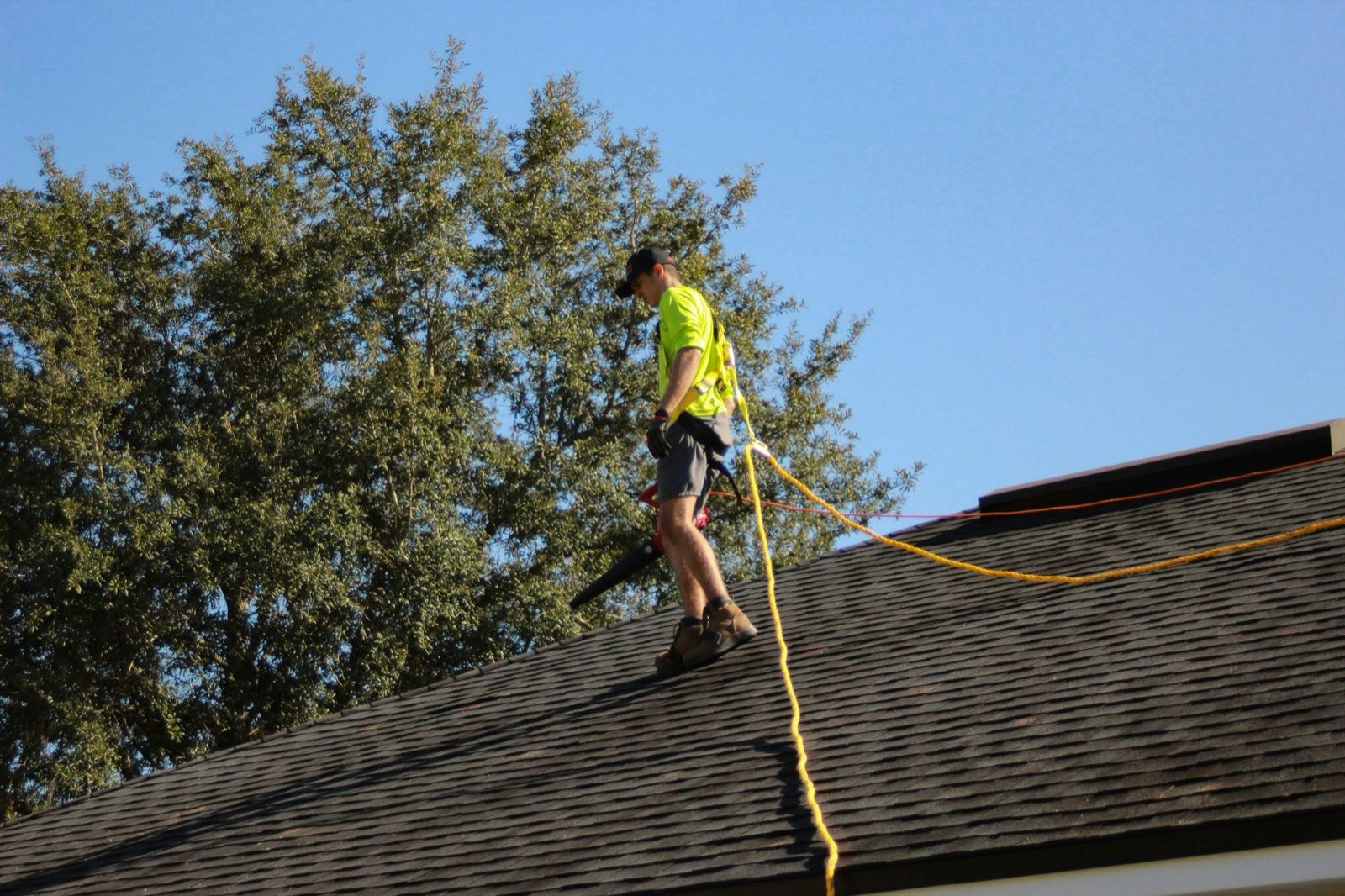
- Non-slip footwear and safety harness (depending on the height of your building or structure)
- Eye protection and chemical-resistant gloves
- Respiratory protection (especially for agricultural/industrial buildings)
- Stable ladder or access platform
- Never clean in wet or windy conditions
Pre-Cleaning Assessment and Preparation
Be sure to inspect your roof’s condition before beginning any cleaning operations. Pay close attention to areas of heavy contamination, existing coating damage or structural concerns beforehand. Your preparation checklist should include things like:
- Clear loose debris by hand or soft brush before any wet cleaning
- Protect surrounding areas – cover plants, vehicles, and equipment
- Check drainage systems – clear gutters to prevent flooding during cleaning
- Plan your approach – work from ridge to eaves in manageable sections
The Step-by-Step Cleaning Process
1. Initial Dry Cleaning
Remove loose contamination without introducing moisture that could complicate subsequent cleaning steps. Use soft-bristled brushes or low-pressure air systems to remove dust, dried organic matter and loose debris. This proves particularly effective on agricultural buildings where dried feed dust and organic deposits can be removed mechanically before wet cleaning begins.
2. Solution Application
Match cleaning chemistry to your specific contamination. Mild alkaline solutions work well for organic deposits common on farm buildings, breaking down ammonia-rich contamination without damaging steel substrates. Oil and grease contamination from industrial sources responds better to specialised degreasers, whilst salt deposits on coastal properties often require only fresh water rinsing when addressed regularly.
Cleaning solution guide:
- Organic deposits (farms) – mild alkaline solutions
- Oil/grease (industrial) – specialised degreasers
- Salt deposits (coastal) – often just fresh water
- Moss/algae (residential) – biocide treatments
3. Dwell Time and Agitation
Allow cleaning solutions adequate time to break down contamination effectively. Work systematically from ridge to eaves, ensuring complete coverage without allowing solutions to dry on the surface. Be sure to use soft-bristled brushes for mechanical assistance on stubborn contamination, but avoid aggressive scrubbing that could compromise coating integrity.
4. Thorough Rinsing
Remove all cleaning residues and dissolved contamination using clean water at moderate pressure. Work systematically to prevent recontamination of cleaned areas, paying particular attention to valleys and drainage points where contamination typically concentrates.
Post-Cleaning Inspection and Maintenance
After you have concluded the cleaning process, examine the cleaned roof surface for coating damage, corrosion, or areas requiring additional treatment. Some worthwhile post-cleaning actions include:
- Touch up damaged areas with the appropriate paint system
- Apply protective treatments if needed for your environment
- Clear any remaining blockages in drainage systems
- Document the results for future maintenance planning
Cleaning Frequency and Maintenance Schedules
Your cleaning schedule should match the rate at which contamination builds up on your roof. Heavy contamination sources like organic matter or salt spray require more frequent attention than general atmospheric dirt.
Recommended cleaning frequency:
- High contamination environments (farms, coastal areas) – every 3-4 months
- Moderate exposure (industrial areas, urban locations) – quarterly or bi-annually
- Light contamination (suburban residential) – annually with seasonal touch-ups
Signs you need more frequent cleaning include visible buildup, poor drainage, or accelerated staining between scheduled cleanings.
Conclusion
Effective steel roof cleaning extends service life by removing corrosive contaminants before they compromise protective coatings. Regular maintenance prevents minor issues from becoming major problems, whilst proper techniques protect your investment regardless of contamination type.
Keep your steel roofing performing like new. At Cardinal Steels, we know steel roofs inside and out – from manufacturing to maintenance. Our technical team provides expert guidance on cleaning methods and maintenance scheduling, plus we’re here when you need additional sheets for expansions or replacements. Contact us to develop a programme that maximises your roof’s lifespan and keeps you covered for decades to come.