
When it comes to metal roofing, it’s important that every installer and homeowner understands steel roof sheet expansion. Although steel is a strong and durable material, it’s not immune to temperature changes and like all metals, it will contract and expand as it is exposed to heat and cold. If expansion is not accommodated for during the installation process, this can lead to a range of problems including buckling, gaps in seams, distortions or even structural damage to the property.
In this article, we’ll explore everything there is to know about thermal expansion in steel roofing sheets, looking at the causes, why it’s important to plan for it and even offer some practical tips on how to accommodate for steel roof sheet expansion during both planning and installation.
What Is Steel Roof Sheet Expansion?
All materials expand and contract when exposed to temperature fluctuations, and steel is particularly susceptible. This is because steel is a good conductor of heat and undergoes noticeable size changes as the temperature rises and falls. On warm days, steel roof sheets can lengthen and widen slightly, whilst on colder days they shrink back. This movement might only be millimetres per metre but over the length of a roof, it adds up. Knowing that steel roof sheet expansion is a normal physical response rather than a manufacturing defect is the first step in preventing issues associated with it.
Why It’s Important to Plan for the Expansion of Roofing Sheets
Unchecked expansion and contraction of metal roofing sheets can lead to a range of problems, which can be costly to fix and certainly won’t reflect well on your abilities as a DIYer or professional roofing contractor:
- Buckling and warping: If the sheets are fixed too rigidly, they may buckle or distort as they try to expand.
- Seal failures and leaks: Rigid fastenings can open gaps around fixings or in overlaps, compromising waterproofing.
- Material fatigue: Repeated movement under constraint can stress steel and fasteners over years.
- Noise and vibration: Expansion may result in audible creaking as sheets rub or shift against supports.
Avoiding these issues is not just good practice – it is essential for longevity, performance and of course peace of mind (for both you and your clients).
What Causes Steel Roof Sheet Expansion?
The technical term for the expansion of your roof sheets is ‘thermal expansion’. Without getting too technical or scientific, as temperatures increase, the steel’s molecular structure allows a small but measurable increase in length. The expansion coefficient for steel is approximately 12 × 10^-6 per °C. This means a 10m roof sheet exposed to a 50°C temperature rise could expand by around 6mm. While this figure might not sound like much, cumulative expansion across multiple sheets laid or overlapped on a single rooftop or as cladding on a wall can result in serious distortion.
Other factors that influence expansion include:
- Sun exposure: Darker finishes absorb more heat and can reach significantly higher surface temperatures than ambient air.
- Roof orientation: A south‑facing roof in the UK may heat up more than a shaded or east‑facing one.
- Sheet length and width: The longer or broader the sheet, the more movement can occur.

How to Stop Your Steel Roofing Sheets From Warping
Use Slotted or Oversized Fixing Holes
Instead of using round holes that tightly grip bolts, many manufacturers pre-punch oval or slotted holes for self-tapping screws or fasteners. These provide the necessary room for the steel sheet to expand and contract without placing stress on the fixings or compromising structural integrity. It is important to follow the fastening guidelines carefully and position the screws correctly within the slot to ensure the sheet can move in the intended direction.
Leave Adequate End-Lap and Side-Lap
Always maintain the recommended overlaps when fixing sheets. For through-fixed profiles, this usually means an end-lap of around 150 to 200mm, though some profiles may require larger laps. These overlaps provide the space needed for expansion before adjacent sheets press against each other. Adhering to supplier specifications is essential, as altering lap sizes can negatively affect both water drainage and structural performance.
Fix Within Near-Centre Zones
Fasteners should typically be placed in zones that are roughly in the middle of the sheet pitch, avoiding locations too close to the sheet edge or the ridge line. Placing fasteners within these near-centre zones allows the sheet to expand and contract more freely in both upward and downward directions, helping to prevent stress at the edges or fastener points.
Use Floating Fastener Details Where Appropriate
In situations where long, continuous roof runs are required or for profiles such as standing seam systems, floating or sliding clips can be used. These clips secure the sheet in place while allowing it to move along its length as temperatures fluctuate. This method is especially useful for minimising stress in large roofing areas.
Control Sheet Lengths
Planning the layout to manage sheet length is another effective way to reduce the impact of thermal movement. Where feasible, divide longer runs into shorter segments, such as replacing a single 12m run with two 6m sections. Use internal joints or ridge breaks to accommodate the change, which helps limit the overall expansion and reduces pressure on fixings and seams.
Allow Movement at Flashings and Roof Penetrations
Expansion does not just affect the main body of the roof but also areas where there are flashings, ridges, hips, valleys and roof penetrations like vents or skylights. These areas should be detailed to allow for movement. Consider using compressible filler strips, sliding angle trims or flexible flashing materials so that as the roof moves, the seal around these features remains intact.
Plan for Seasonal Movement
Whenever possible, install roof sheets when the ambient temperature is somewhere between the expected extremes for your location. This mid-range point means the roof can expand slightly in summer and contract slightly in winter without either condition causing excessive stress. While this may not always be practical, aiming for a moderate temperature during installation is a good general approach to reduce movement-related issues later on.
Installation Planning Considerations
Choose an Appropriate Roof Profile
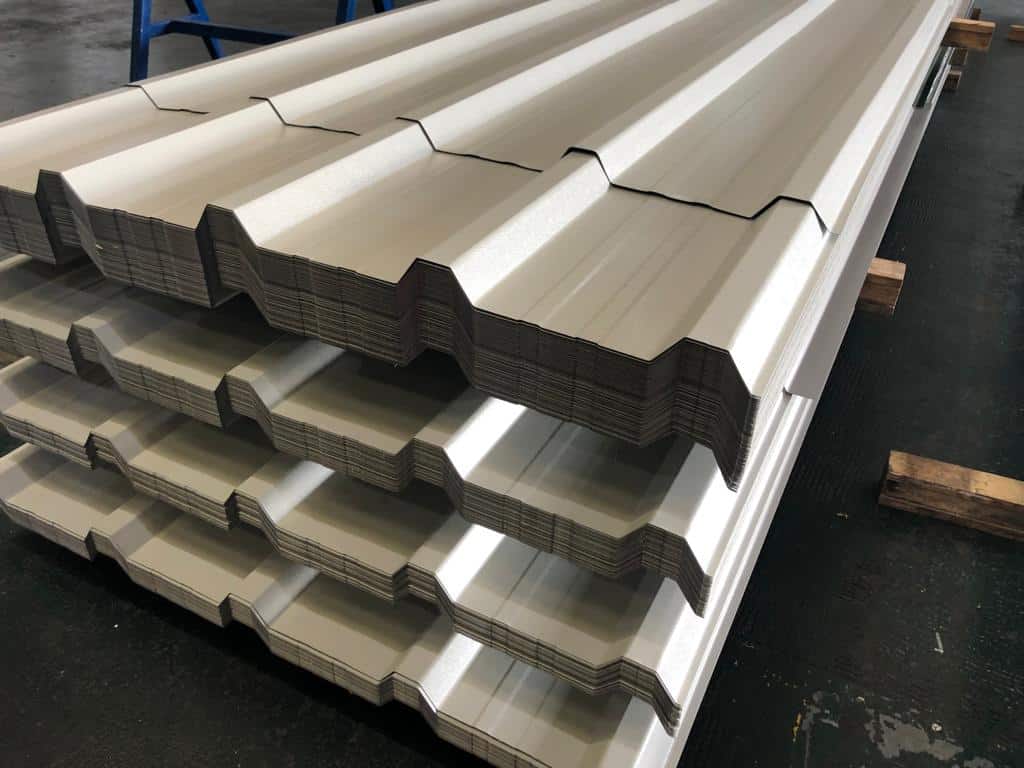
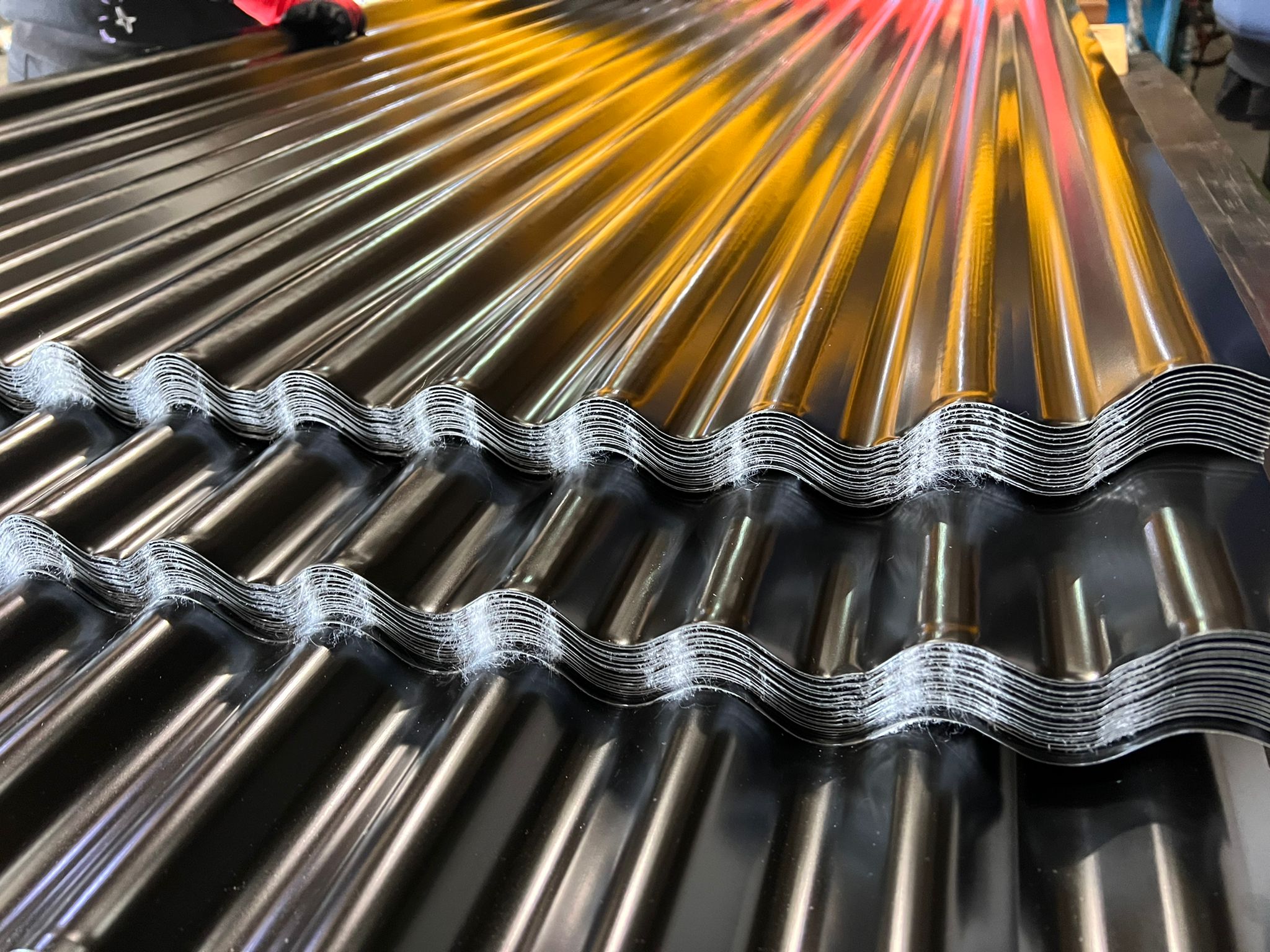
Steel sheets respond differently to temperature changes depending on their profile and thickness. Thinner panels expand more, and corrugated or trapezoidal profiles may behave differently due to shape and rigidity. Select products that meet industry standards for thermal movement to ensure long-term reliability.
Follow the Manufacturer’s Guidelines
Reputable manufacturers provide detailed instructions on fastener positions, lap sizes, expansion gaps and profile-specific advice. Following these precisely helps prevent expansion issues and ensures warranty protection.
Factor in Climate and Location
Local temperatures, especially in summer, can significantly affect steel expansion. In parts of the UK like the south-west, roof surfaces can exceed 60°C. Use this data to guide decisions on sheet lengths, fastener spacing and surface finishes. Reflective or light-coloured coatings can help reduce heat absorption.
Consider Roof Shape and Structural Support
Complex roof shapes and features like hips or valleys create variation in how expansion occurs. Always allow for movement at these junctions. Also, consider that timber supports may expand with moisture, potentially increasing overall movement. Proper detailing will help manage these effects.
Use Flexible Sealants and Jointing Strips
Where sealants are required, use materials like polyurethane or polysulphide that remain flexible across temperature changes. However, sealants alone are not enough. They should work alongside mechanical design features that allow the sheet to expand and contract freely.
Conclusion
Steel roof sheet expansion is a natural response to temperature and skilful planning during installation ensures it remains harmless rather than harmful. By choosing the right fastening techniques, layout elements such as lap lengths and floating clips and allowing movement at flashings and expansion joints, you can deliver strong, long-lasting roof construction. With regular inspection and maintenance, small issues can also be caught early before they escalate.
If you’re planning a steel roof project or need guidance on accommodating sheet expansion effectively, get in touch with our team of experts at Cardinal Steels. We’re here to help you build with confidence.