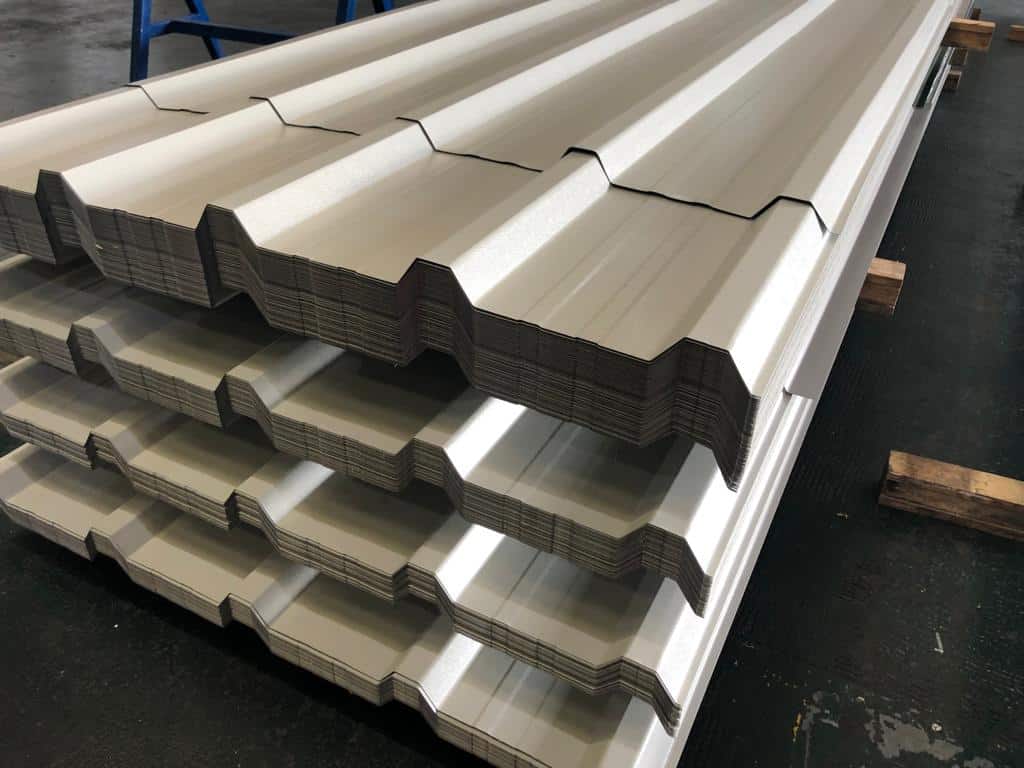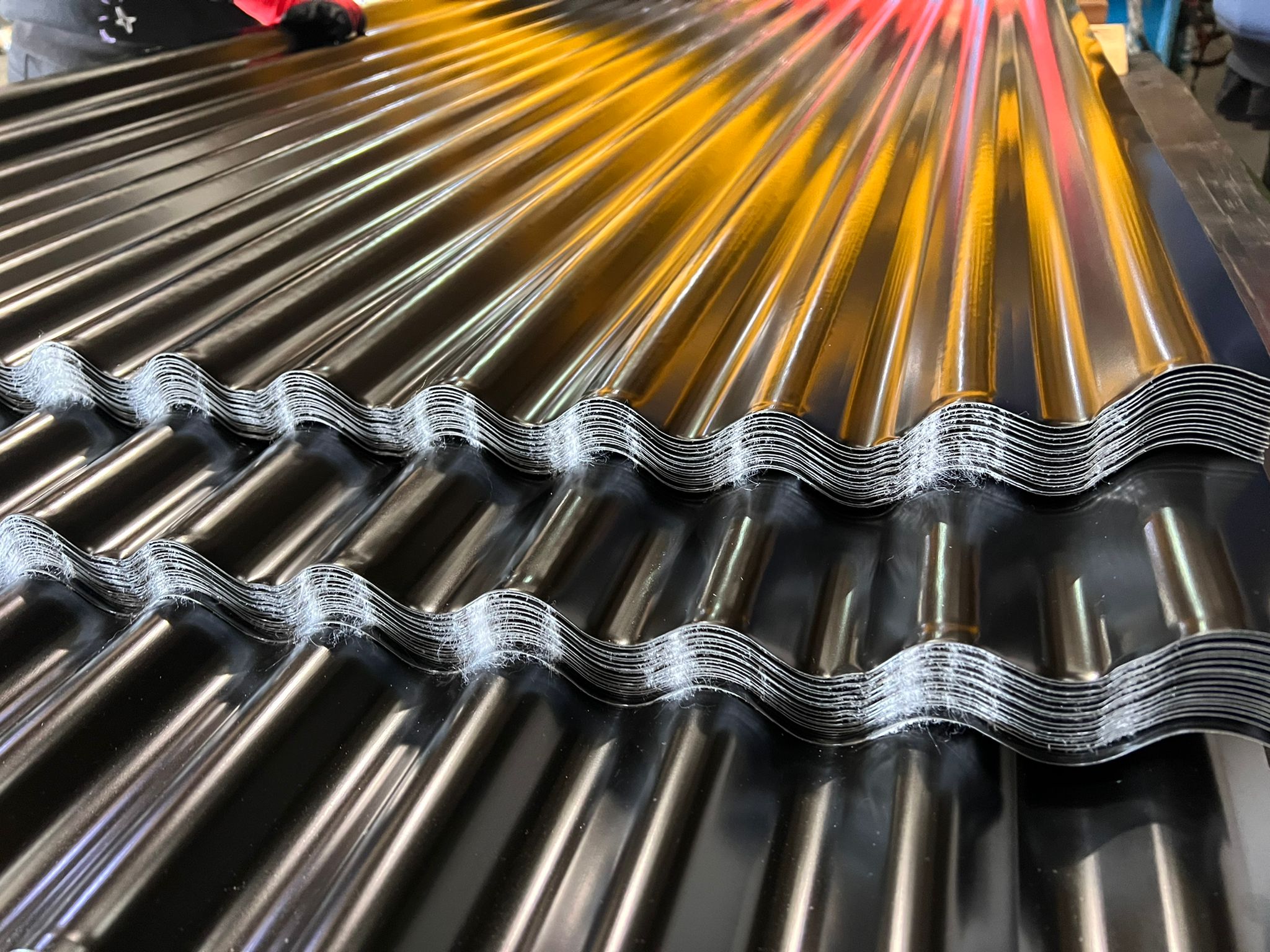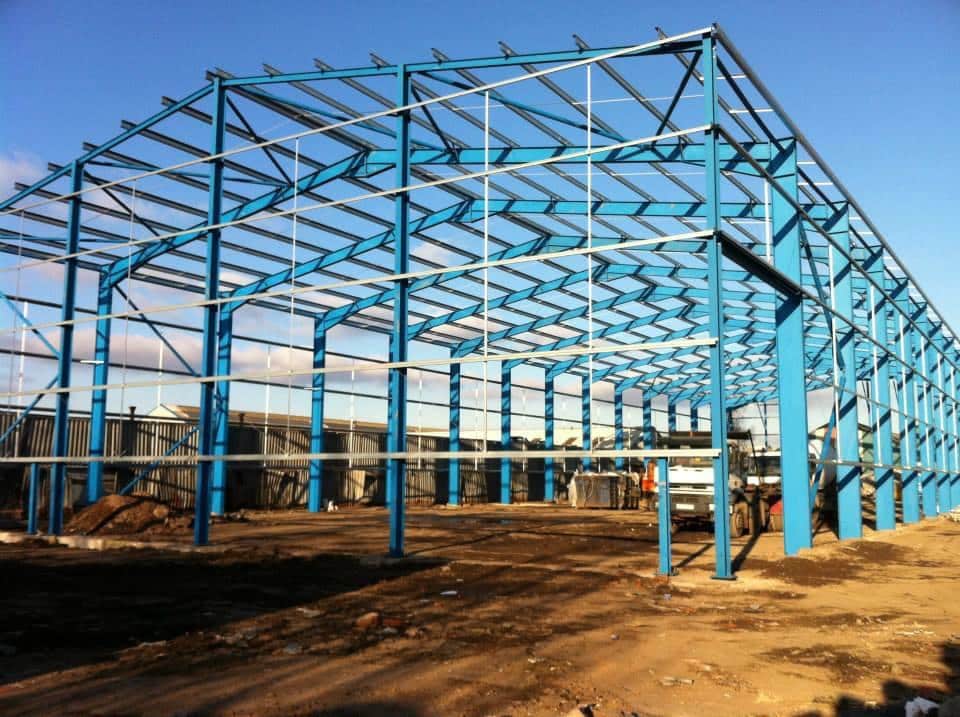

Stripping and replacing an industrial roof is disruptive and expensive. The building has to be made safe, the old covering removed and disposed of, and the interior is exposed to the weather while the work goes on. Over-cladding avoids most of that by building a new roof over the existing one.
How it works
A spacer system is fixed through the existing roof into the purlins below, setting out a new fixing plane at the required height. Insulation goes into the void created, and a new outer sheet is fixed over the top. The original covering stays where it is and becomes the liner.
Our overcladding page covers the build-up in more detail.
Why it appeals
- The building stays weathertight. There is no point at which the interior is open to the sky, so operations can usually continue.
- No stripping or disposal. That is a significant part of the cost and programme of a replacement, particularly where the existing covering needs careful handling.
- Thermal performance improves. You are adding insulation to a building that very likely has little or none, which addresses running costs and condensation together.
- Condensation risk falls. Keeping the inner surface warmer means it is less likely to reach the dew point.
What has to be checked first
The structure. You are adding load. The existing frame and purlins need to be capable of carrying the new build-up plus wind and snow loading, and that needs confirming rather than assuming.
The condition of the existing roof. Over-cladding a covering that is actively failing traps the problem underneath. Localised repairs before over-cladding are sensible; a roof that is comprehensively past its life is a case for replacement.
Height and detailing. The roof line rises, which affects verges, eaves, gutters and any abutment. These junctions need designing, not improvising.
Rooflights. Existing rooflights will be covered. If daylight matters, new GRP roof lights need to be planned into the new outer skin.
When to strip instead
If the structure is marginal, if the existing covering has failed extensively, or if there is water damage in the frame, over-cladding postpones rather than solves. In those cases replacement is the honest answer even though it costs more today.
If you are weighing the two options for a particular building, talk to us.