
Are you noticing peeling paint or rust along the edges and ends of your metal roofing sheets? These are often signs of cut edge corrosion, a common issue that, if left untreated, can significantly reduce the durability and lifespan of your metal roofing.
In this article, we’ll break down what cut edge corrosion is, why it happens, the signs to watch for, its impact, and simple ways to treat and prevent it, helping you protect your roof and extend its life.
What Is Cut Edge Corrosion?
Cut edge corrosion occurs when the edges, ends or overlaps of pre-coated steel roofing sheets begin to rust. It is most common at the lower ends of sheets along the eaves and end laps, where rainwater runs off and lingers. This typically happens where cutting has left the steel core exposed along the edge of the sheet, whether during manufacturing, on-site trimming or installation.
Without a protective layer, the bare steel is exposed to the elements. Over time, the corrosion can spread from the edge inward, causing the coating to peel and exposing even more metal to moisture and oxygen.
Why Does Cut Edge Corrosion Happen?
When steel sheets are cut, the steel core is exposed at the edge, with no zinc, aluminium-zinc or paint coating to protect it.
Once exposed, the steel reacts with:
- Moisture
- Oxygen
- Environmental pollutants, including salt in coastal areas
This reaction forms rust. As corrosion develops, it can lift or blister the surrounding coating, increasing the exposed area and accelerating the problem.
Some factors can speed this process up:
- Cutting with an angle grinder: the heat and hot swarf (metal filings) can damage the sheet’s coating.
- Older plastisol-coated roofs: cut edge corrosion is a well-known issue on these roofs as they age.
- Coastal and industrial locations: salt and airborne pollutants can speed up corrosion.
- Livestock buildings: ammonia from animal waste can attack roof coatings.
Signs Your Metal Roof Has Cut Edge Corrosion
Cut edge corrosion often starts small, but presents visible warning signs to look out for.
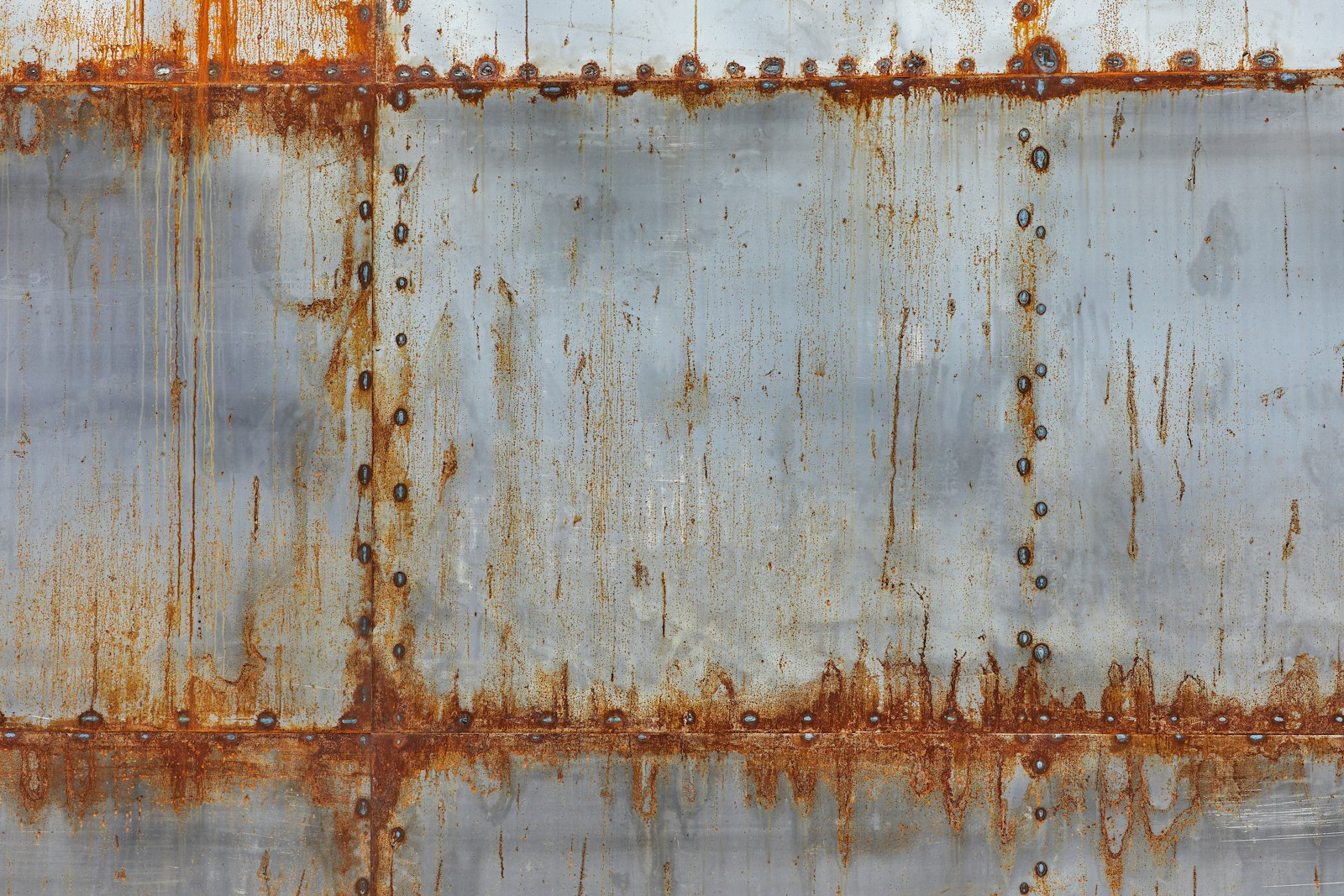
Rust Streaks
Reddish or brown lines may appear at the ends of sheets, often starting at overlaps, screw holes or trimmed sections.
Discolouration Or Blistering Paint
The paint near the cut edge may bubble, peel or fade, indicating that corrosion is developing underneath.
Pitting Or Surface Roughness
Small pits or rough spots can feel gritty to the touch, signalling early weakening of the metal.
Darkening Edges
Cut edges that are corroding often darken faster than the rest of the sheet.
Water Retention Or Staining
Moisture collecting along edges or visible staining can indicate areas where corrosion is accelerating.
Identifying these signs early allows you to intervene before structural damage develops.
What Is The Impact Of Cut Edge Corrosion?
Cut edge corrosion affects more than just appearance; if ignored, it can compromise the integrity of your roof.
- Aesthetic damage: Rust and peeling coatings can make roofing look aged and poorly maintained.
- Structural weakening: If left untreated, corrosion gradually thins the steel sheet, reducing its strength and load-bearing capacity.
- Coating failure: Rust can spread beneath the paint system, causing delamination and premature coating breakdown.
- Leakage and moisture ingress: Corrosion near overlaps or fasteners can create gaps that allow water penetration, potentially damaging insulation or the building interior.
How To Treat And Prevent Cut Edge Corrosion
The best way to protect your metal roof is to act quickly and stay proactive. Treating exposed edges and preventing new corrosion go hand in hand.
Safety first: Working on a roof is dangerous. Any inspection or repair work should be carried out safely, in line with the Work at Height Regulations 2005 and HSE guidance, and we recommend using a competent roofing contractor. Take particular care around fragile areas such as rooflights.
Treating Newly Cut Edges
- Use the right cutting tools: Cut sheets with nibblers or shears rather than an angle grinder, and brush any swarf off the sheet surface straight away.
- Clean the cut edge: Remove any dust, dirt or debris from the steel sheet and wipe the edge clean with a dry cloth.
- Apply a protective coating: The type of coating depends on the sheet’s existing coating and the environment. Options include:
- Zinc-rich primers: these protect the steel by corroding first, keeping the metal underneath safe.
- Edge sealers: these form a barrier to keep water and air from reaching the metal.
Always follow manufacturer instructions, as surface preparation and application conditions affect how long the treatment lasts.
Minimise Exposure In Design
Where possible, use trims and flashings to shield cut edges from direct exposure to rain, seal laps, and make sure the roof has enough pitch so water doesn’t sit on the sheets. Ordering sheets cut to length can also reduce the amount of cutting needed on site.
Inspect And Maintain Regularly
Check edges periodically for early signs of rust and reapply protective coatings as needed. Acting immediately after cutting and maintaining protection over time is the easiest way to help keep your roof free from corrosion and extend its lifespan.
How To Repair Cut Edge Corrosion
Where corrosion has already started, the repair needs to go further than cleaning the edge:
- Remove loose rust and coating: Use a wire brush to remove rust and any lifted or flaking coating.
- Clean and degrease: Make sure the area is clean and dry so the treatment can bond properly.
- Prime and seal: Apply a primer and cut edge treatment system suited to the sheet’s coating, following the coating manufacturer’s guidance.
- Replace badly corroded sheets: Where the steel has been significantly weakened, replacing the affected sheets is usually the best option. On larger roofs, a roofing contractor can assess whether treatment or replacement is right.
Metal Roofing Sheets At Cardinal Steels
Cut edge corrosion can shorten your roof’s life, but proper edge protection and quality materials can help prevent rust before it begins.
Cardinal Steel’s precision cut box profile, corrugated, and bespoke sheets are built to last. Explore our range of coatings and finishes today, or contact a member of our friendly team for expert advice on protecting your roofing investment.