
You probably chose a metal roof for your garden shed because it’s tough, weather-resistant and built to last. So, discovering a leak can be pretty confusing. Most shed roof leaks aren’t caused by the metal itself. Instead, they usually come from small issues like loose fixings, worn seals, incorrect panel overlap, corrosion or condensation.
Identifying the source early helps prevent structural damage, mould growth and stored items from becoming damp.In this blog, we’ll explore the main reasons your shed’s metal roof may be leaking and the steps you can take to stop and prevent this in the future. A quick safety note before you start: shed roofs aren’t designed to be walked on. Inspect and work on the roof from a stable stepladder rather than standing on the sheets.
Reasons Why Your Shed’s Roof Is Leaking
1) Loose Or Missing Screws
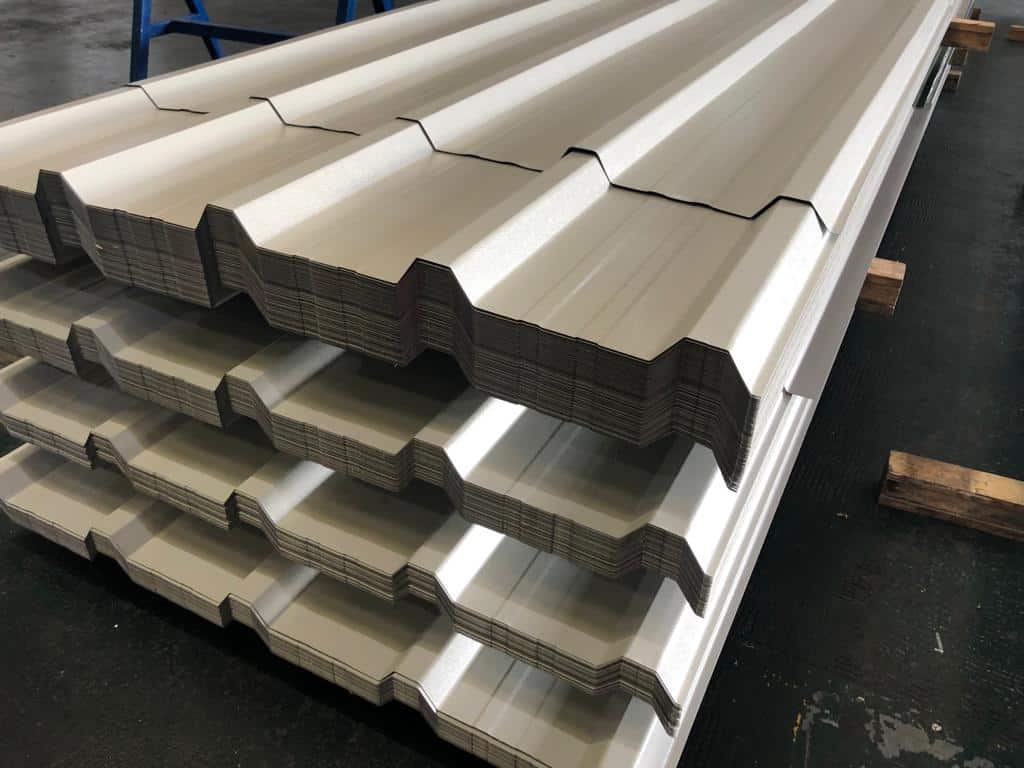
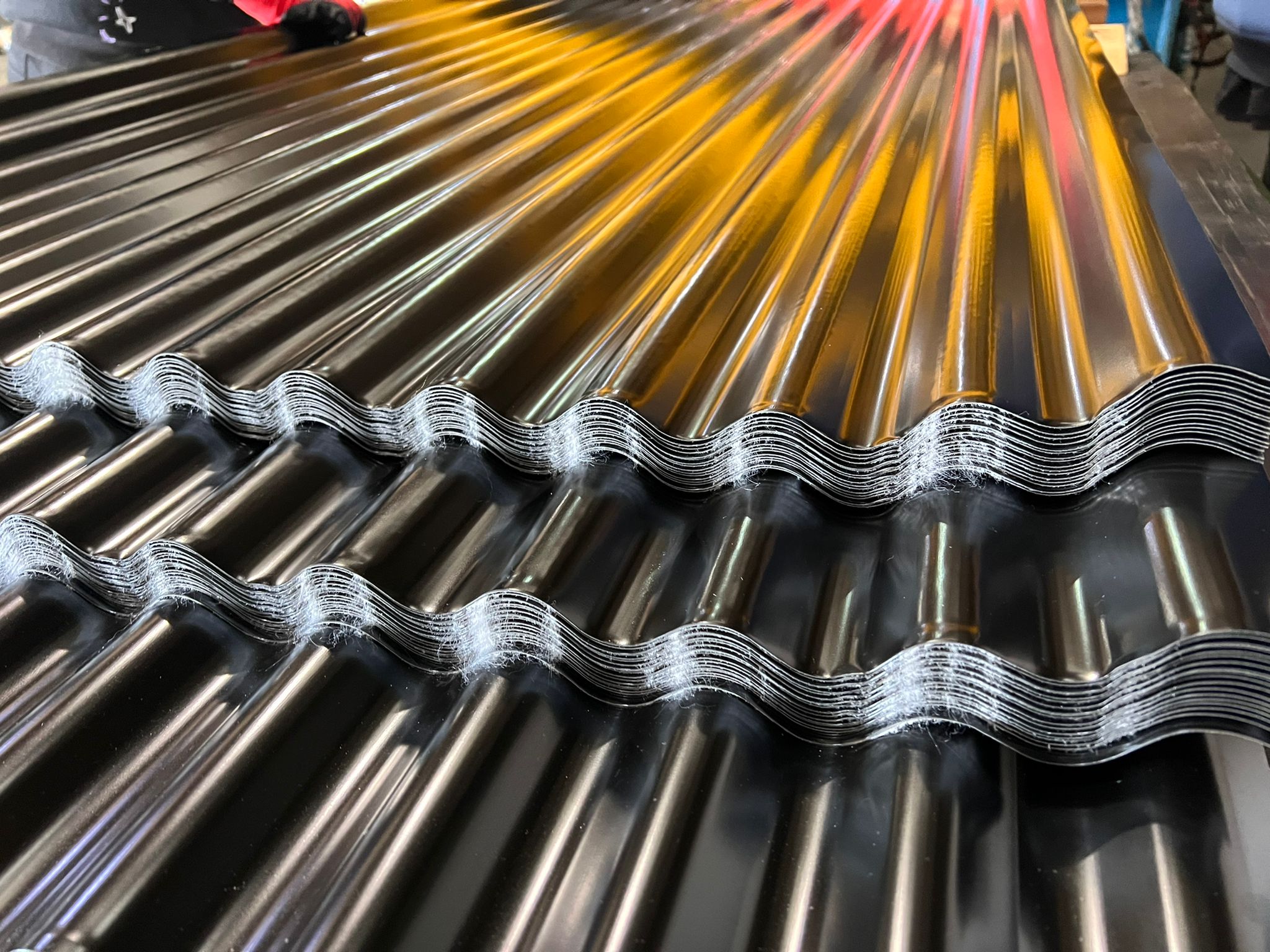
Metal roofing sheets, like box profile or corrugated options, are usually secured with screws or other fixings that have rubber washers to create a watertight seal.
These screws can loosen due to wind, temperature changes or movement in the shed’s structure.
Check for:
- Screws that are raised or missing
- Cracked or worn rubber washers
- Small leaks forming around screw points
To fix this, tighten any loose screws without overtightening them, as this can crush the washer, and replace any damaged ones with roofing fixings that include waterproof washers. If a screw hole has become enlarged, a slightly larger fixing may be needed to get a tight seal.
2) Damaged Or Worn Sealant
Roof sealant is often used along panel seams and edges to keep water out.Over time, exposure to sunlight and weather can cause the sealant to dry out, crack or peel away, allowing rainwater to easily find its way into the shed.
Look for visible gaps or peeling edges along panel joints. Remove the old sealant, clean the area and apply a sealant suitable for metal roofing to restore the waterproof barrier.
3) Incorrect Panel Overlap
Metal roof panels are designed to overlap so rainwater flows down the roof rather than underneath it.
If your shed’s roofing sheets have shifted or were installed incorrectly, water can run beneath them during heavy rain.
The panels may need repositioning or refixing. It’s also worth checking that the roof has enough pitch for the sheet profile, as water can be blown back under the laps on very shallow roofs.
4) Rust Or Corrosion
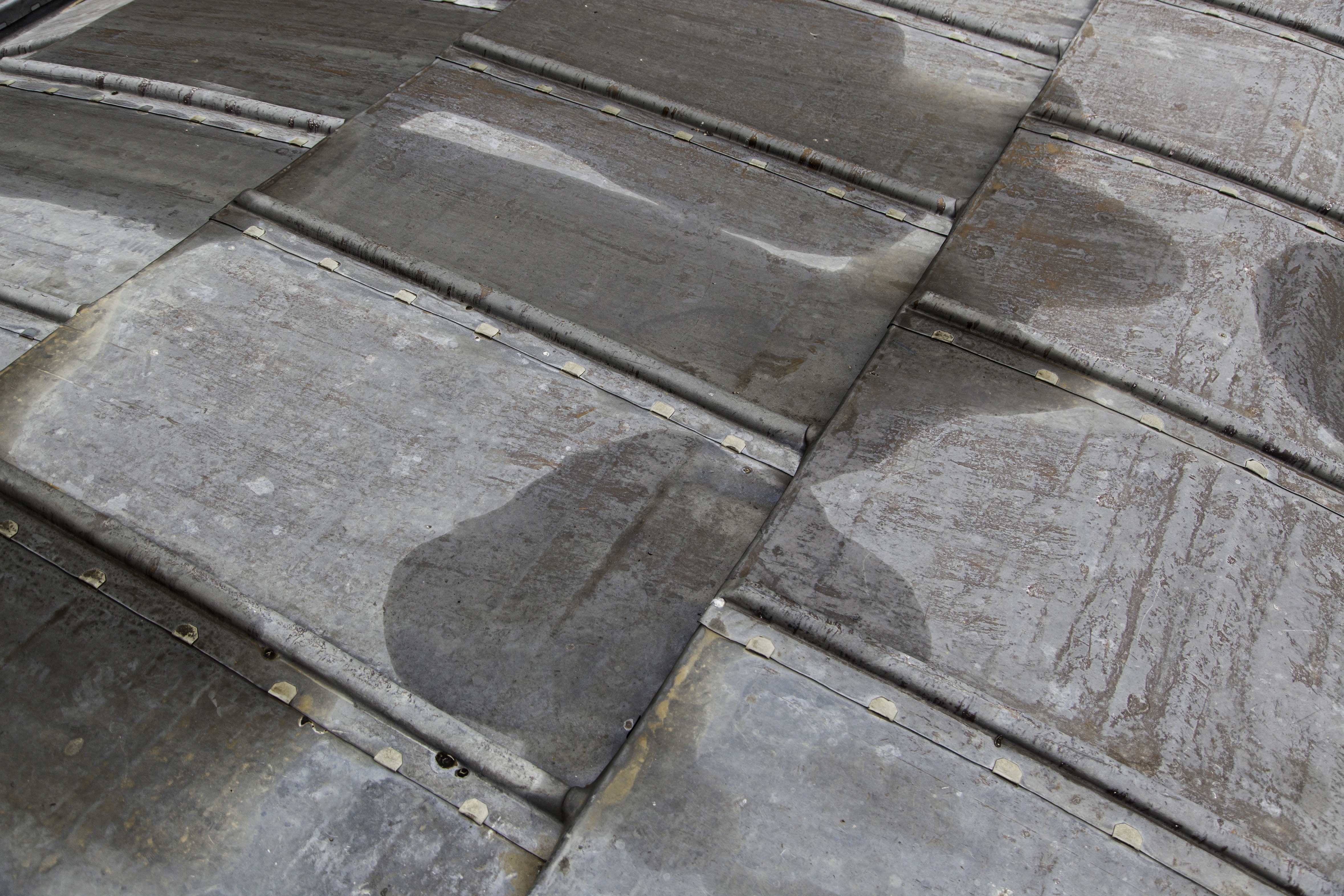
Even though metal roofing is durable, it can eventually rust if the protective coating wears away. This rust can create small holes in roofing sheets, allowing water to drip into the shed.
Rust often starts at the cut edges of the sheets. Our guide to cut edge corrosion explains how to spot and treat it.
When replacing sheets, look for a protective finish such as plastisol, which offers good resistance to corrosion. You can read more in our guide to finishes for metal roofing sheets.
5) Condensation Inside The Shed
Sometimes the problem isn’t even a roof leak at all. Metal roofs can develop condensation when warm air inside the shed meets the cold metal surface. This happens when warm, moist air inside the shed meets the cold underside of the roof, particularly on cold, clear nights.
This forms water droplets which can drip down and look like a leak.
This commonly occurs in:
- Poorly ventilated sheds
- Buildings storing damp equipment
- Cold winter conditions
Anti-condensation roof sheets are a good preventative option, as they stop the moisture that builds up from dripping into your shed.
Read our other blog on what causes condensation under metal roofs and how to stop it.
6) Storm Or Impact Damage
Strong winds, falling branches or hail can dent or puncture metal roofing sheets, creating openings where water can enter.
Damaged panels should be repaired or replaced quickly to prevent further deterioration.
How Can You Prevent Future Shed Roof Leaks?
A little maintenance can go a long way in preventing roof leaks on your shed.
Some simple ways to protect your metal shed roof include:
- Inspecting the roof once or twice a year
- Ensuring the shed has proper ventilation to reduce condensation build-up
- Tightening loose screws before they cause leaks
- Clearing leaves, moss and debris, which hold moisture against the sheets
Regular checks can help you catch small issues before they turn into bigger problems.
When checking or repairing your roof, work from a stable ladder or platform rather than standing on the sheets themselves.
When Should You Replace Shed Roof Sheets?
Replacement is the best option if roofing sheets are:
- Severely corroded
- Warped or punctured
- Repeatedly leaking despite repairs
New steel sheets provide improved durability and weather protection.
Metal Shed Roofing With Cardinal Steels
A leaking shed roof can be frustrating, but by identifying the cause early and carrying out the right repairs, you can often stop the problem before it leads to more serious damage inside your shed.
However, if your roof sheets are badly worn, corroded or beyond repair, replacing them with high-quality, durable steel roofing can provide a more reliable long-term solution. At Cardinal Steels, our shed roofing sheets are strong, long-lasting and built to withstand the UK’s weather.
Available in a range of profiles, with both insulated and anti-condensation options, each sheet is cut to your exact measurements to ensure a secure fit and strong weather protection. If you’re considering upgrading your shed roof, get in touch with our friendly team today to discuss the best metal roofing solution for your project.