
Is your roof in need of replacement, but you don’t want the disruption of builders, disposing of the old roof and leaving your building open to the weather? Roof over cladding could be the answer. Instead of stripping the existing roof, a new insulated steel roof is built over the top, so the building stays weathertight and in use while the work goes on.
In this guide we explain how roof over cladding works, which buildings it suits, what to check before you commit, and when a full replacement is the better option.
What Is Roof Over Cladding?
Roof over cladding is a way of refurbishing a roof by fixing a new outer roof over the existing one. The original covering stays in place and becomes the inner layer of the new roof, with insulation usually added in the gap between the two. You may also see it called overcladding, over-cladding over-sheeting or over roofing, but they all describe the same approach. It’s most common on industrial units, warehouses, farm buildings, workshops and garages with sheeted roofs that are tired, leaking or poorly insulated but still structurally sound.
How a Roof Over Cladding System Goes Together
An over cladding build-up works from the existing roof outwards, with each layer doing a specific job:
- The existing roof stays in place and acts as the liner. Any loose or damaged areas should be repaired first, and moss and debris cleared.
- New supports are fixed over the existing roof to carry the outer sheets. Steel purlins or spacer systems are common on commercial and industrial buildings. The spacing depends on the sheet thickness and the exposure of the site, so follow the sheet manufacturer’s guidance.
- Insulation fills the gap between the old roof and the new one, improving the building’s thermal performance.
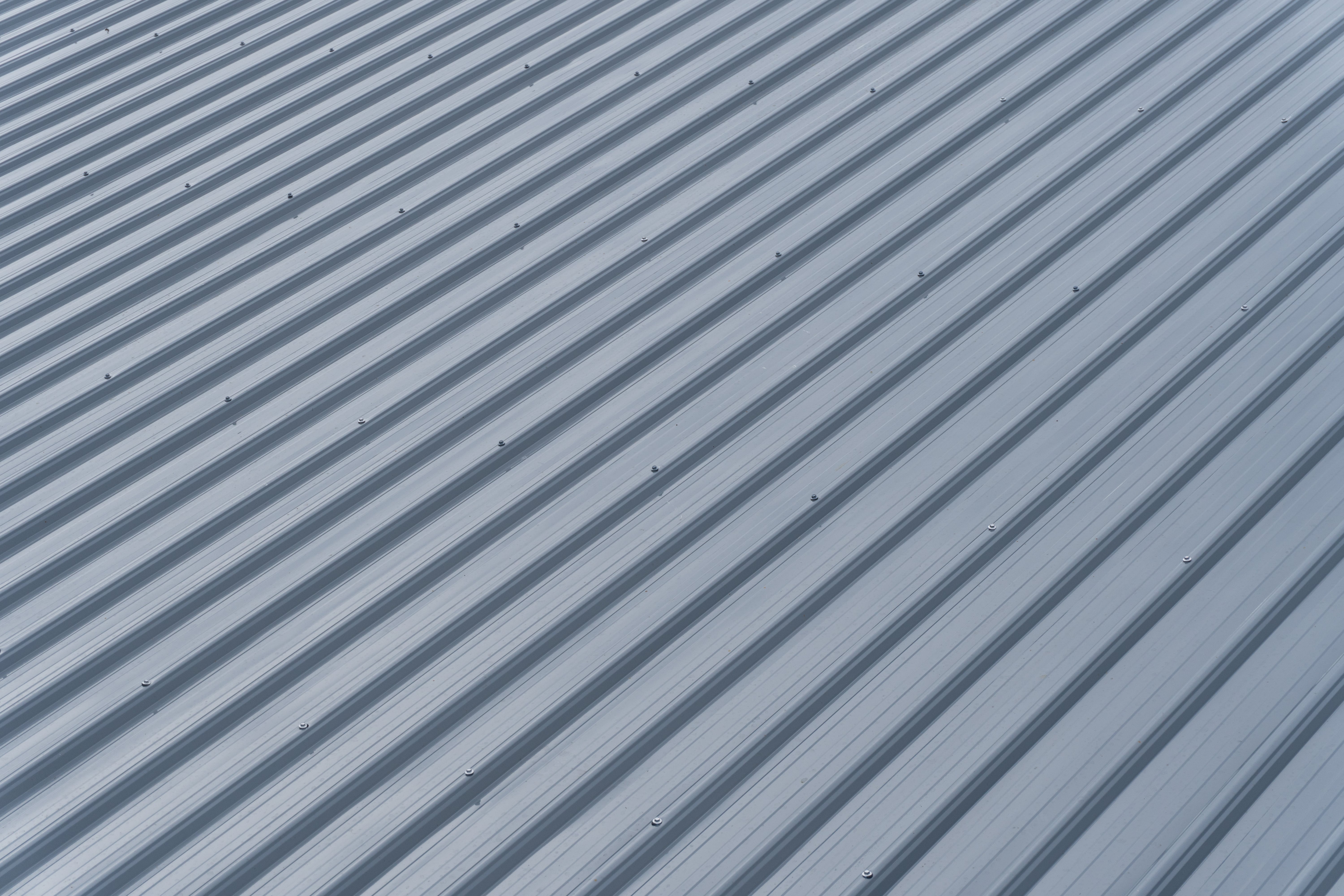
- The new outer roof sheet is fixed to the supports, along with new roof lights, flashings and gutters where needed.
Over Cladding vs Full Roof Replacement
Over cladding is usually the better choice when the building needs to stay in use and the structure underneath is sound.
Full roof replacement is the better choice when the existing roof or frame has failed. Here’s how the two compare:
| Over cladding | Full roof replacement | |
|---|---|---|
| Building in use during works | Usually, as the old roof stays weathertight | Often disrupted, as the roof is open while sheets are replaced |
| Removal and disposal | Little or none | The old roof is stripped and disposed of, adding time and cost |
| Insulation | Added in the gap between the old and new roofs | Only improved if an insulated system is specified |
| Load on the structure | Increases, as a new layer is added | Similar to before, depending on the new system |
| Roof line | Rises, so edges, roof lights and gutters need new details | Stays the same |
| Best suited to | Sound roofs that are leaking, tired or poorly insulated | Roofs or frames that have failed extensively |
Over Cladding Different Types of Roof
Can You Over-Clad an Asbestos Cement Roof?
Yes, and it’s a common reason for choosing over cladding, because the asbestos cement sheets can stay in place rather than being removed. However, fixing the new roof usually involves drilling into the existing sheets, which disturbs the asbestos. Have the roof surveyed before any work starts, and use a contractor experienced in working with asbestos. They’ll follow the relevant regulations and HSE guidance.
Over Cladding an Existing Metal Roof
Over cladding a metal roof with new metal sheets is a straightforward job, provided the existing sheets and purlins are in reasonable condition. Check for corrosion at the fixings, end laps and cut edges, as the new supports need to fix into sound purlins. Older metal roofs often have little or no insulation, so they tend to gain the most from the added insulation layer.
Over Roofing a Flat Roof
A flat roof can be over roofed with a new pitched or low-pitch steel roof, which can also solve problems with ponding water and poor drainage. This needs a new support structure to create the pitch, and the roof sheets must suit the finished pitch. Because the roof line changes noticeably, check with Building Control and, if the building’s appearance changes, your local planning authority.
Over Cladding and Building Regulations
Over cladding a roof often counts as building work, so it’s worth checking with Building Control before work starts. The main areas the regulations cover are:
- Energy efficiency: if the roof sits over a heated space, the new roof may need to meet current insulation standards under Part L.
- Structure: the building must be able to carry the extra weight of the new roof, so a structural check is usually needed.
- Fire safety: the new roof covering must meet the fire performance required for the building.
- Exemptions: some agricultural buildings are exempt, but conditions apply.
The rules may differ in Wales and Scotland, so confirm what applies to your project with Building Control or your installer.
What to Check Before You Start
Over cladding only works if the building underneath is fit for it. Before ordering materials, check the following:
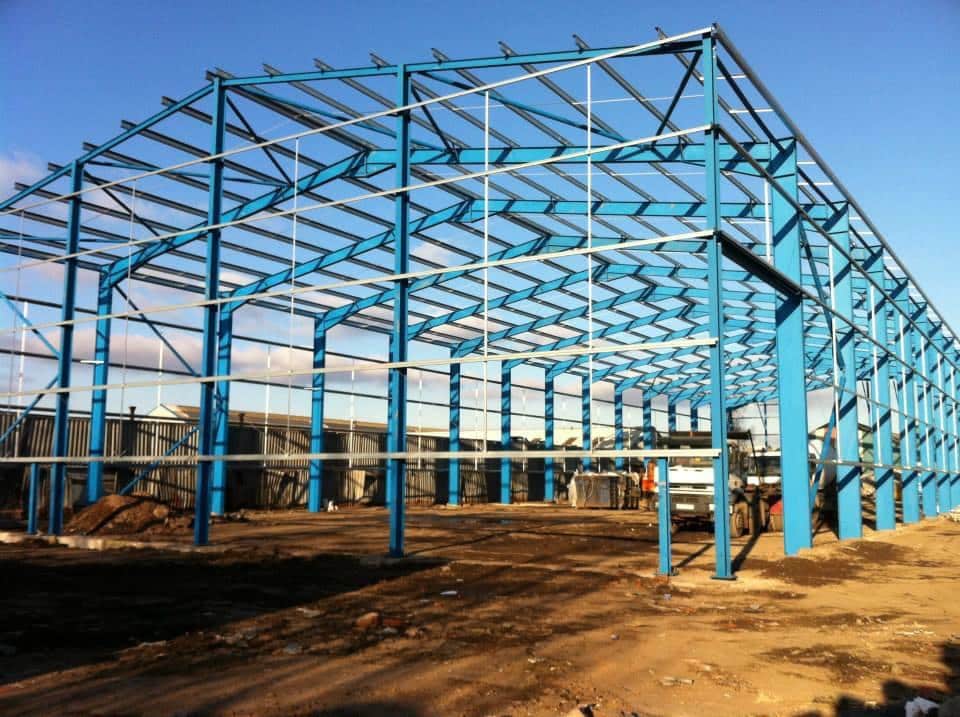
- Structure: make sure the frame and purlins can carry the extra weight of the new roof.
- Roof condition: repair any leaks or damage first, so problems aren’t sealed in.
- Purlins: check for corrosion or damage, as the new supports fix into them.
- Roof lights: existing roof lights will be covered, so plan new GRP roof lights if you need daylight.
- Edges and trims: ridges, verges and eaves need flashings and trims sized for the deeper roof.
- Gutters: the new eaves sit higher, so existing gutters may need replacing with new guttering.
- Condensation: make sure the build-up is designed to control moisture.
- Asbestos: if the existing roof may contain asbestos, have it surveyed before any drilling.
If the checks show the structure can’t take the extra weight, or the roof or frame has failed across most of the building, a full replacement is the better long-term option. Our composite panels and twin skin roofing are both suited to complete re-roofs.
Is Roof Over Cladding Right for Your Building?
Roof over cladding can be a practical way to refurbish a tired or leaking roof without the cost and disruption of stripping it. The building stays weathertight, there’s little waste to dispose of, and adding insulation improves its thermal performance at the same time. It works best on roofs that are structurally sound. If the frame or existing roof has failed, a full replacement is usually the better long-term choice.
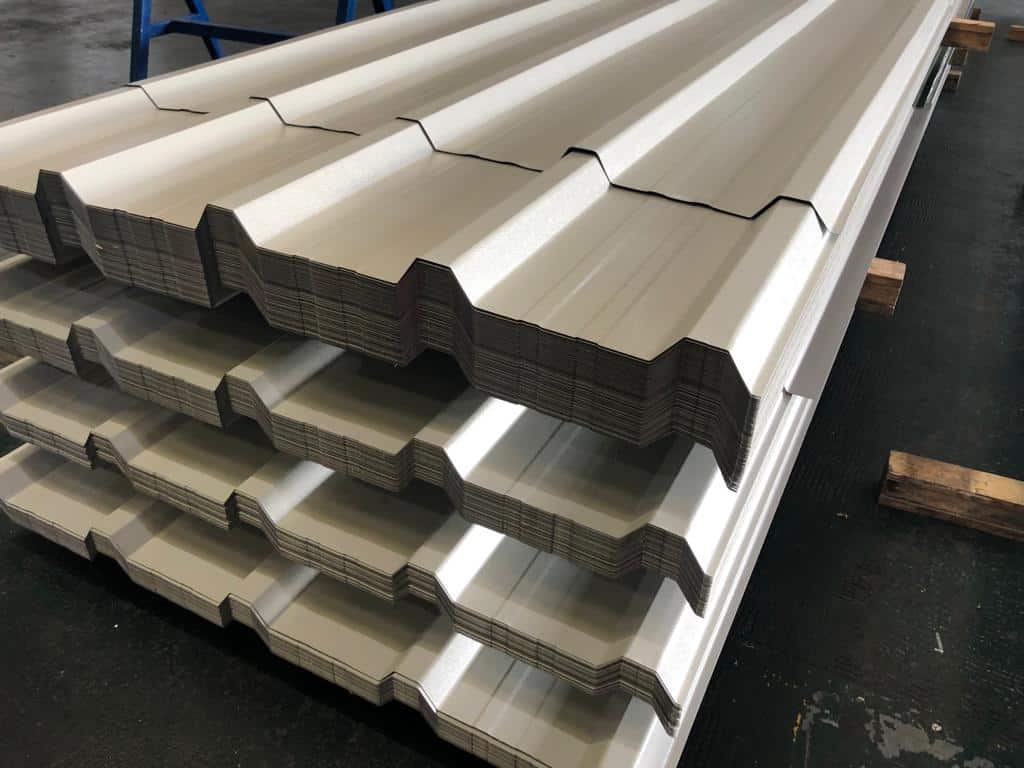
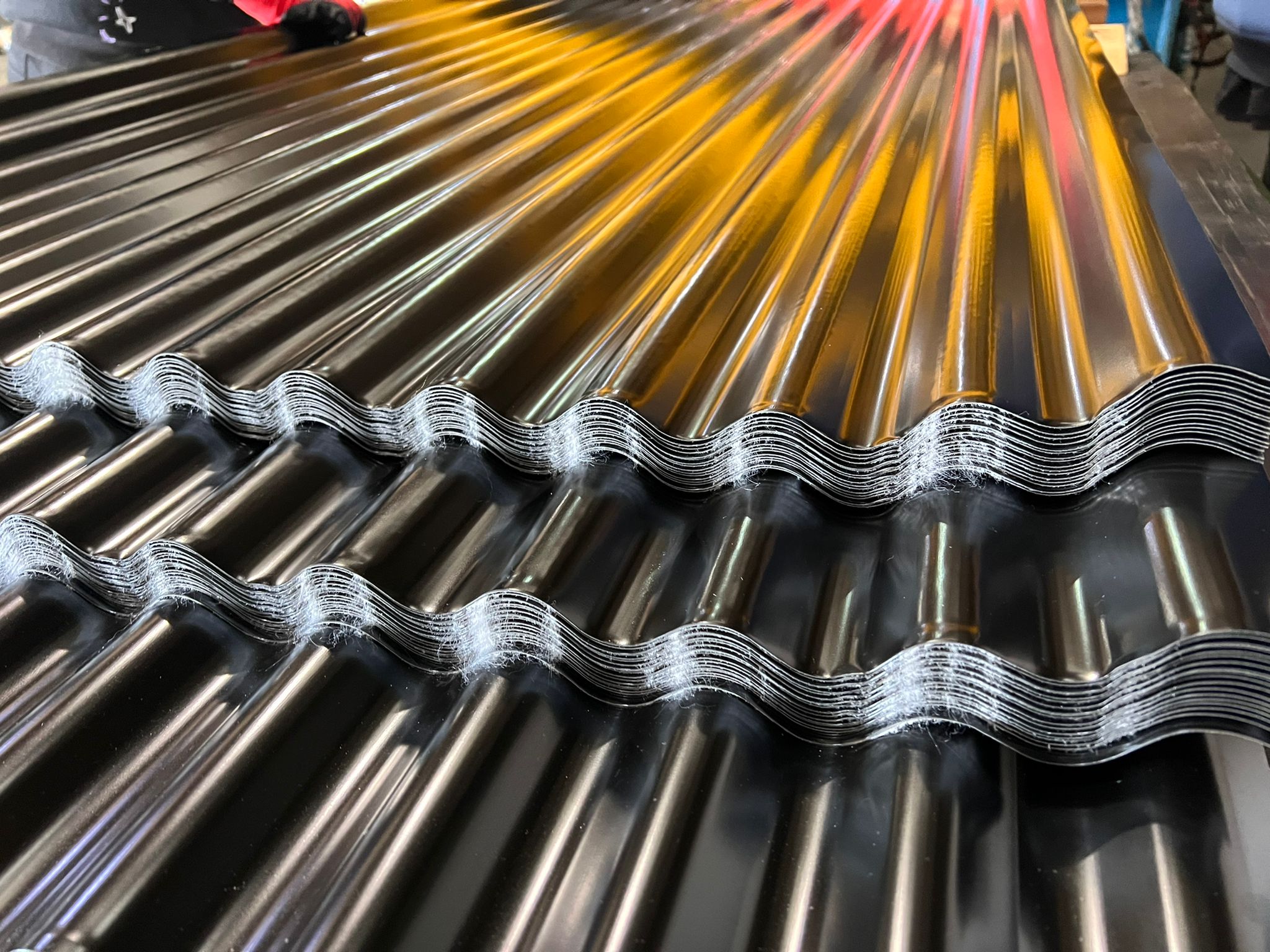
Whichever route you take, we manufacture box profile and corrugated roof sheets cut to size in the West Midlands, alongside roof lights, flashings, fixings and guttering, all delivered nationwide. Get in touch with your roof measurements for a quote, or request free samples to see the finishes and colours.