
What lies beneath your box profile roofing sheets is just as important as the sheets themselves.
A high-quality underlay plays a vital role in protecting your building from condensation, moisture build-up, leaks, heat loss, and even unwanted noise.
From breathable anti-condensation membranes to foam non-breathable underlays and self-adhesive membranes, choosing the right solution depends on how the building is used, its level of ventilation, and the climate it’s exposed to.
In this guide, we’ll explore why roofing underlay is essential for box profile sheets, the different types available, key factors to consider when making your choice, and practical installation tips to help you achieve the best performance.
Why Is Underlay Required Under Box Profile Roof Sheets?
Roofing underlay, also known as a roofing membrane, is a vital component of any box profile roofing system, helping to protect both the building structure and its contents.
While box profile metal sheets are strong and durable, they offer little resistance to condensation on their own.
Here’s why underlay is so important:
Prevents Condensation Build-Up
Steel is an excellent conductor of heat, meaning temperatures across the roof surface can fluctuate significantly between day and night.
When warm, moist air from inside the building comes into contact with the cold steel roofing sheets, condensation forms on the underside of the metal.
This condensation then forms droplets, which can drip onto stored goods, equipment, or the floor below, potentially causing damage over time.
Protects The Roof From Rust And Corrosion
Prolonged exposure to condensation and trapped moisture can accelerate rust and corrosion on box profile roofing sheets, gradually weakening the roof and compromising its structural integrity.
A high-quality roofing underlay for box profile sheets acts as a protective barrier between the metal roof and moisture.
By reducing direct contact with condensation, the underlay helps prevent corrosion and can help extend the lifespan of the roofing system.
Improves Thermal Performance
Certain roofing underlays support insulation performance by limiting moisture-related heat loss.
This improves energy efficiency and helps protect stored materials, equipment, or goods from temperature fluctuations.
Acts As A Secondary Weather Barrier
Most underlays act as a secondary defence against external elements such as wind-driven rain, snow, and dust that may penetrate beneath box profile roofing sheets.
Overall, roofing underlay provides an essential protective barrier, helping to improve durability and extend the life of your roof.
What Types Of Underlay Are Used Under Box Profile Roofing Sheets?
When selecting an underlay for your box profile roof, it’s important to match the membrane to the building’s conditions, levels of roof ventilation and potential moisture challenges.
1) Breathable Anti-Condensation Membranes
This underlay allows moisture vapour to escape from within the building rather than trapping it beneath the roof sheets. This helps reduce condensation build-up within the roof space over time, making it a popular choice for many box profile roofing systems.
Best suited to:
- Well-ventilated agricultural or industrial buildings
- Roofs with insulation and airflow paths
Advantages: The membrane is lightweight and easy to install and works well with ventilated systems.
Limitations: The roof may require additional insulation or ventilation in high-humidity environments.
2) Foam-Backed, Non-Breathable Anti-Condensation Membranes
Also referred to as drip membranes, this type of underlay absorbs condensation that forms on the underside of the box profile sheet.
It features a moisture-control layer that collects condensation droplets while preventing external water from entering the building.
Best suited to:
- Poorly ventilated buildings
- Storage units, garages and workshops
Advantages: This membrane is durable and offers long-term moisture protection.
Limitations: Moisture can become trapped if the ventilation of the roof is not adequate.
3) Self-Adhesive, Peel And Stick Membranes
This underlay features a pre-applied adhesive layer that sticks directly to the roof deck or the underside of box profile panels, forming a tight seal against condensation and moisture.
Best suited to:
- Detailed areas and complex roof junctions
- Retrofit projects
Advantages: This membrane is easy to install, particularly in detailed areas such as edges.
Limitations: Limited adjustment once applied.
Choosing the right type of underlay for your box profile roofing sheets ensures effective moisture control, protects your building, and extends the lifespan of your roof.
How Do You Choose The Right Underlay For A Box Profile Roof?
To get the best performance from your roof, it’s essential to match the underlay to the building’s climate, ventilation, usage, and installation requirements.
Key factors to consider include:
- Roof ventilation: Breathable membranes work best in well-ventilated buildings, allowing moisture to escape. Non-breathable membranes are more suitable for poorly ventilated spaces where drip prevention is critical.
- Building use and internal humidity: Buildings with high internal moisture, such as agricultural barns or industrial workshops, need good ventilation alongside a membrane that manages condensation effectively.
- Roof pitch and profile: Low-pitch roofs are more prone to dripping, as condensation is less likely to run down the sheets towards the eaves. Membrane choice should address this risk.
- Climate and weather exposure: Cold or humid climates increase condensation risk due to temperature differences. Consider membranes with UV resistance for added durability in exposed locations.
- Installation compatibility: Some membranes work best with insulation layers, while others require a ventilation gap. Ensure the underlay you choose does not interfere with thermal performance and effectively manages moisture.
How Should Underlay Be Installed Under Box Profile Sheets?
Correct installation is key to getting the most out of your roofing underlay.
Key Installation Principles
- Lay the membrane from eaves to ridge
- Overlap joints according to manufacturer guidance
- Fix securely and seal, paying attention to edges, ridges or valleys
- Maintain required ventilation paths
Common Installation Errors To Avoid
- Installing the membrane upside down
- Leaving gaps or unsealed laps
- Blocking airflow paths
- Ignoring manufacturer instructions
For complex roofs, professional installation reduces long-term risk.
Access Cardinal Steels’ Installation Guides for advice.
Anti-Condensation Roofing Sheets From Cardinal Steels
Underlay selection should always reflect ventilation levels, internal humidity and roof design.
At Cardinal Steels, we understand the importance of protecting your roof from condensation.
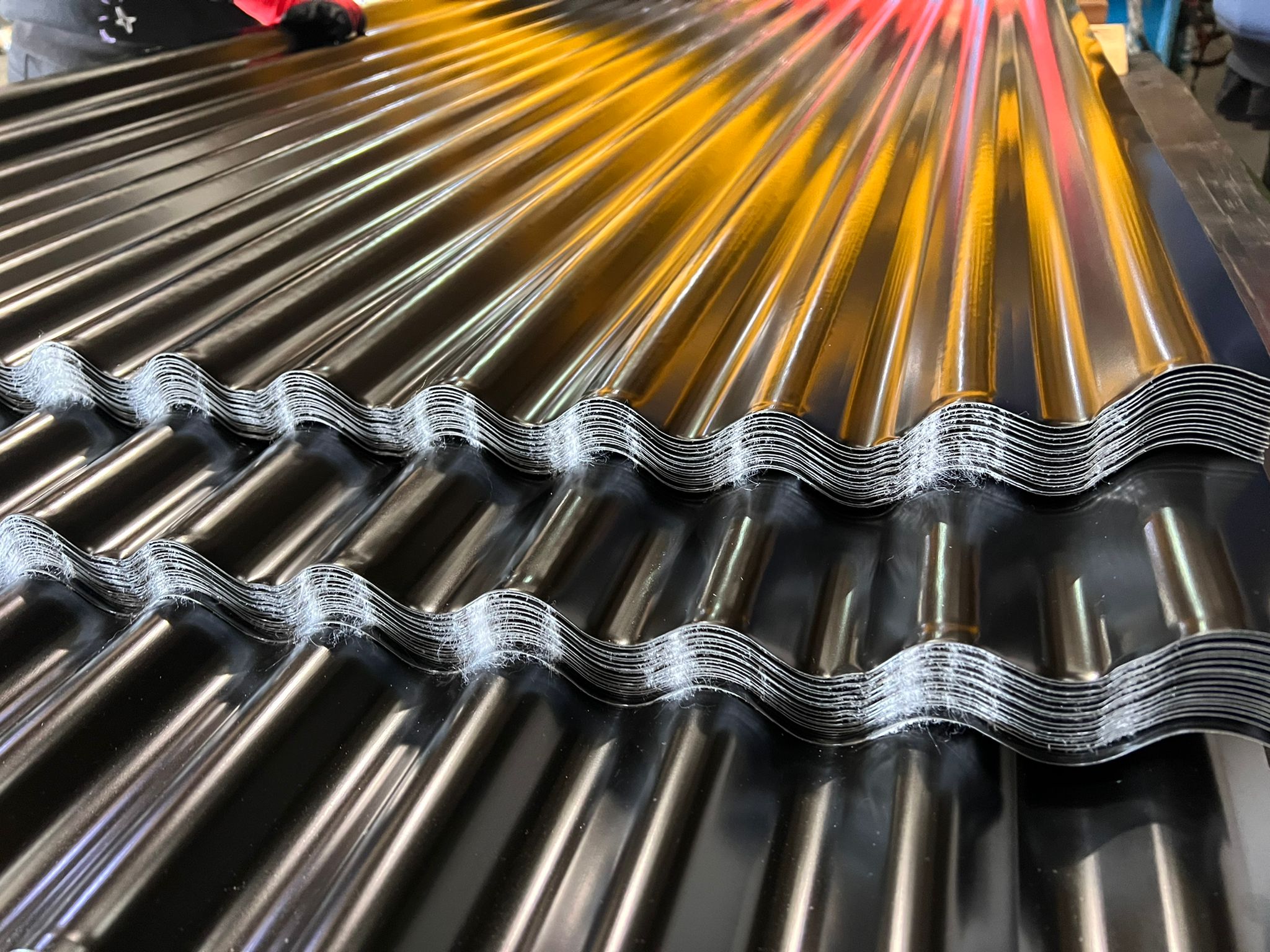
Our anti-condensation roofing sheets feature a factory-applied fleece layer that holds condensation and slowly releases it back into the air, keeping the roof structure dry when used with adequate ventilation.
This removes the need for separate membranes in many roofing applications, reducing installation time and simplifying roofing.
For projects where condensation risk is a concern, anti-condensation roofing sheets offer a practical long-term solution.
Contact our friendly team today for help and guidance on roofing sheets.