
Rust around the screws is one of the most common problems on corrugated metal roofs. It often starts small, with a few orange spots or streaks. Left alone, it can lead to leaks, loose fixings and sheets that start to lift.
The good news is that most of it can be prevented with the right fixings, careful installation and the occasional check. Here’s what causes it and how to stop it.
What Are Corrugated Roof Sheets And Fasteners?
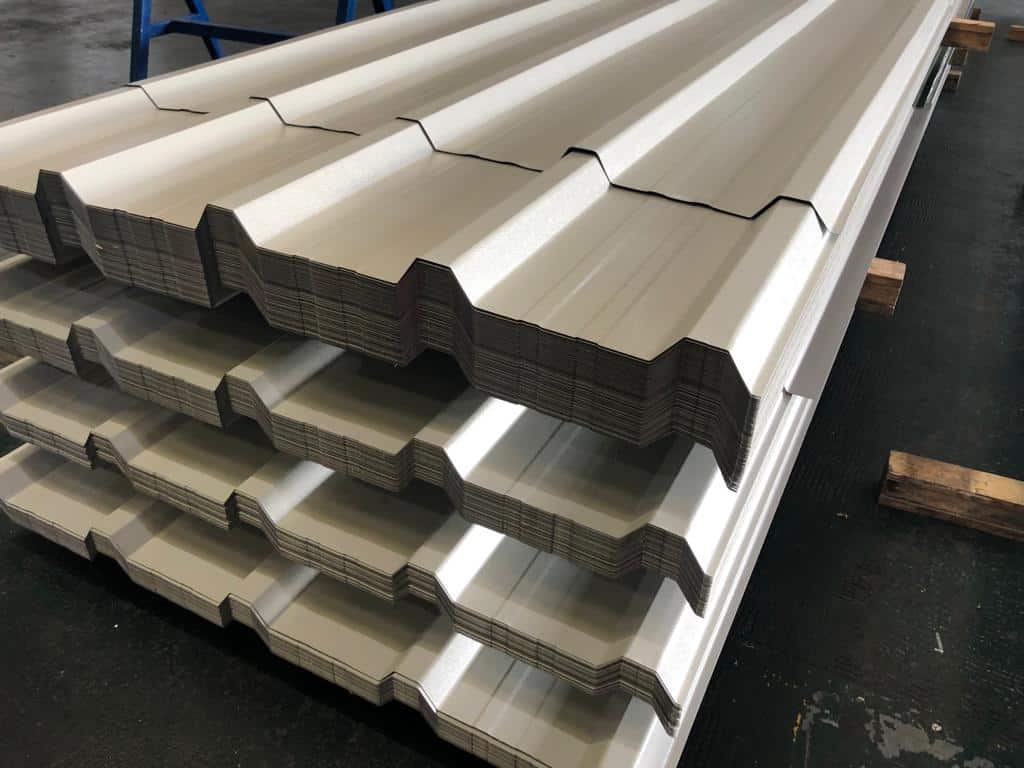
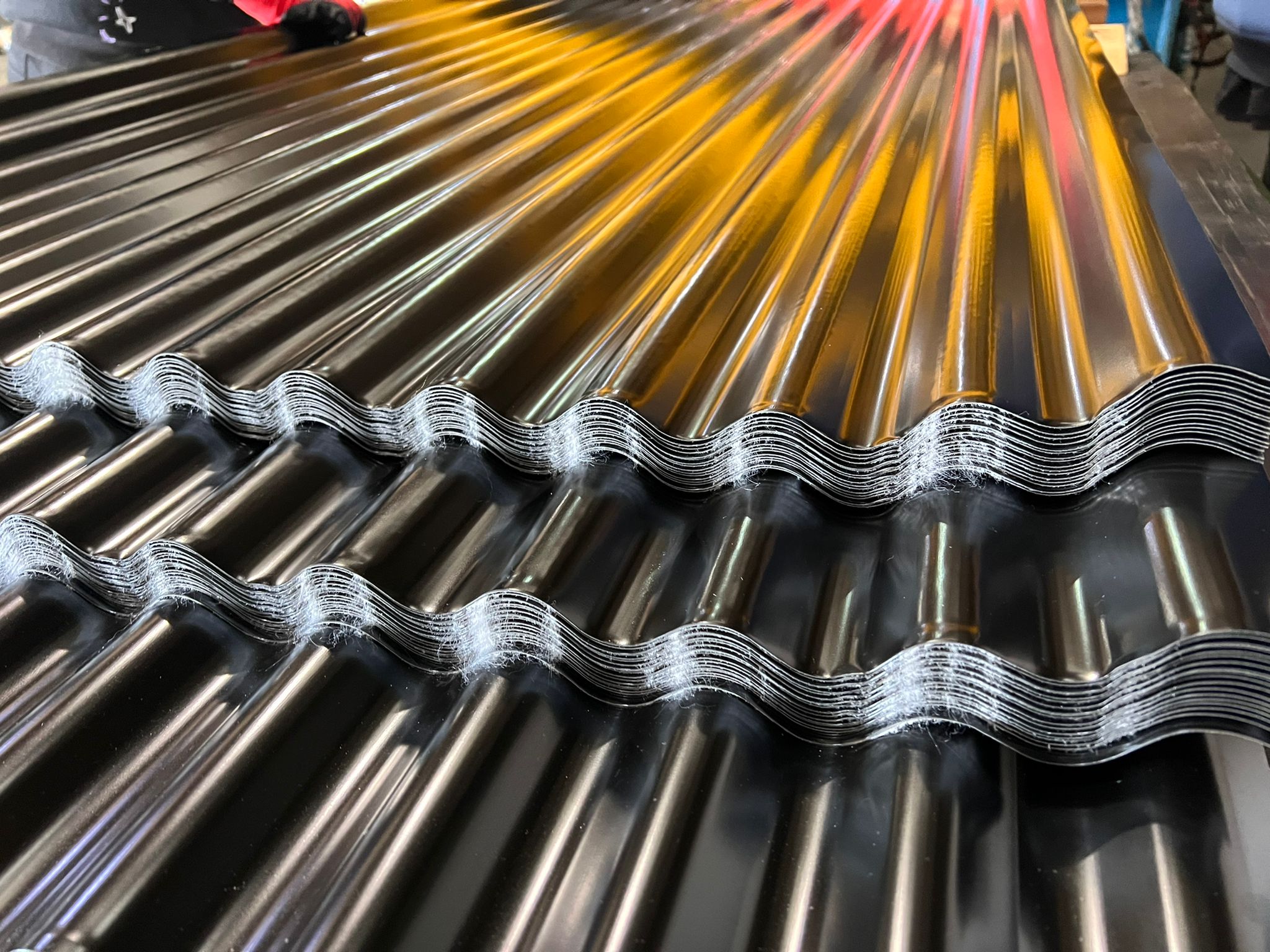
Corrugated roof sheets have a wavy profile that gives them strength and rigidity. They’re a popular choice for agricultural buildings, stores and workshops.
Our corrugated sheets are made in a 13.5/3 profile and come in galvanised, polyester or plastisol coatings.
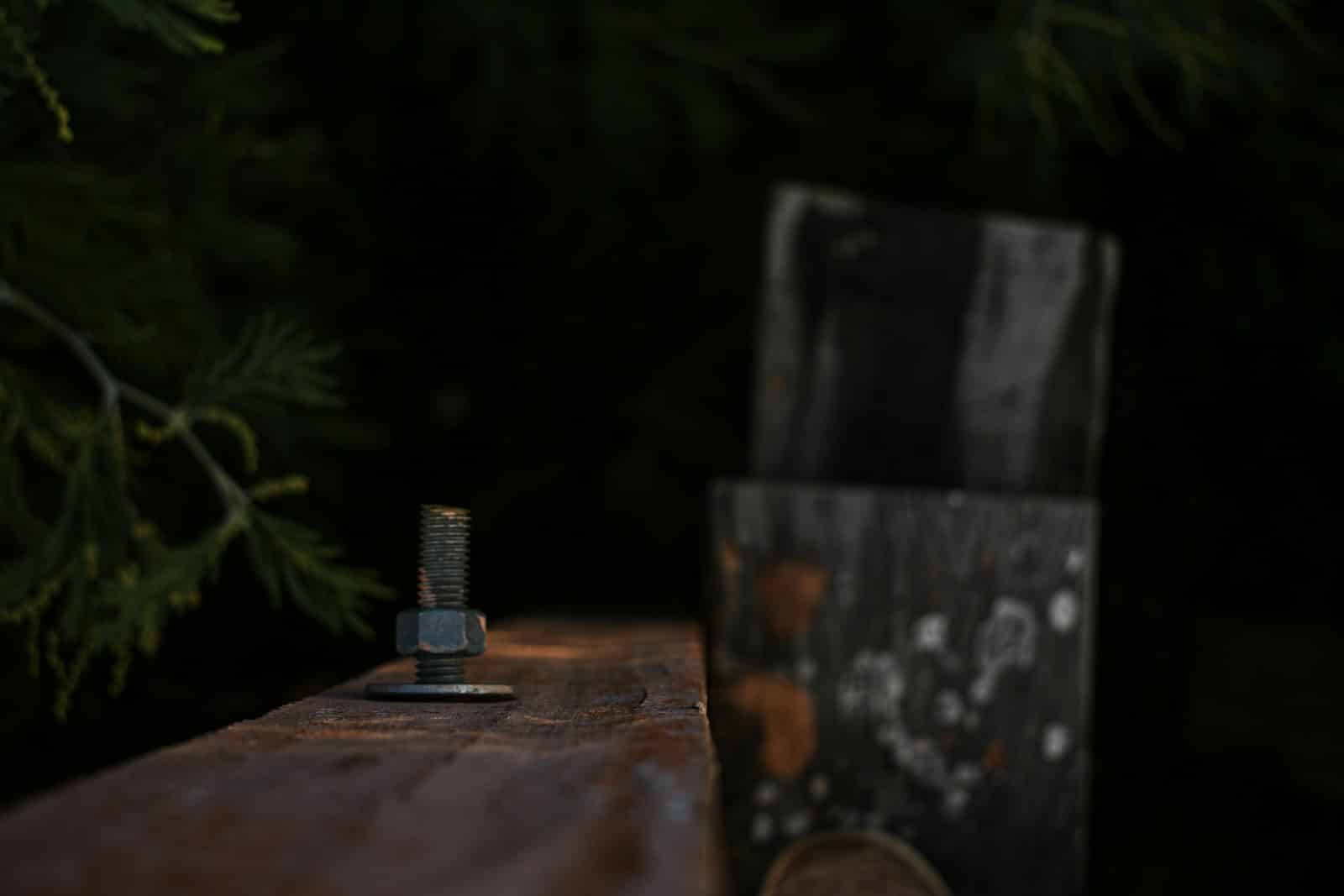
The fasteners hold the sheets to the roof structure. They stop the sheets moving or lifting in the wind and seal each fixing hole against rain. On most metal roofs that means self-drilling Tek screws, each fitted with a sealing washer under the head and finished with a colour-matched screw cap.
What Causes Fasteners To Rust?
Failed Washers
The washer under the screw head is what keeps water out of the fixing hole. If it’s damaged, worn or fitted incorrectly, rainwater can get in and sit around the screw. Constant damp leads to rust on the screw and around the hole in the sheet.
Washers often fail because the screw was:
- overtightened, which squashes or splits the washer
- undertightened, which leaves the washer loose so it can’t seal
- driven in at an angle, which leaves a gap on one side
Weather And UV Exposure
Over the years, sunlight and changes in temperature can make washers harden, crack or shrink. Once that happens, the seal starts to fail and water can find its way in.
Damaged Screw Coatings
Roofing screws have a protective coating. If it gets scratched by tools during installation, the bare steel underneath is exposed to air and moisture, and rust can start from there.
Swarf Left On The Roof
Drilling through metal sheets creates swarf, the tiny metal filings left behind on the surface. If it isn’t swept off, it rusts quickly and leaves orange spots and streaks around the fixings. It can also damage the sheet’s coating and lead to corrosion of the sheet itself.
The Wrong Screws
General-purpose screws aren’t designed to cope with the weather on a roof. Using screws that aren’t meant for roofing, or that don’t suit the sheets and structure, makes early rust much more likely.
How To Prevent Rust Under Fasteners
Use The Right Fixings
Choose roofing screws designed for your sheets and the structure you’re fixing into. We supply wood Tek screws for timber purlins, light metal Teks for cold-rolled purlins and rails, and heavy metal Teks for heavier steel sections. For buildings in coastal areas or near chemicals, ask about fixings designed for more corrosive environments.
Tighten Screws Correctly
Drive each screw straight and stop once the washer is snug against the sheet and just starting to spread. It shouldn’t be squashed flat or bulging out from under the head. A screw gun with a depth setting or clutch makes this much easier to get right.
Clear Away Swarf
Sweep or brush swarf off the roof as you go and again when the job is finished. It’s a five-minute task that can save a lot of unsightly rust spots later.
Fit Screw Caps
Colour-matched screw caps cover the screw heads, giving them extra protection from the weather and a neater finish.
Inspect Your Roof Regularly
Check your fixings once or twice a year and after any severe weather. Look for rust spots, loose screws or cracked washers, and replace any that look worn. Catching a problem early is far cheaper than repairing leaks or replacing sheets.
Keeping Your Roof In Good Shape
Rust under fasteners is common, but it’s rarely inevitable. Using the right fixings, fitting them carefully, clearing up swarf and checking the roof now and then will go a long way to keeping your roof sound.
We supply a full range of roof fixings, including Tek screws, screw caps, stitchers and foam fillers. If you’re not sure what you need for your project, get in touch with our team.