
If you’ve ever seen water dripping from the underside of a metal roof on a cold morning, you’ve seen the effects of cold bridging. It’s a common problem on single skin roofs. Left alone, it can lead to damp, mould, corrosion and a lot of wasted heat.
The good news is there are several ways to tackle it, from small fixes to a full roof upgrade. Here’s what causes it and what you can do about it.
What Are Single Skin Metal Roof Sheets?
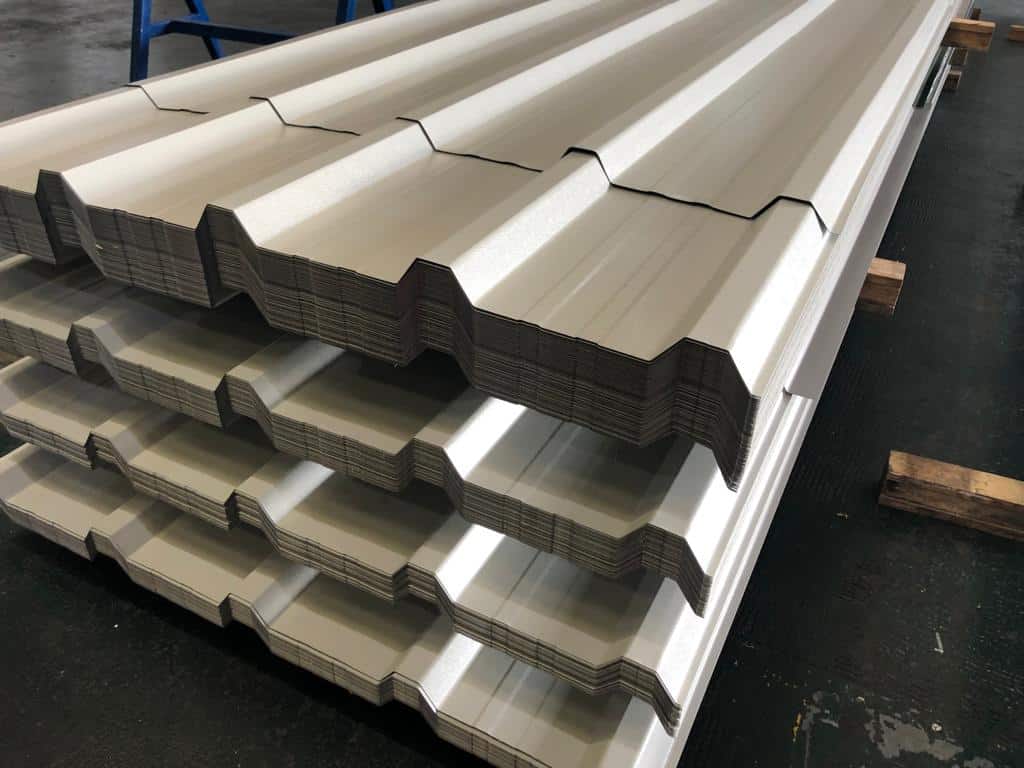
Single skin roof sheets are just one layer of metal with no insulation built in. They form the weatherproof outer layer of a building and usually come in corrugated or box profile designs. They’re popular for agricultural buildings, stores and workshops because they’re tough and cost-effective.
What Is Cold Bridging?
Cold bridging (also called thermal bridging) is when heat finds an easy path through a building’s structure. Metal conducts heat very well, so wherever metal runs from the warm inside of a building to the cold outside, heat escapes through it.
Those paths create cold spots on the inside surface. That’s where condensation tends to form.
What Causes It On Metal Roofs?
The Sheet Itself
A single skin sheet has nothing to slow heat down. On a cold day the whole sheet takes on the outside temperature, so the underside is just as cold as the top. With no insulation or vapour control layer, warm air from inside meets that cold metal directly.
Fixings
Screws, bolts and washers pass straight through the roof into the structure. Each one is a small metal route for heat to escape in winter and enter in summer.
The Building’s Frame
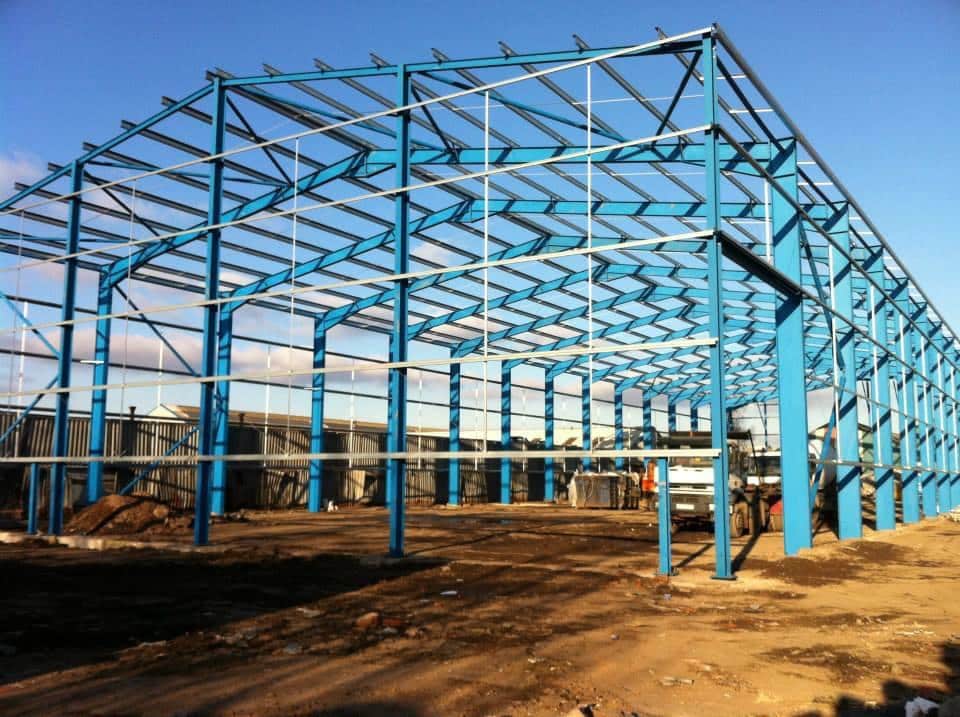
Steel purlins, rafters, beams and wall-to-roof junctions are all highly conductive. Where metal touches metal, heat moves easily between them and cold spots spread deeper into the building.
How Does Cold Bridging Cause Condensation?
Warm indoor air holds moisture. When it touches a surface that’s colder than its dew point, the moisture turns to water droplets. A cold metal roof is the perfect surface for this to happen.
Because the whole underside of a single skin sheet can be cold, condensation can form across large areas and keep coming back. In bad cases it drips onto whatever is below, which is often called “roof rain”.
What Are The Long-Term Effects?
Condensation that keeps coming back means surfaces rarely get the chance to dry out. Over time, moisture can soak into joints and materials. That can lead to:
- corrosion of sheets, fixings and steelwork
- mould growth
- damage to stock, machinery or anything stored underneath
- damp ceilings and timbers
On top of that, a poorly insulated roof means higher heating bills in a heated building.
How To Reduce Cold Bridging
Add Thermal Breaks
A thermal break is a layer of low-conductivity material placed between metal parts to interrupt the flow of heat. Common options include:
- foam or rubber thermal tape
- nylon or polymer insulating washers and spacers
- rigid plastic or rubber thermal pads and strips
These won’t solve the problem on their own, but they reduce heat loss at fixings and contact points.
Improve Ventilation
Good airflow carries moist air away before it can condense. Ridge vents, eaves vents or extractor fans all help to lower humidity under the roof.
Use Anti-Condensation Roof Sheets
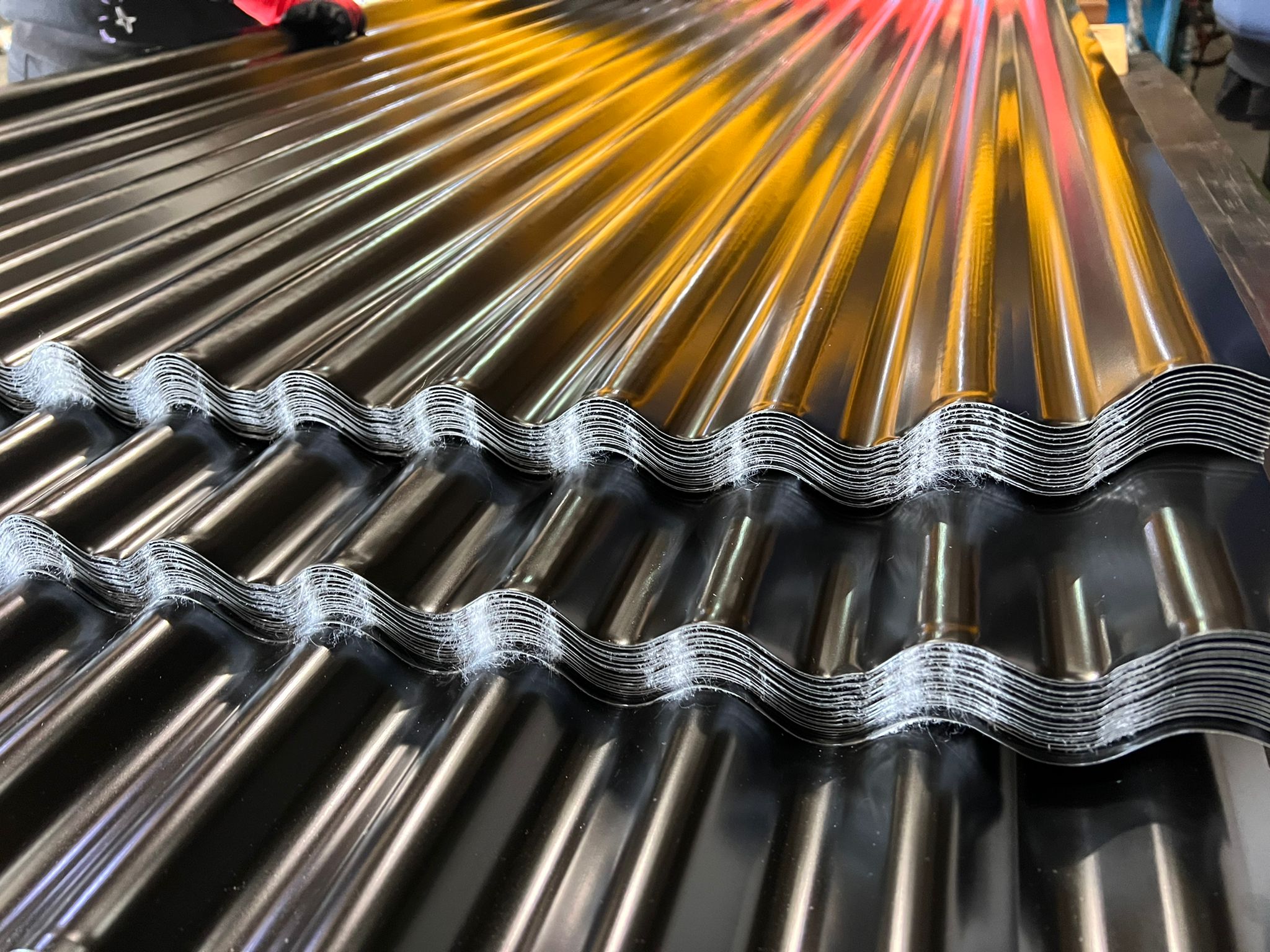
If you’re replacing uninsulated sheets, anti-condensation roof sheets are worth considering. They have a polyester fleece bonded to the underside that holds moisture when condensation forms and releases it back into the air as the temperature rises. That means far less dripping onto whatever is below.
For the fleece to work, the building needs enough ventilation for the moisture to evaporate. The backing is available on our 32/1000 box profile and corrugated sheets in polyester or plastisol finishes, but not on galvanised sheets.
Switch To Insulated Roof Panels
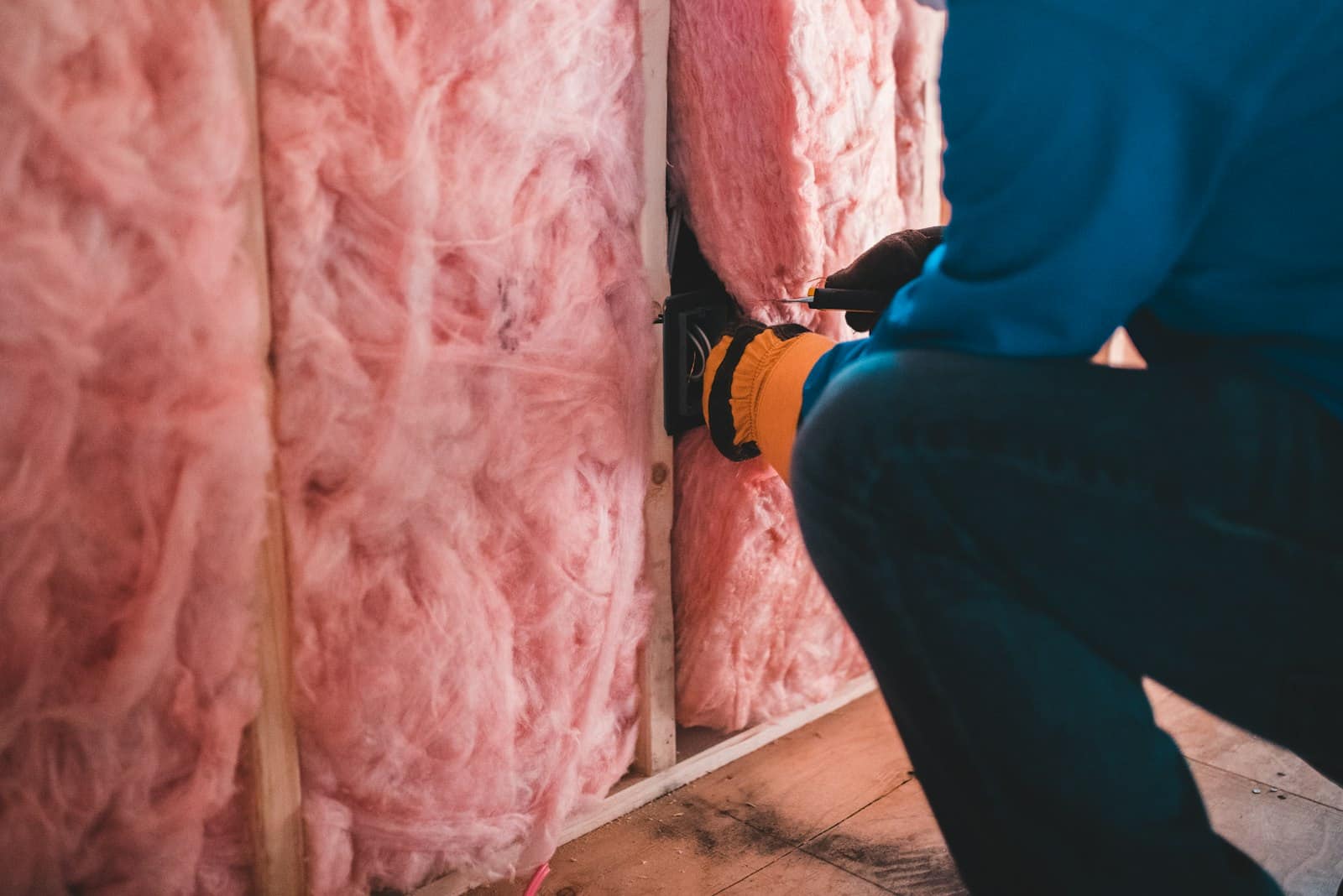
For heated buildings, insulated roofing gives the biggest improvement, although it costs the most. Composite and twin skin systems have a layer of insulation between the outer and inner sheets, while overcladding adds insulation over your existing roof. Either way, the inside surface stays warmer and condensation is much less likely to form.
If you’re re-roofing a heated building, the new roof may need to meet the thermal requirements of Building Regulations Part L. Check with your building control body before you start.
Choosing The Right Fix
The best solution depends on your building and how you use it. For an unheated building, better ventilation and anti-condensation sheets may be enough. For a heated workshop or commercial unit, insulated panels are usually the better long-term choice.
We supply a range of insulated roof sheets, including composite panels, twin skin roofing and overcladding systems. If you’re not sure which suits your project, get in touch and our team will talk you through the options.