
As temperatures rise during the warmer months, agricultural buildings such as barns and stables can quickly become prone to overheating. Large roof areas exposed to direct sunlight often lead to heat build-up, particularly in buildings fitted with poorly designed or uninsulated roofing.
Keeping agricultural buildings cool in warm weather is essential for reducing the risk of heat stress in livestock and maintaining a more stable internal environment. The good news is that with the right roofing solution, including insulated steel roofing sheet and good ventilation, it’s possible to reduce heat gain and improve temperature control throughout the warmer months.
In this article, we explain why choosing the right roofing sheets for barns and stables is so important, including the role of insulation, airflow and roofing finishes in preventing overheating.
Why Do Agricultural Buildings Overheat?
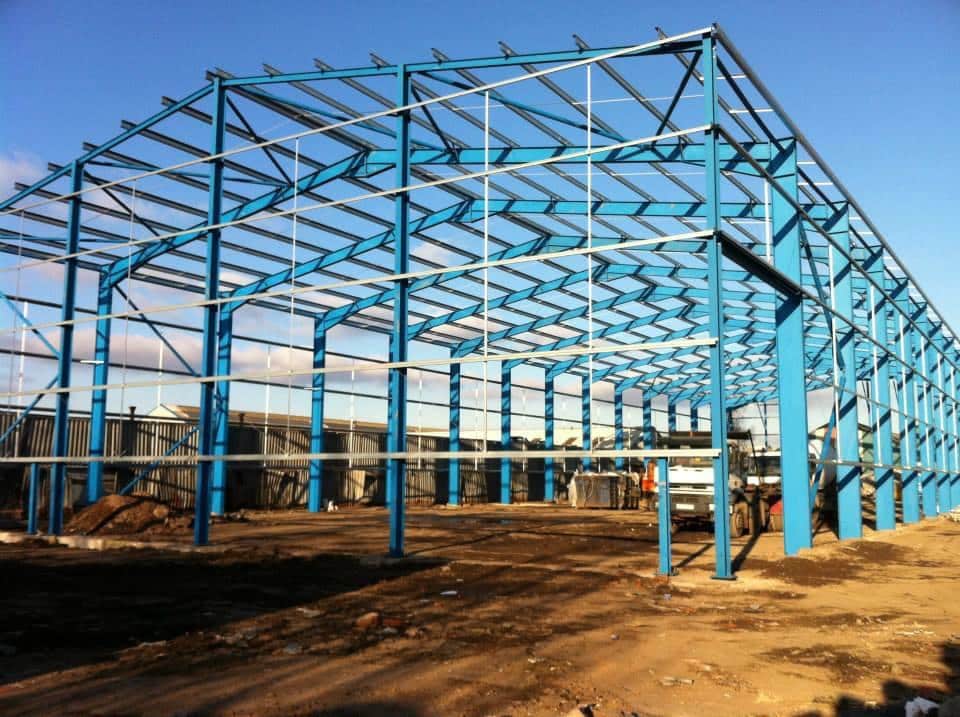
Overheating in agricultural buildings usually comes down to how the building is designed and ventilated, rather than the roofing material itself. Large roof spans exposed to direct sunlight absorb and transfer heat into the building, particularly during prolonged periods of warm weather.
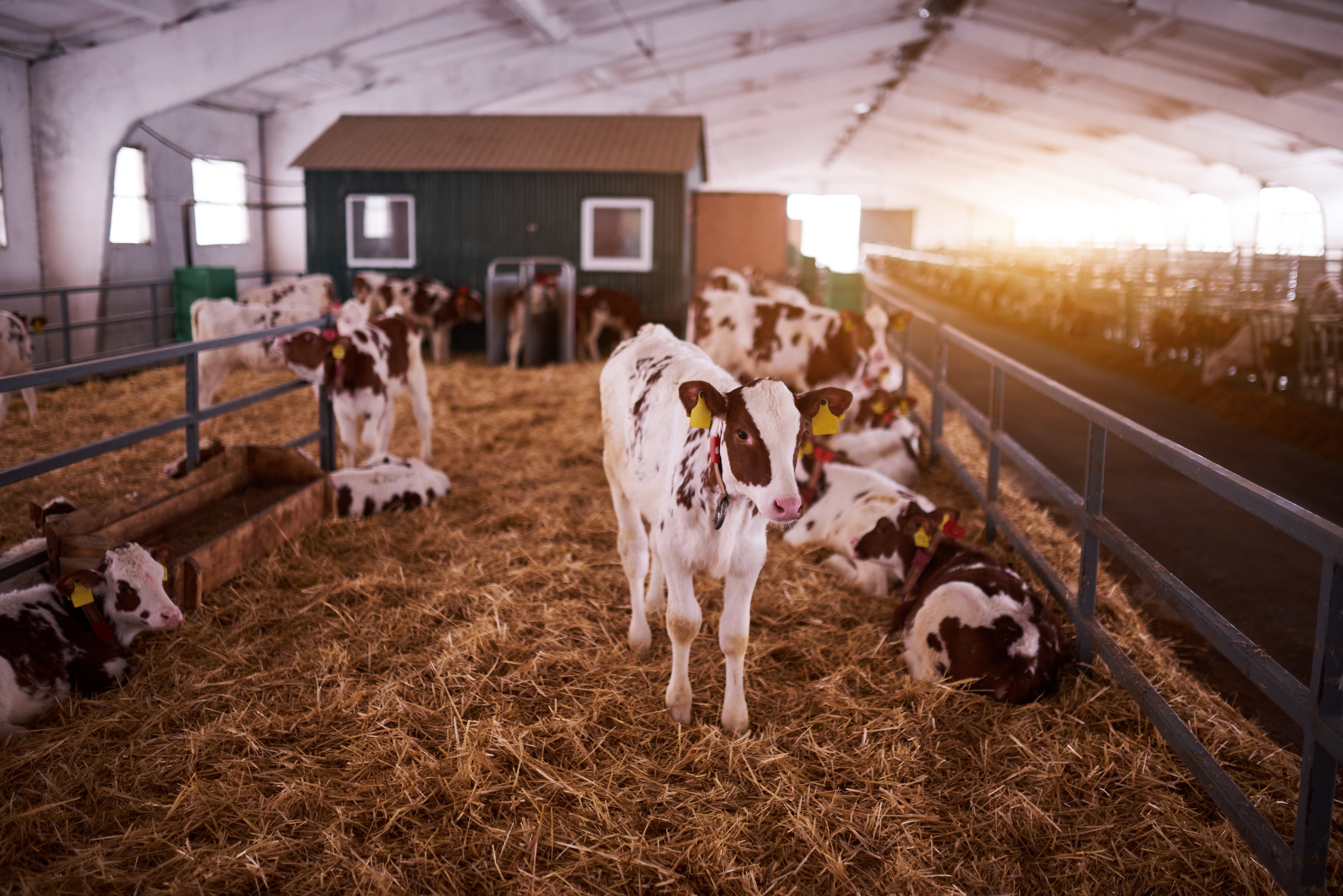
In livestock buildings, the animals also give off a large amount of heat and moisture. The more animals housed in the building, the more heat there is to remove.
Without sufficient ventilation, this heat becomes trapped beneath the roof as warm air rises and accumulates, causing internal temperatures to increase rapidly.
This affects:
- Livestock comfort and welfare
- Stored materials and equipment
- Overall building performance
How The Right Roofing Can Reduce Heat Build-Up
When it comes to protecting your livestock and agricultural equipment, the roofing system should be carefully designed to regulate internal temperatures. Rather than relying on a single solution, effective heat control is achieved through a combination of insulation, airflow and appropriate roofing materials. In livestock buildings in particular, good ventilation should always be part of the design.
Insulated Roofing Sheets
One of the most effective, long-term solutions for keeping your barn cool during the warmer months is to use insulated steel roofing sheets.
These systems typically consist of:
- An external steel sheet
- An insulation core
- An internal liner sheet
The insulation layer slows down heat transfer, helping to keep the building cooler in the warmer months and warmer in winter.
Options such as composite panels and twin skin roofing systems are designed to improve thermal performance, making them well suited to larger or more exposed agricultural buildings.
In livestock buildings, insulation should always be paired with good ventilation. Insulation slows heat coming through the roof, but it can also hold in the heat that animals produce if that warm air has no way to escape.
Benefits of insulated roofing sheets
Insulated roofing sheets offer several advantages for agricultural buildings:
- Improved temperature control: Helps keep barns and stables cooler in the warmer months and reduces temperature fluctuations.
- Reduced risk of heat stress for livestock: More stable conditions can help support animal welfare and overall productivity.
- Lower condensation risk: Helps limit moisture build-up beneath the roof.
- Protection for stored goods and equipment: Helps reduce exposure to heat-related damage.
- Long-term durability: Designed to perform reliably in demanding agricultural environments.
Adequate Roofing Ventilation
While insulation helps reduce the amount of heat entering an agricultural building, ventilation plays a key role in removing heat that builds up inside. As warm air rises, it naturally collects beneath the roof. Without adequate airflow, this heat becomes trapped, causing internal temperatures to increase throughout the day.
Ventilated roofing designs allow this warm air to escape, helping to regulate internal temperatures and improve overall comfort. Features such as ridge vents or open-sided structures can improve airflow and reduce heat build-up under the roof.
For livestock buildings, effective ventilation is essential for maintaining a more comfortable environment and reducing heat stress during the warmer months. A well-insulated building that lacks ventilation can trap moisture and become humid, which may affect animal health.
For the best results, ventilation should always be used alongside insulated roofing. Together, they help reduce heat entering the building while allowing excess heat to escape. As every livestock building is different, we recommend seeking advice from a vet or livestock housing specialist when planning ventilation and temperature control.
Roof Lights
Clear rooflights bring natural light into the building, but they also let in the sun’s heat. Getting the number and position of rooflights right helps to balance daylight with heat gain, particularly on south-facing roof slopes.
Roofing Finishes And Coatings
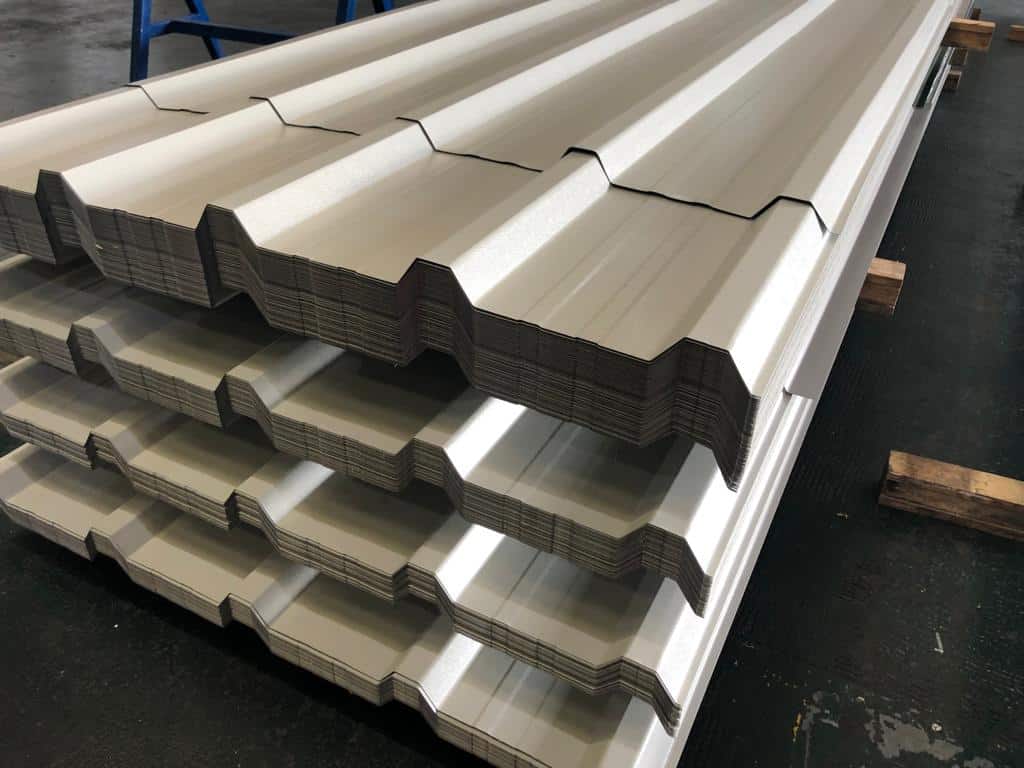
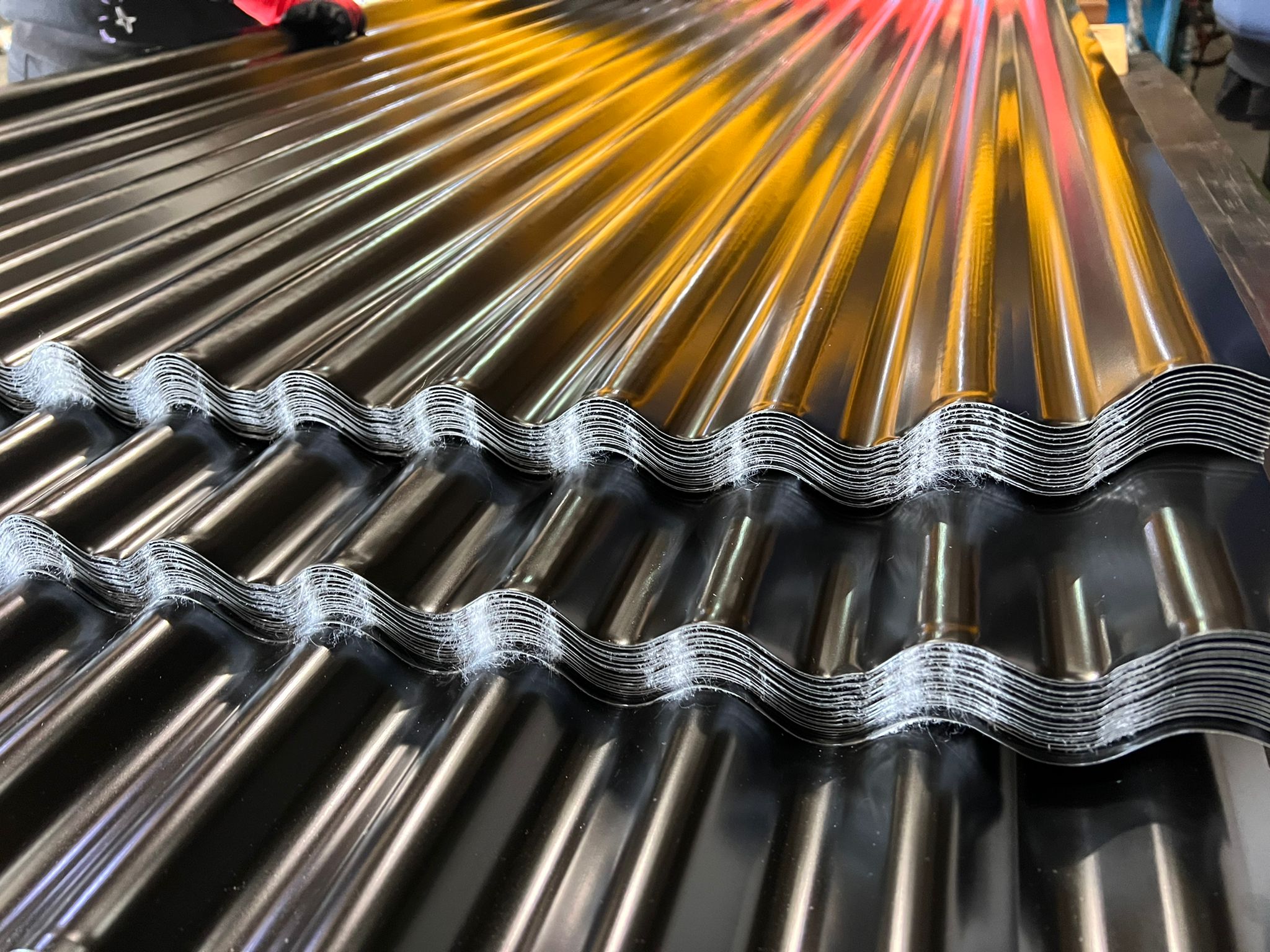
The finish of a steel roofing system can also play a supporting role in reducing heat build-up in agricultural buildings. Lighter-coloured steel roofing sheets and coated finishes can help reduce the amount of heat absorbed from direct sunlight.
By reflecting more solar radiation away from the surface, they can slightly reduce roof temperatures and contribute to a cooler internal environment. However, finishes and coatings should be seen as a complementary measure rather than a standalone solution.
Why A Combined Roofing Solution Works Best
The most effective way to prevent overheating in agricultural buildings is to use a combined roofing approach. This means bringing together:
- Insulated roofing sheets to reduce the heat entering the building
- Good ventilation to let warm air escape
- Lighter finishes and well-planned rooflights to limit solar heat gain
When used together, these elements create a balanced roofing system that helps regulate internal temperatures more effectively throughout the warmer months.
This is particularly important in barns and agricultural buildings where livestock comfort, productivity and storage conditions all depend on a stable internal environment. Read our blog on why steel sheets are used on agricultural buildings.
Find The Right Roofing Solution For Your Agricultural Building
At Cardinal Steels, we supply a wide range of barn roof sheets and roofing sheets for stables, including insulated options designed to help improve temperature control, durability and overall building performance.