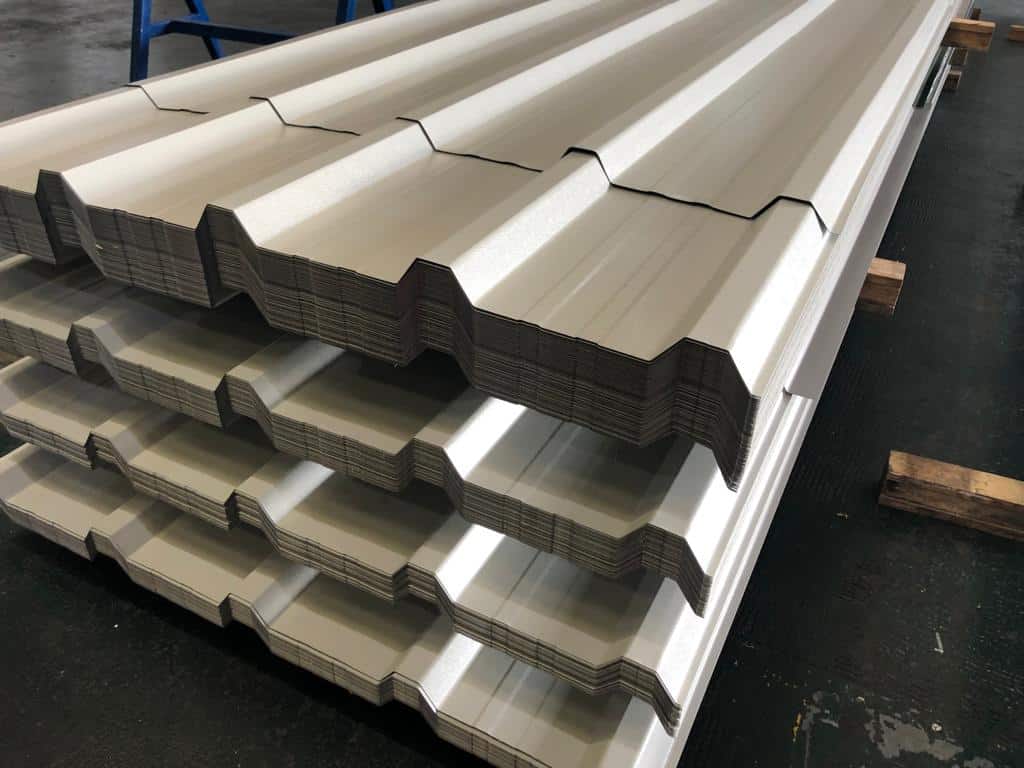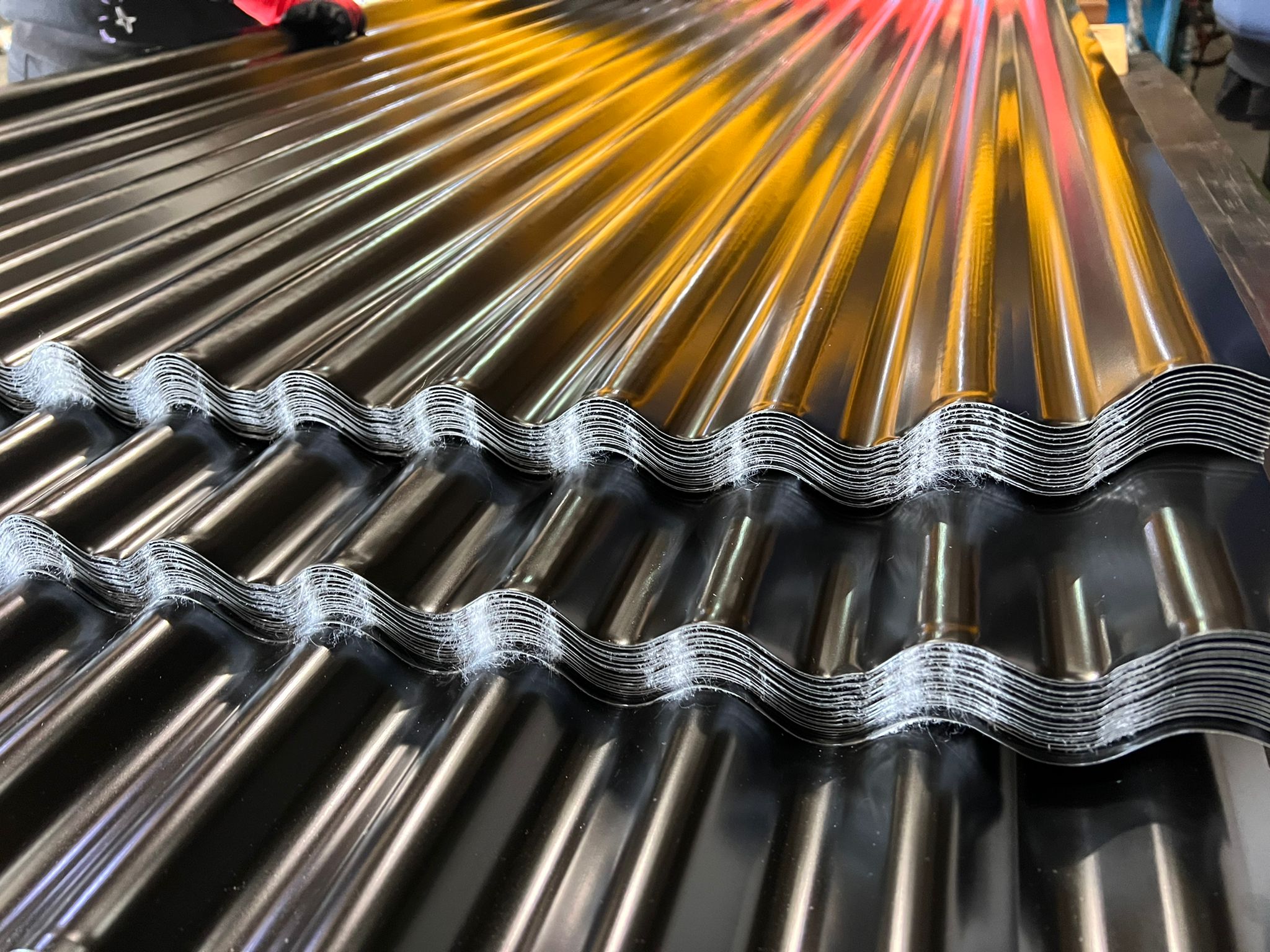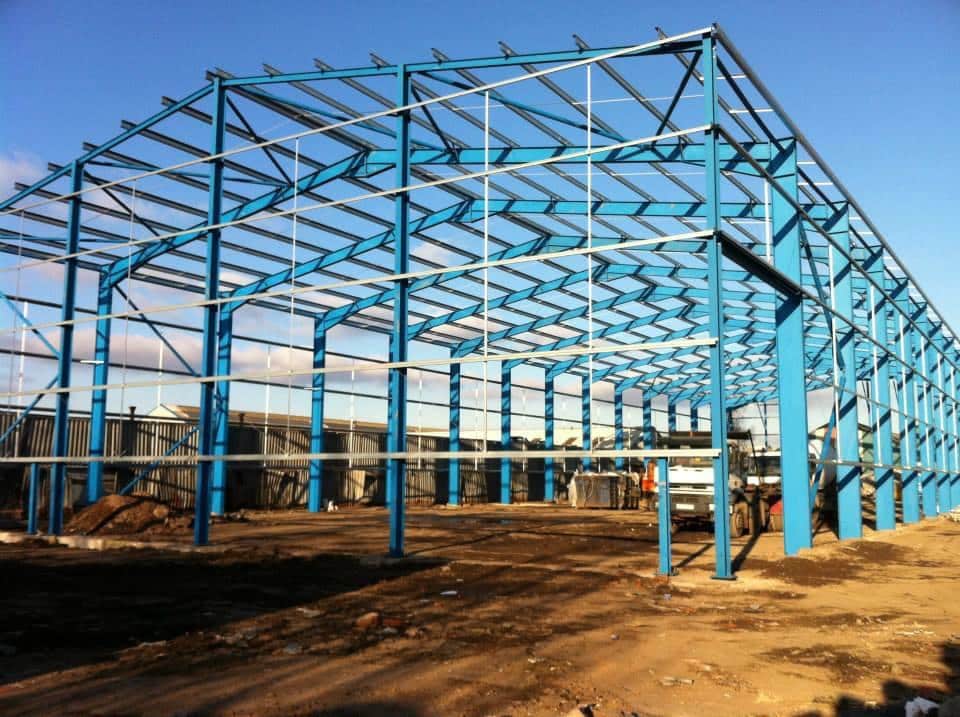

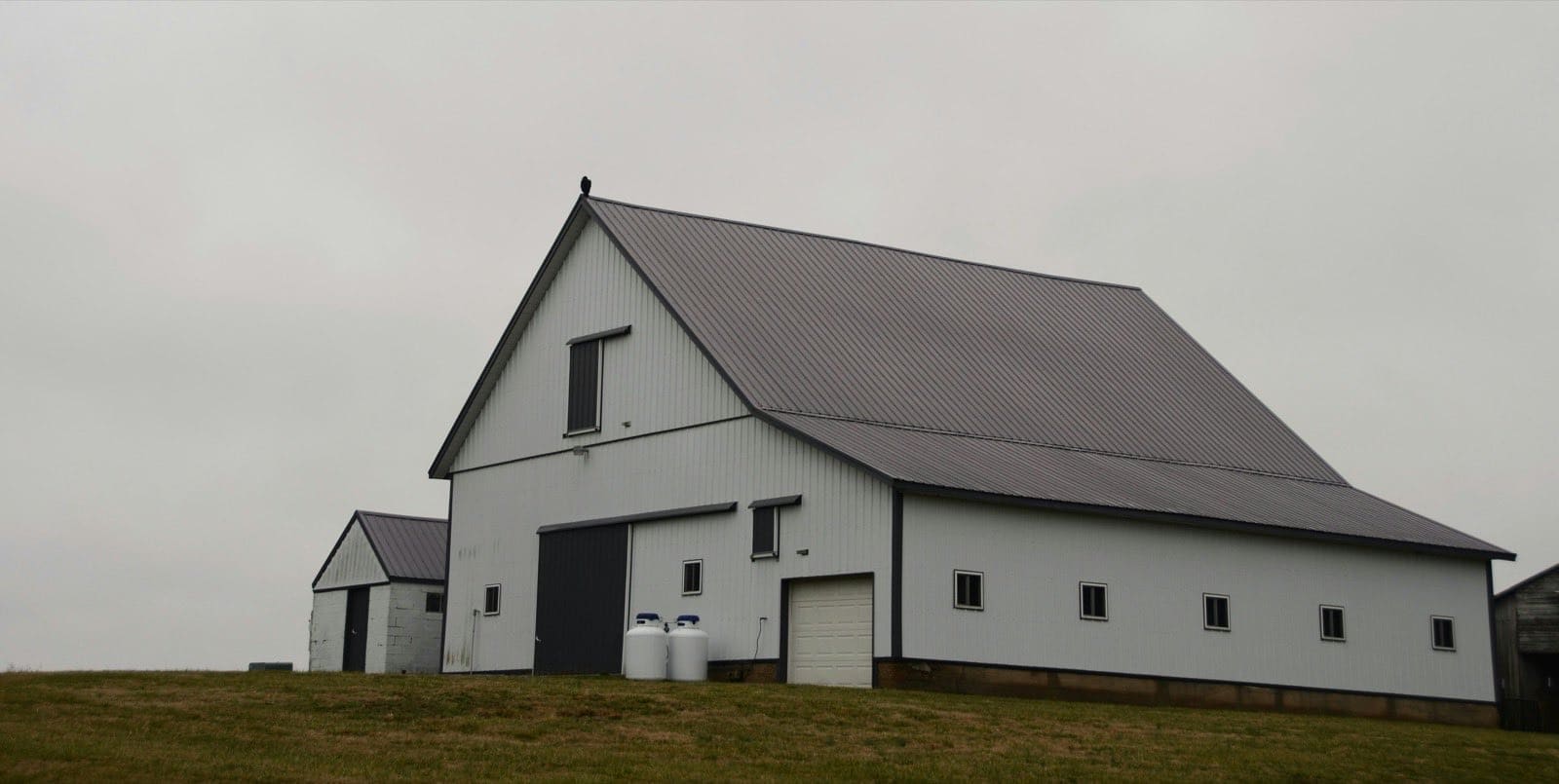
Steel roofing and cladding sheets are the trusted solution for farmers upgrading and renovating their barns, sheds, stables, outbuildings and other structures. Whether you’re renovating an ageing structure or building new, steel offers a combination of strength, reliability and practicality that suits the demands of rural life.
In this blog, we’ll explore the key benefits of using steel cladding on agricultural buildings, including its durability, weather resistance, ease of maintenance and more. If you’re considering a cladding upgrade, this guide will help you understand why steel is a smart investment for your farm.
1. Long-Term Durability That Withstands Rural Demands
Steel cladding and roof sheets offer long-term structural durability that outperforms timber and fibre cement. They won’t rot, split, snap or degrade, even in damp or dirty conditions. Galvanised and plastisol-coated sheets further resist corrosion, making them ideal for barns, grain stores and machinery sheds which are frequently exposed to moisture, animal waste and fluctuating temperatures.
For farmers investing in steel cladding for agricultural buildings, the payoff is clear: decades of reliable performance with minimal maintenance.
2. Reliable Weather Protection in All Conditions
Steel cladding is designed to perform in the UK’s unpredictable climate. Its protective coatings and interlocking profiles create a watertight seal that keeps interiors dry, even during heavy rain or high winds. For exposed farmland, metal cladding for your barns and outbuildings offers dependable resistance to rust, leaks and storm damage that other materials cannot match.
3. Minimal Maintenance for Busy Farm Schedules
Steel cladding is a practical choice for farmers who need materials that perform without constant attention. Unlike timber, which requires regular painting, sealing and pest control, steel cladding maintains its integrity with minimal effort. Its smooth, non-porous surface resists dirt and algae build-up, and a simple pressure wash once or twice a year is usually enough to keep it looking clean.
This low-maintenance profile means fewer interruptions to your work schedule and lower long-term upkeep costs, which is especially important for buildings that see daily use, such as livestock shelters or equipment stores.
4. Fast and Efficient Installation
Steel cladding is designed for quick and straightforward installation. The sheets are lightweight and easy to handle, which speeds up fitting and reduces labour costs. Many profiles are available in pre-cut lengths to suit standard building dimensions, helping to minimise waste and simplify planning. Whether installed by a contractor or as part of a DIY project, steel cladding allows agricultural buildings to be completed faster and returned to use sooner. This is particularly useful during seasonal upgrades or when replacing damaged panels on active farm sites.
5. Fire Resistance for Safer Storage
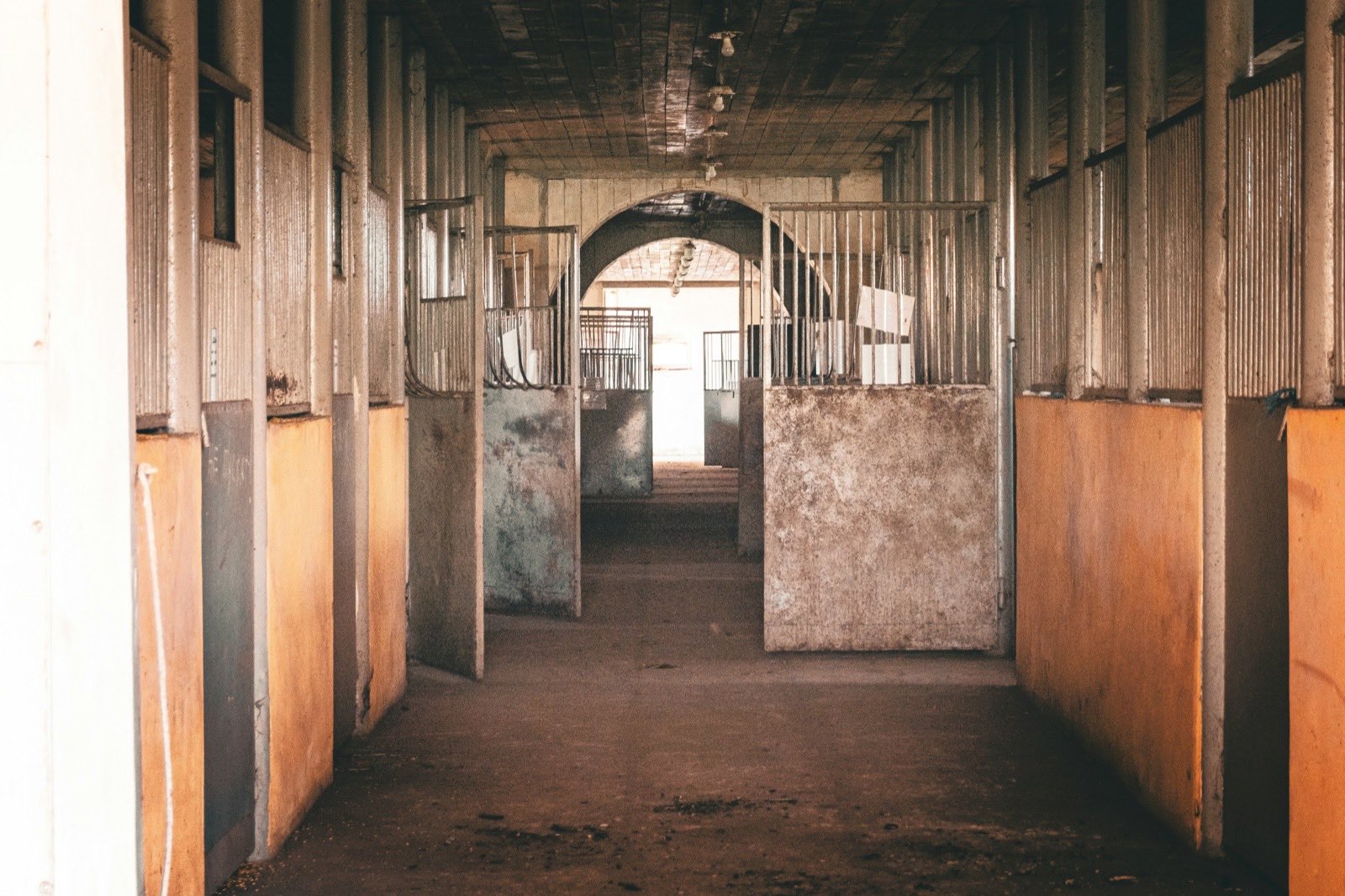
Compared to timber and plastic alternatives, steel cladding offers a higher level of fire safety. It is non-combustible and does not contribute to the spread of flames, making it suitable for buildings that store hay, fuel, fertiliser or machinery. In the event of a fire, the steel material can actually help contain damage and protect valuable assets.
Using fire-resistant materials also supports compliance with farm safety regulations and may help reduce insurance premiums. For high-risk areas, steel cladding provides peace of mind and a practical layer of protection.
6. Pest and Vermin Deterrence
Steel cladding naturally deters pests due to its smooth surface and secure fit. Unlike timber, which can be chewed or used for nesting, steel offers no entry points or shelter for rodents, birds or insects. This is especially important for buildings that store feed, bedding or equipment, where infestations can lead to contamination and financial loss. By reducing the risk of pest intrusion, steel cladding helps maintain hygiene standards and protects the contents of agricultural buildings from avoidable damage.
7. Versatile Design Options for Farm Aesthetics
Available in a wide range of colours, finishes, sizes and profiles, steel cladding and roofing sheets enable farmers to match new buildings with existing structures or create a clean, modern look. Whether opting for a traditional corrugated finish or a contemporary box profile, steel can be tailored to suit both practical needs and visual preferences.
It is suitable for both walls and roofs, enabling a consistent appearance across barns, sheds, pens, lean-tos and outbuildings. This flexibility makes steel cladding a practical choice for farms looking to balance function with presentation.
8. Cost-Effective Over the Long Term
Steel cladding delivers strong long-term value. While the initial cost may be higher than some alternatives, its durability and low maintenance reduce ongoing expenses. Fewer repairs, less frequent replacements and minimal upkeep mean lower lifetime costs.
For buildings that are in constant use or exposed to harsh conditions, steel wall cladding and roof sheets offer a reliable return on investment. Farmers looking for materials that perform without hidden costs will find steel a practical and economical choice.
Conclusion
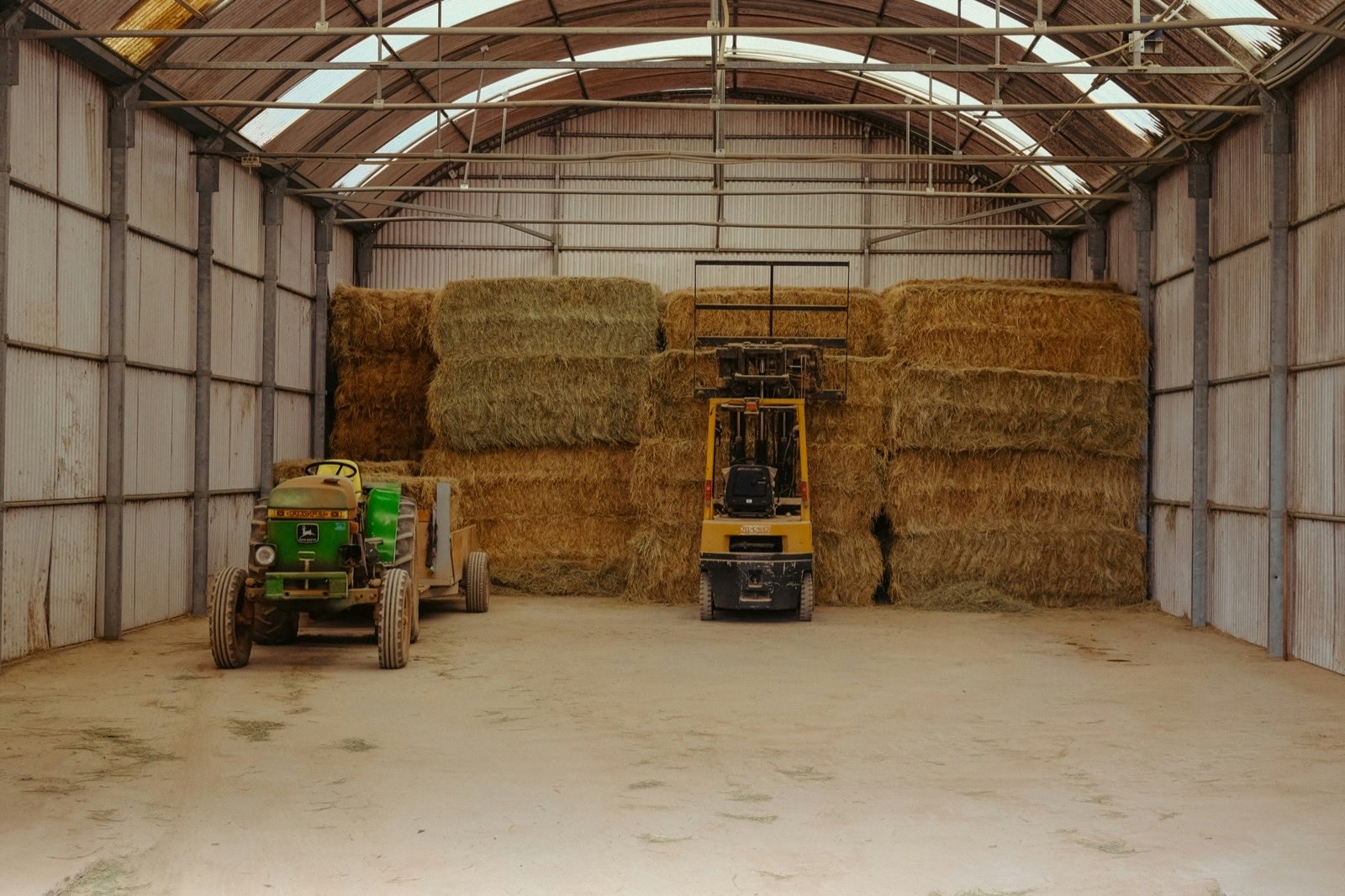
Agricultural buildings face constant pressure from the elements, heavy use and changing storage needs. Choosing materials that can stand up to these challenges is essential for long-term performance and cost control. From resisting corrosion and fire to deterring pests and reducing maintenance, steel sheets delivers practical advantages that help farmers protect their assets and streamline operations.
If you’re planning to upgrade a barn, shed or outbuilding, explore our full range of steel roofing and wall cladding sheets, or just get in touch with a member of our team. Available in a variety of profiles, colours and finishes, each option is designed to meet the demands of rural environments while enhancing the look and lifespan of your buildings.